Companies to Watch: Pride 2026 with NYC LGBTQ+ Founders
One in 14 new business owners last year identified as LGBTQ+, and the community has made a profound impact on the tech, business, and entrepreneurship industries.
According to a recent report:
LGBTQ+ founders are more likely than non-LGBTQ+ founders to cite the desire to have a positive community impact as a motivation for starting their business.
Over half of LGBTQ+ entrepreneurs use AI in regular operations, and a majority used the technology to help start their company.
And, of course, NYC stands out:
New York City’s annual Pride March is this Sunday, June 28, and is one of the largest LGBTQ+ civil rights demonstrations in the world.
Just this past week, Tech:NYC joined the NYSE alongside LGBT+ VC, Purpose, and Prism in hosting their third annual Pride Summit, featuring 150+ leaders from across tech, finance, and the arts.
But we also know that the work to support entrepreneurs who identify as LGBTQ+ remains essential.
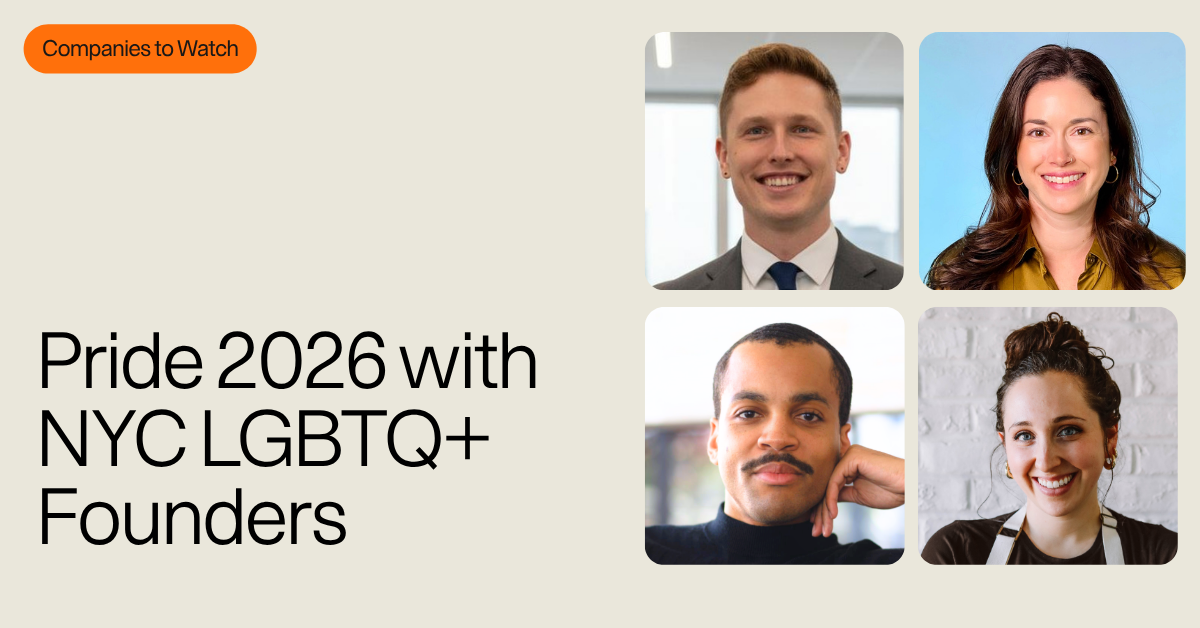
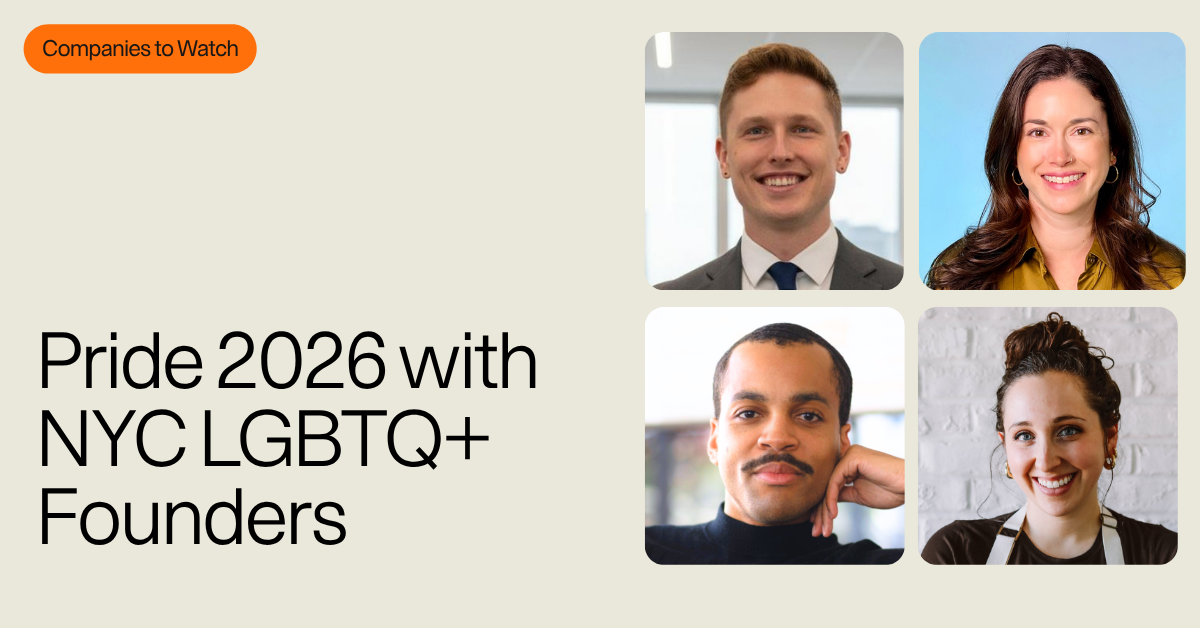
That’s why this month, we’re thrilled to spotlight four LGBTQ+ founders in NYC who are challenging the status quo and building the future of their industries.
For this edition of Companies to Watch, meet:
Tyler Herron, founder, Eclipse Scheduling
Michelle Parsons, founder, Lora
Bryan Alston, founder, MOST
Susannah Schoolman, founder, Tourlami
Eclipse Scheduling
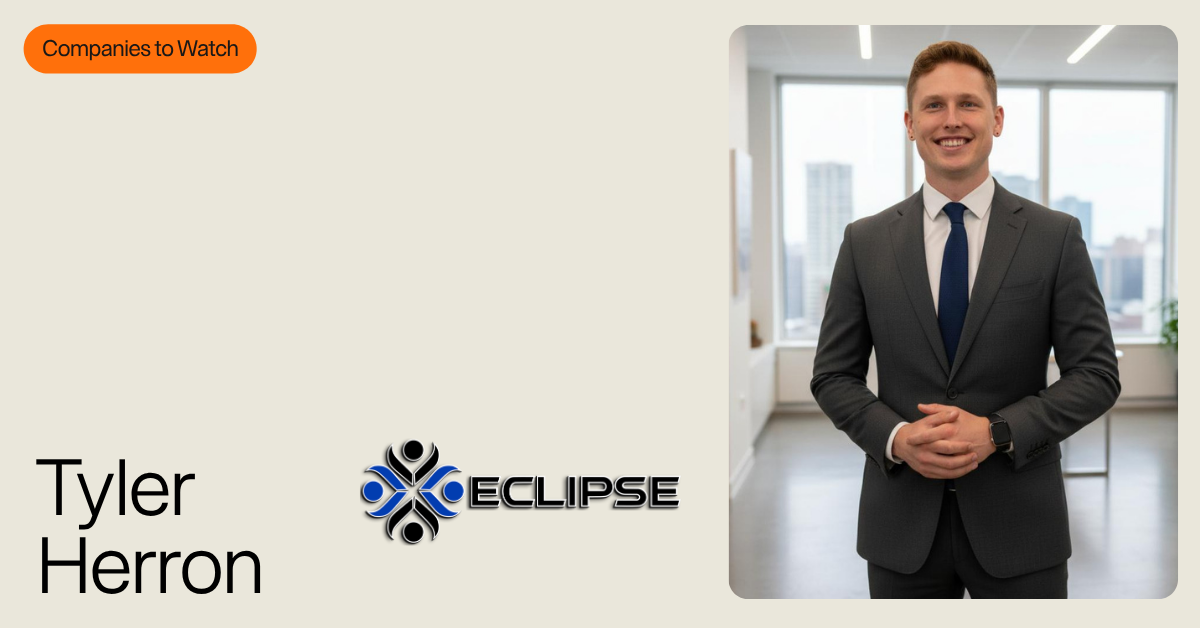
“NYC is the epitome of language and culture, so after graduating from college I couldn’t think of a better place to launch my interpreting career.”
What does your company do? What problem is it working to solve?
Eclipse Scheduling is a SaaS platform built specifically for language service providers (LSPs) — the agencies that supply interpreters and translators to hospitals, courts, schools, government agencies, and businesses. Coordinating that work is far more complex than people realize: a single request means matching the right credentialed linguist to a specific language, modality (on-site, phone, or video), time, and location, then managing confirmations, cancellations, client billing, and interpreter pay. Most LSPs still run all of this across spreadsheets, email, and a patchwork of disconnected tools that break down as they grow.
We’re really solving two problems. The first is fragmentation. Eclipse brings the entire operation into one configurable system — scheduling, linguist pairing, credential and compliance tracking, billing schedules, and provider payments — replacing the manual coordination that eats up coordinator time and creates errors, so agencies can serve more clients and fulfill more requests without adding headcount.
The second problem is service quality. Legacy systems don’t just slow agencies down; they lack the data and workflows needed to properly pair a linguist with a service consumer or service request, which puts client satisfaction and service outcomes at risk. Eclipse closes that gap. We maintain the most robust interpreter profiles in the industry alongside a record of each consumer's preferences. That combination lets a coordinator comb through thousands of candidates and pinpoint the ideal linguist for a given service consumer, not just someone who speaks the same language. In language services, the right match is everything: the more a linguist understands a patient's or client's background and needs, the better the service outcome. Eclipse is what makes that level of precision possible at scale.
A question we like to ask every founder — why New York?
NYC is the epitome of language and culture, so after graduating from college I couldn’t think of a better place to launch my interpreting career. What I didn’t realize was that working in a city where so many LSPs are headquartered would give me a direct line of sight into their operational challenges — and that perspective is ultimately what inspired Eclipse Scheduling. I guess you could say that I didn’t choose New York to launch my startup so much as New York chose me.
What has surprised you most about selling software into the language services industry?
Just how nuanced each company’s operational needs are. No two clients are alike, which is exactly what pushed us to make our platform so deeply customizable. I’ve also loved getting to know the founders behind these agencies. Many local and regional LSPs were started by linguists who made it their mission to improve language access in their own communities, and hearing about the work they do — interpreting for non-profits, NGOs, the UN — is a real privilege. Knowing that Eclipse helps them do that work more effectively is one of the most rewarding parts of my job.
How do you measure ROI for a customer? Fewer missed appointments, faster fill rates, coordinator time saved, interpreter utilization, billing accuracy, or something else?
A few ways. Faster fulfillment turnarounds and higher fulfillment rates are the headline metrics, but the bigger story is efficiency across the whole organization. Eclipse saves time for coordinators, AP, AR, compliance, and HR alike, and the clearest signal is how many accounts a single employee can manage. When one coordinator can confidently handle more accounts and more bookings, that's ROI you can feel across the entire P&L.
How can the tech ecosystem better support LGBTQ+ founders through their startup journey?
A few things stand out to me:
Mentorship: Many LGBTQ+ founders don’t have ready access to mentors who’ve walked a similar path, and that absence is felt most acutely early on, when guidance matters most. The ecosystem can close that gap by investing in mentorship pipelines built for this community — I personally have two mentors who've had a huge impact on my journey, and I’d point any LGBTQ+ founder toward StartOut, which does fantastic work connecting queer founders with mentors and community.
Funding: The capital gap here is real and underappreciated. Only 0.5% of the $2.1 trillion in U.S. startup funding raised between 2000 and 2022 went to LGBTQ+ founders, even though roughly 7% of the population identified as LGBTQ+. What makes that especially striking is that the same research found LGBTQ+ founders created 36% more jobs, 114% more patents, and 44% more exits — despite raising 16% less capital than the average founder. The talent and returns are clearly there; the capital just isn’t flowing proportionately. Investors and funds intentionally sourcing LGBTQ+ founders is the most direct way to fix it.
Co-founding: Finding the right co-founder is hard for anyone, but LGBTQ+ founders often have smaller networks to draw from when looking for a partner who shares their passion and vision. The ecosystem can help by creating the spaces and introductions that make those matches happen.
As a founder, what’s your self-care routine to recharge while still being heads down building a company?
For me it’s all about building healthy rituals into the day. I start every morning with zen meditation and mushroom coffee before I dive into my inbox, I close out every work shift with a 45-minute workout, and I make a point of watching something that makes me laugh every day — usually standup comedy or drag. It’s easy for a startup to become a life obsession, so it’s important to build in time that focuses on your happiness and wellbeing.
What’s your favorite way to celebrate Pride Month?
I love heading to Cubbyhole in the West Village to socialize, and Pieces — also in the West Village — for the best drag shows around. And of course you can’t miss the Pride parade. A lesser-known tip: Off-Off-Broadway puts out a lot of great productions during Pride, and depending on the mood you're after, they’re sure to make you laugh or cry.
Time for some New York-themed rapid fire questions — where is your favorite place to grab a slice of pizza in New York?
Rosa Pizza in Harlem.
Where is your favorite coffee shop in New York?
The Monkey Cup in Harlem.
Do you have a favorite spot to escape the noise of the city?
Village Zendo in SoHo.
What’s one piece of advice — that you’ve shared or was shared with you — on building a startup in New York City?
Your biggest challenges as a startup are usually rooted in whatever you understand least about your own business. Instead of avoiding that confusion, lean into it — that’s where you’ll find the disconnected pieces you need to fix, and often the opportunities you didn't know were there.
It sounds like a fortune cookie, but when properly applied, it works!
Lora
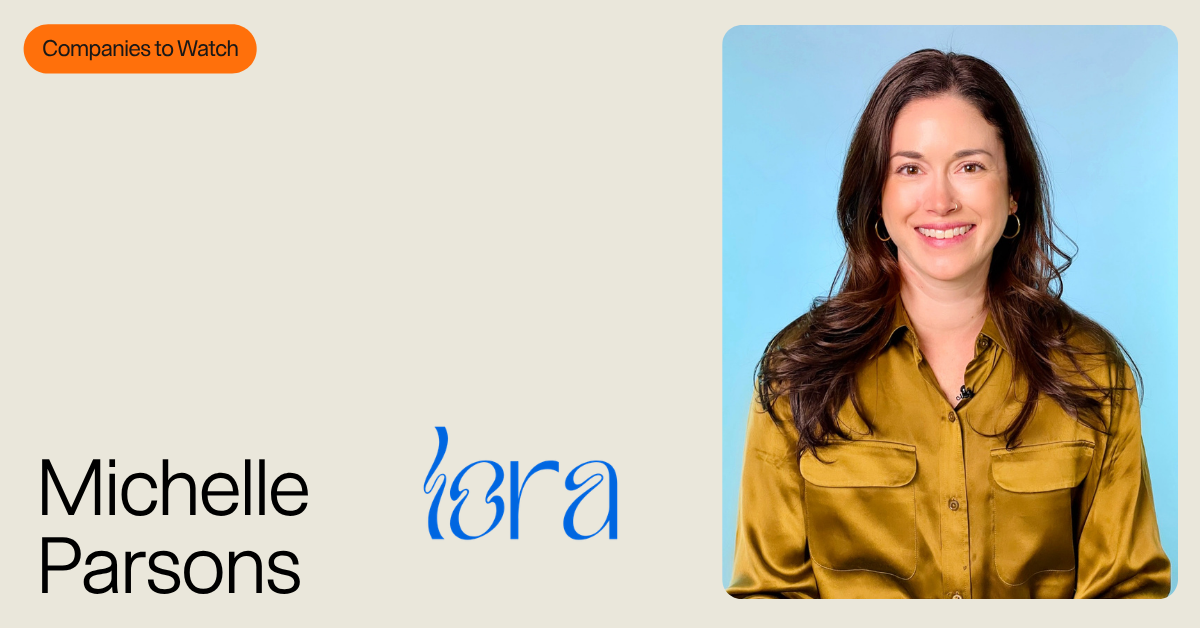
“NYC is a grind, but we’re all out here grinding together, and more importantly, having fun while doing it.”
What does your company do? What problem is it working to solve?
Lora is an astrology and self-discovery platform helping people better understand themselves, their relationships, and key life moments they are moving through. We’re solving the problem that most personal growth tools feel generic, clinical, or disconnected from people’s real lives.
Lora combines astrology, emotional insight, and conversational AI to make self-reflection feel personal, accessible, and daily. Our goal is to give people a more intuitive way to navigate love, friendship, identity, timing, and change.
A question we like to ask every founder — why New York?
NYC is at the epicenter of literally everything. Culture moves first in NYC, which matters when you are building a brand people don’t just use, but feel connected to. Specifically for a product like Lora, our audience is perfectly encapsulated by NYC. People come to NYC with bold aspirations and dreams, but NYC is also a place that tests and pushes people. What better place to build a product built on better understanding yourself through every season of life!
Three to five years from now, what do you want Lora to be known for: the best astrology product, the trusted marketplace for spiritual practitioners, a daily self-discovery habit, or something broader?
I want Lora to be known as the defining self-discovery and social platform for a new generation. We’ve used astrology as the entry point because it is already a daily language people use to understand themselves, their relationships, and their timing. But the bigger opportunity is not just to build the best astrology product. It is to make Lora the place people return to every day for personal insight, emotional clarity, relationship guidance, spiritual support, and ultimately real, authentic connection. Over time, that can expand into a trusted ecosystem of tools, content, community, and practitioners, but the core brand promise is helping people understand themselves and move through life with more confidence.
If Lora works, what behavior changes in the user’s life? What’s the “before and after” you’re trying to create?
Today people are often pulled into shallow forms of connection: chasing trends, sharing curated glimpses of their lives, and mistaking constant engagement for intimacy. Modern social and dating apps reward performance more than depth. Lora flips that script. We believe deeper connection with others starts with deeper connection to yourself. After Lora, users build a daily practice of self-understanding, emotional clarity, and reflection, so they can show up in their relationships with more honesty, intention, and openness. Lora becomes like checking the weather, but instead of rain or shine, it’s your emotional weather report.
How can the tech ecosystem better support LGBTQ+ founders through their startup journey?
As an LGBTQ+ founder, support can’t just mean celebrating queer founders during Pride or adding us to panels. It means backing us with capital, mentorship, networks, and trust throughout the company-building journey.
LGBTQ+ founders are often building from lived insight into identity, belonging, safety, and connection, but those insights are too often treated as niche instead of universal. The tech ecosystem can better support us by taking our markets seriously, opening investor and operator networks earlier, and creating spaces where founders don’t have to separate who they are from what they are building.
As a founder, what’s your self-care routine to recharge while still being heads down building a company?
First and foremost, it’s having my people: my partner, my friends, and the people I trust enough to be fully raw and vulnerable with. The people who let me fall apart, laugh until I can’t breathe, and remember who I am outside of building a company. Beyond that, I try to cook and take baths whenever I can. Weekends are especially sacred. I make it a point to go on long walks with my dog, explore new pockets of the city, and give myself space to feel like a person again. Also, a really nice night time face cream.
What’s your favorite way to celebrate Pride Month?
NYC Pride is an electric time. I love the big celebratory moments, parties, and the parade, but I also really value the simple ones too: gathering with friends for more intimate dinners or celebrations and supporting and amplifying queer-owned businesses and artists. As an LGBTQ+ founder, Pride also reminds me that building with identity, care, and community at the center is powerful and always wins.
Time for some New York-themed rapid fire questions — where is your favorite place to grab a slice of pizza in New York?
Sal and Carmines UWS (IYKYK).
Where is your favorite coffee shop in New York?
Devoicion in Williamsburg.
Do you have a favorite spot to escape the noise of the city?
Greenpoint inlet park.
What’s one piece of advice — that you’ve shared or was shared with you — on building a startup in New York City?
Don’t be afraid to ask for help. One thing I’ve found in the NYC tech ecosystem is that people are genuinely willing to show up for each other. They’ll share what worked and what didn’t, help you think through a hairy problem, or introduce you to your next hire.
When I started Lora, it was literally just me and a vague idea. The first thing I did was lean into the community. People I had never met became consistent sounding boards, collaborators, and friends. People 10 years younger than me taught me new tricks about social and distribution. NYC is a grind, but we’re all out here grinding together, and more importantly, having fun while doing it.
MOST
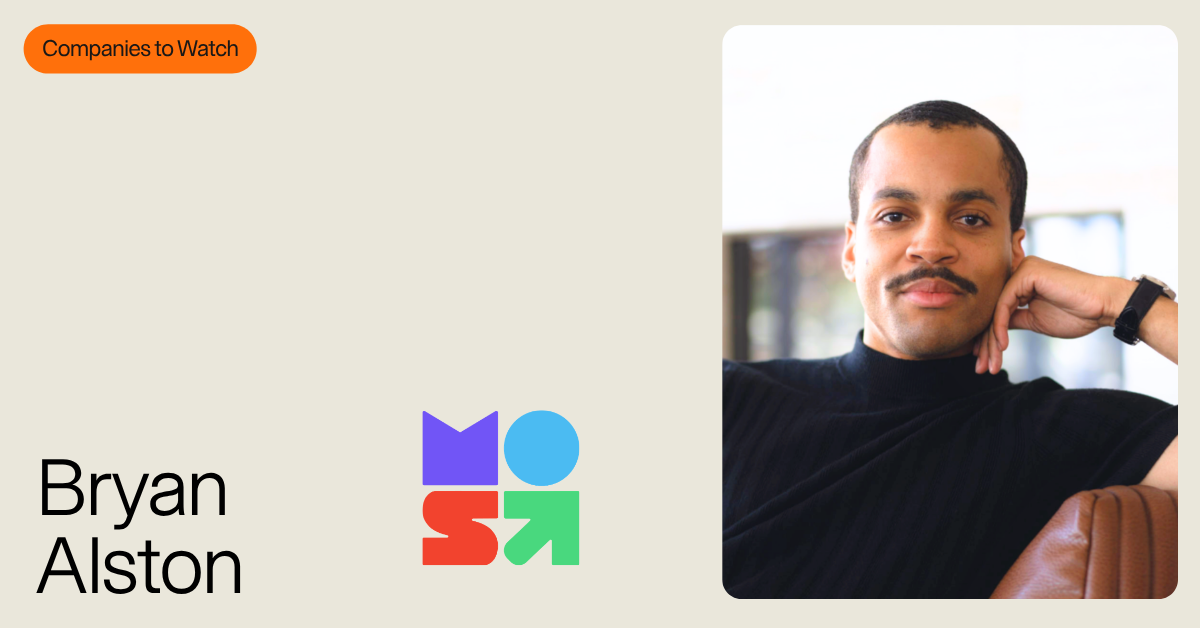
“New York is where ambitious people come to build consequential things.”
What does your company do? What problem is it working to solve?
MOST helps consumer brands discover profitable customer opportunities hidden inside their existing data.
Many companies know a great deal about their current customers but surprisingly little about the customers they could be winning next. I call this the “Unknown Customer Problem” and it’s a major issue I’ve encountered across dozens of companies over the last 15 years.
We combine patent-pending software and operator judgment to identify overlooked customer segments, positioning opportunities, marketing channels, and creative ideas, then turn them into prioritized growth tests. Our goal isn’t to generate more reports. It’s to help brands make better decisions and acquire more customers.
A question we like to ask every founder — why New York?
New York is where ambitious people come to build consequential things.
As a founder, I relocated here from Seattle to be surrounded by operators, investors, creators, and decision-makers who are actively shaping industries rather than simply participating in them. New York sits at the intersection of technology, media, consumer brands, and culture — all areas that influence how MOST thinks about growth.
The city rewards curiosity, speed, and execution, which are values deeply embedded in how we build our company.
How do you help brands distinguish between a promising growth opportunity and a random data pattern that will not actually drive results?
Everything starts with the customer.
Many of the best growth opportunities initially look like anomalies — a surprising behavior, an unexpected audience, or a strange conversion pattern. Most teams ignore those signals. I investigate them.
Breakthrough marketing is closer to detective work than most people realize. The goal isn’t finding more patterns; it’s finding patterns that reveal something meaningful about customer behavior. If we can explain why something is happening, who it matters to, and how it could drive growth, it becomes a test. If not, it’s just an interesting chart.
What is the biggest mistake consumer brands make when trying to interpret their marketing data?
Many brands mistake measurement for understanding.
Modern marketing teams can see more data than ever before, yet often know less about where future growth will come from. Attribution tools tend to prioritize what is easiest to measure rather than what is most important to understand. As a result, brands repeatedly optimize the same audiences, channels, and creative patterns while overlooking entirely new sources of demand.
Data is only valuable if it improves decisions. Otherwise, it’s just a more sophisticated way to document stagnation.
If MOST works really well for a brand, what changes inside that company’s marketing team over time?
The biggest change is confidence.
Instead of debating opinions or endlessly optimizing the same playbook, teams develop a repeatable process for identifying and testing new growth opportunities. Over time, they become more comfortable placing thoughtful, evidence-backed bets that competitors avoid.
At MOST, we call this Return on Bravery™: the revenue growth created when companies act on opportunities that are visible in the data but not yet obvious to the market. The result is faster decision-making, better prioritization, and a stronger culture of experimentation.
A secondary but equally important shift is that marketing stops being viewed primarily as a cost center to optimize and starts being viewed as a strategic function capable of creating demand, shaping markets, and driving growth.
How can the tech ecosystem better support LGBTQ+ founders through their startup journey?
Representation matters, but access matters more.
The most valuable support isn’t symbolic — it’s making sure LGBTQ+ founders have access to the same customers, investors, mentors, and strategic networks that help great companies succeed. Entrepreneurship is already an uncertain path, and founders shouldn’t have to navigate additional barriers to opportunity.
The strongest ecosystems create environments where talented people can build ambitious companies and be evaluated on the quality of what they're creating.
What’s your favorite way to celebrate Pride Month?
This is my first Pride Month as a New York resident, and it also happens to fall on my birthday weekend. I’ll be spending it the same way I spend most of my favorite moments: surrounded by friends, exploring the city, and saying yes to a little more adventure than usual.
Time for some New York-themed rapid fire questions — where is your favorite place to grab a slice of pizza in New York?
I know this is probably blasphemy, but I can't eat dairy, so I haven’t had a proper New York slice since college. Finding the city’s best vegan cheese + real pepperoni slice is still one of the items on my New York bucket list.
Where is your favorite coffee shop in New York?
Le Café is probably my favorite so far. The espresso is excellent — and that’s coming from someone who moved here from Seattle — but what really stands out is the experience. The founder personally curates the music playlist, and I always leave with a few new songs saved to my phone.
As a marketer, I also appreciate that they still use a physical loyalty card. It's a small detail, but it makes the experience feel more intentional and memorable.
Do you have a favorite spot to escape the noise of the city?
Fort Greene Park.
It’s one of my favorite places to think, reflect, people-watch, and recharge. New York moves fast, and I’ve found that having a place where you can briefly step outside that momentum is incredibly valuable.
What’s one piece of advice — that you’ve shared or was shared with you — on building a startup in New York City?
Move toward momentum.
New York has an unusual ability to compress time because the right introduction, conversation, or event can change the trajectory of your company in a single afternoon. The founders who seem to make the most progress are usually the ones putting themselves in the path of opportunity as often as possible.
I firmly believe that increasing the likelihood of serendipity is one of the most undervalued ways a founder can spend their time.
Tourlami
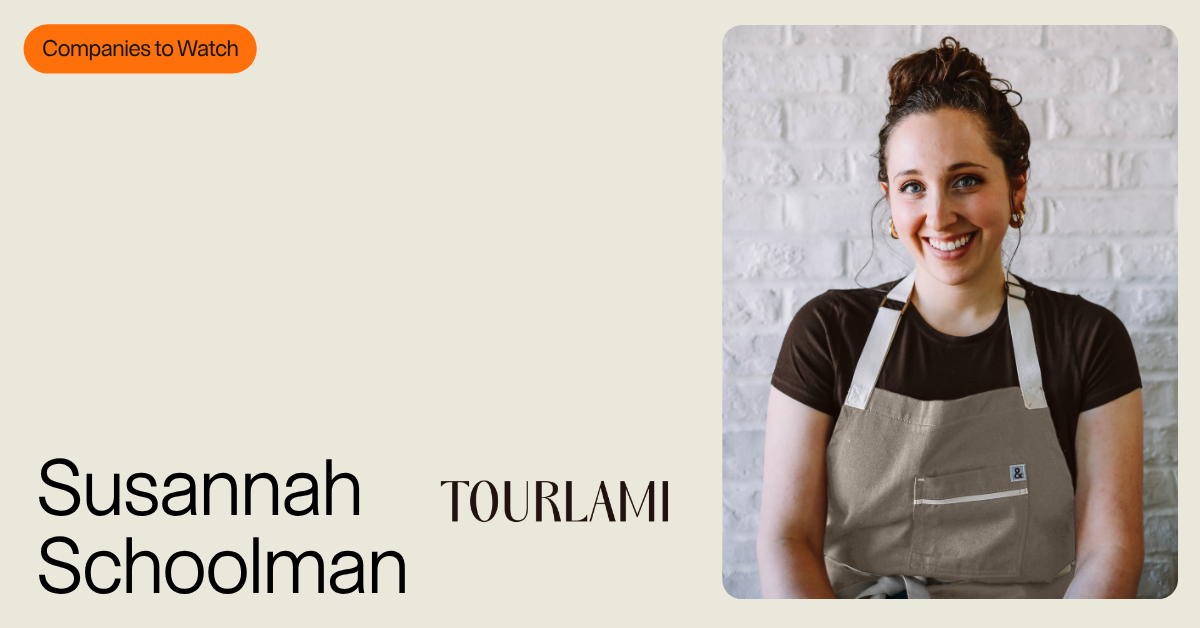
“In a city this big, showing up consistently is its own advantage.”
What does your company do? What problem is it working to solve?
Tourlami makes plant-based butter and frozen ready-to-bake pastries for professional kitchens. The problem we solve is performance. Plant-based options are something diners expect now, but the ingredients available to chefs fall apart under real kitchen conditions. Our products match the taste, function, and consistency chefs already expect from dairy, so they can serve plant-based without compromising what comes out of their kitchen. We started with the butter, our All-Purpose and Premium, and built from there.
A question we like to ask every founder — why New York?
I started my pastry career here, so I have a strong network of chefs and pastry chefs running kitchens across all five boroughs. They were the ones who gave me honest feedback during my R&D stage, and a lot of them became my first customers. I also grew up just outside the city, so I had my friends, family, and chef community around me the whole time. For a founder, that kind of built-in support and a direct line to the people you’re building for is everything.
When you describe Tourlami as a plant-based ingredients company, what is the actual technology behind the product?
The technology is in our formulation. Most plant-based butters use one all-purpose formula that tries to do everything, which means it does nothing particularly well. We developed two distinct fat systems instead, each engineered for a specific job in the kitchen. Behind the brand, technology is also what lets us stay lean. We use AI and the right tools to run the day to day, so a small team can do the work of a much bigger one and put its energy where it matters, into the product and our customers.
What about Tourlami’s technology, market opportunity, or long-term vision made it a fit for venture backing, rather than a more traditional specialty food business?
Two things: The market is enormous, because plant-based has moved from a niche request to a baseline expectation in foodservice, and the ingredients available can't meet it. That makes every restaurant, hotel, bakery, and institution a potential customer. Once a kitchen builds recipes and trains its team around Tourlami, we become infrastructure, the same way they never think twice about their flour supplier.
The long-term vision is to be the plant-based ingredient system professional kitchens run on, from foundational ingredients like our butters to frozen ready-to-bake pastries.
What does scale look like for Tourlami? As demand grows, what are the hardest technical or operational constraints to solve without compromising performance?
We’re scaling right now with the launch of our frozen ready-to-bake chocolate chip cookie. The hardest part right now is inventory planning. We have to keep enough product in stock ahead of a busy Q4 without tying up capacity and cash we'll need elsewhere.
How can the tech ecosystem better support LGBTQ+ founders through their startup journey?
Practical education, specifically around tools that help small teams do more with less. Most LGBTQ+ founders I know are running lean, wearing every hat, and the thing that would actually move the needle is free, hands-on training on how to use AI to take the busywork off our plates. When you're not buried in the day to day, you can put that time toward growth.
What’s your favorite way to celebrate Pride Month?
Going to Jacob Riis on Pride weekend.
Time for some New York-themed rapid fire questions — if Tourlami were a New York neighborhood, which one would it be and why?
Red Hook. It’s industrial, full of independent makers and artists, and it has that if-you-know-you-know quality. No flashy marketing, no trying too hard, it just delivers everything you want once you find it.
What is the most underrated NYC bakery or pastry order?
The coconut mochi from Ceremonia Bakeshop. It’s so, so good. And vegan!
Do you have a favorite spot to escape the noise of the city?
Surfing in the Rockaways. I still cannot believe I can wake up, drive to the beach, go surfing (and see the occasional dolphin!), then head to work. It's one of my favorite places.
What’s one piece of advice — that you’ve shared or was shared with you — on building a startup in New York City?
Go to the events and the meetups, even when you don’t feel like it. They’re awkward at first, and you’ll wonder why you came. But the more you show up, the more people start to recognize you, and that recognition is what turns into real relationships, customers, and introductions over time. In a city this big, showing up consistently is its own advantage.