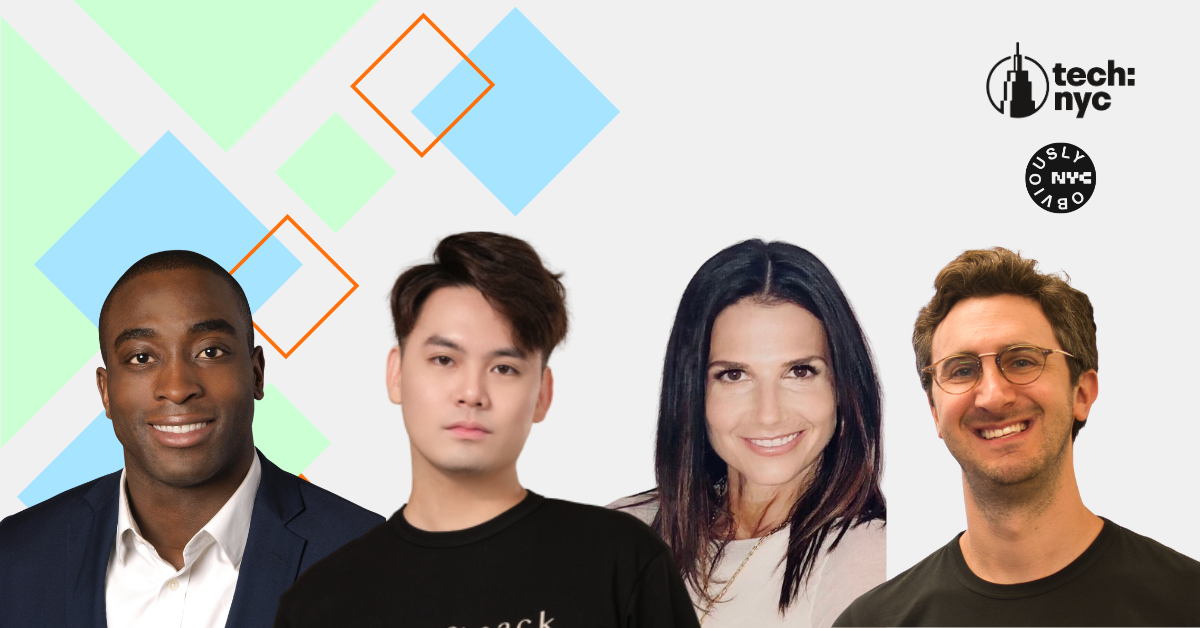
Companies to Watch: NYC Startups Powering Modern Gifting
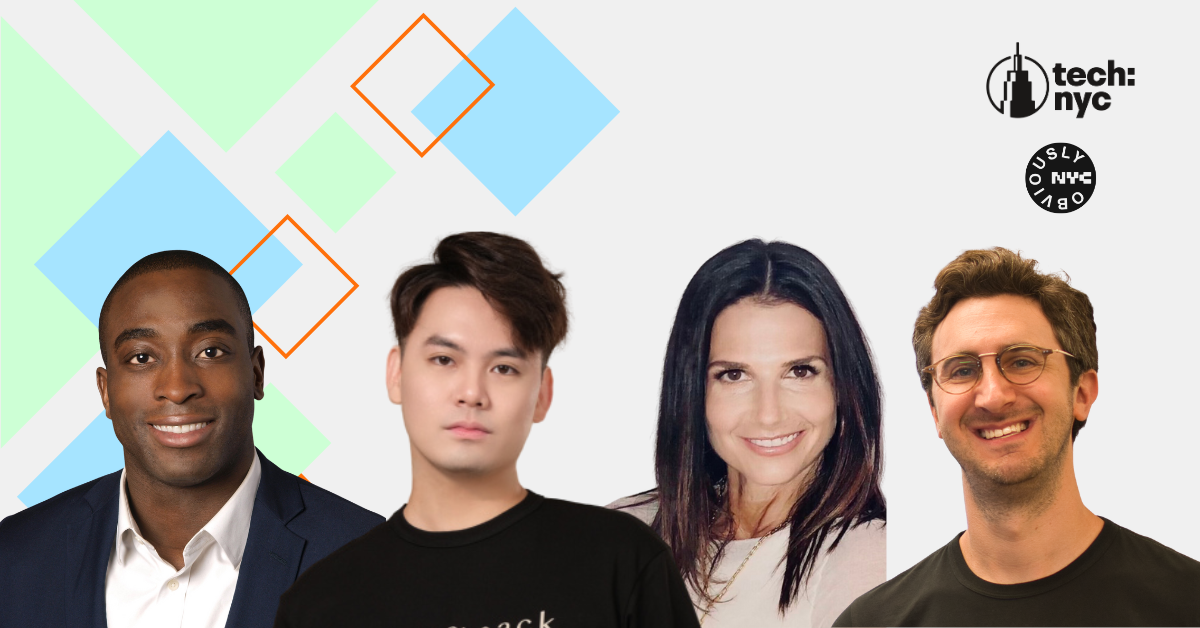
Santa Claus who?
It’s the holiday season, which for many is gift-giving (and gift-buying) season. And many of those gifters are increasingly turning to tech for assistance.
In 2025, e-commerce will account for 20.5% of worldwide retail sales, and is projected to reach 22.5% by 2028.
E-commerce is one of the fastest-growing retail subsectors in NYC, with the city now home to 300+ ecom startups.
From curated experiences to video-first commerce and corporate gifting platforms, NYC founders are rethinking how gifts are discovered, shared, and remembered.
Just in time for the holidays, we spoke with four NYC-based founders building gifting, e-commerce, and experiential access platforms that are redefining how people give, buy, and sell.
For this edition of Companies to Watch, meet:
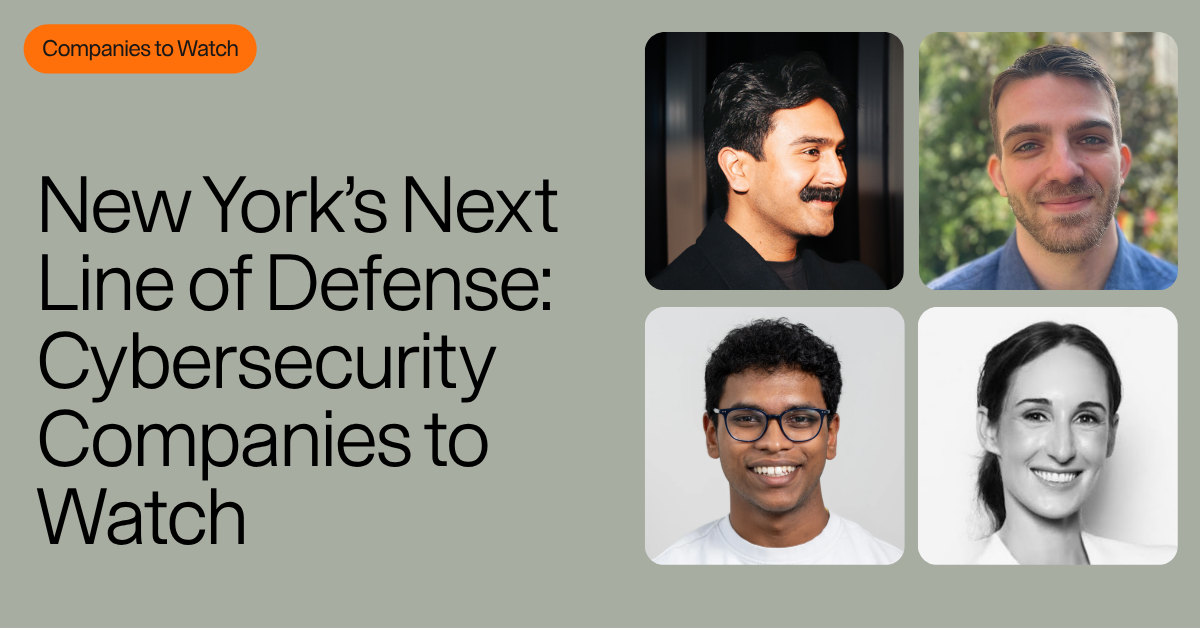
Emeka Kanu (founder of ANI)
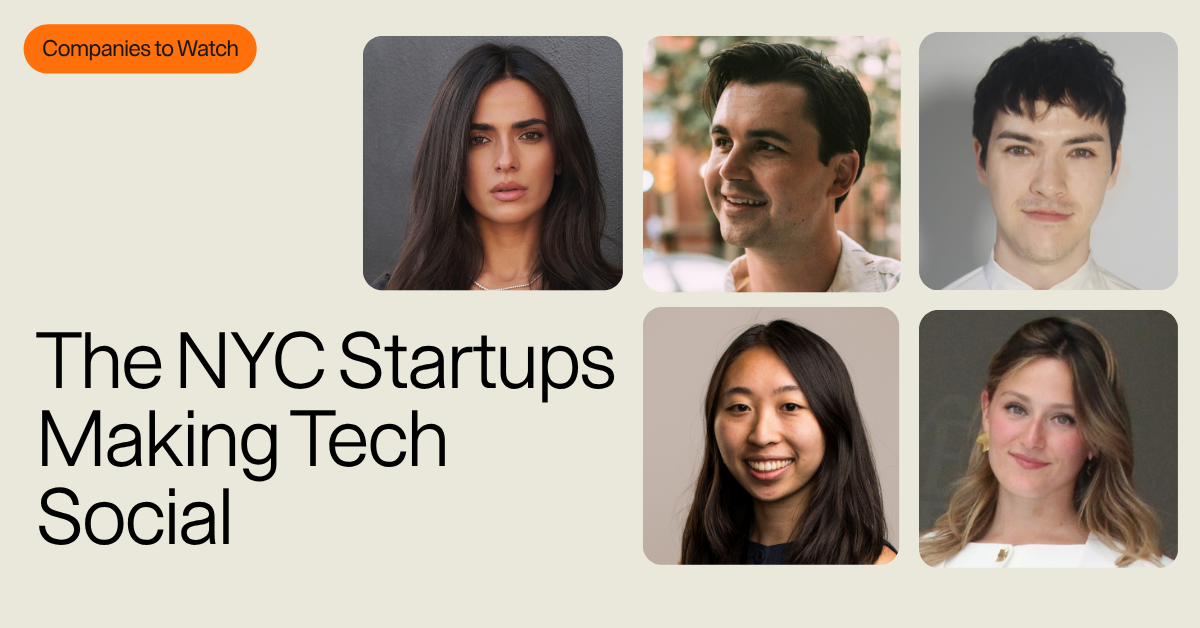
Archer Chiang (founder of Giftpack)
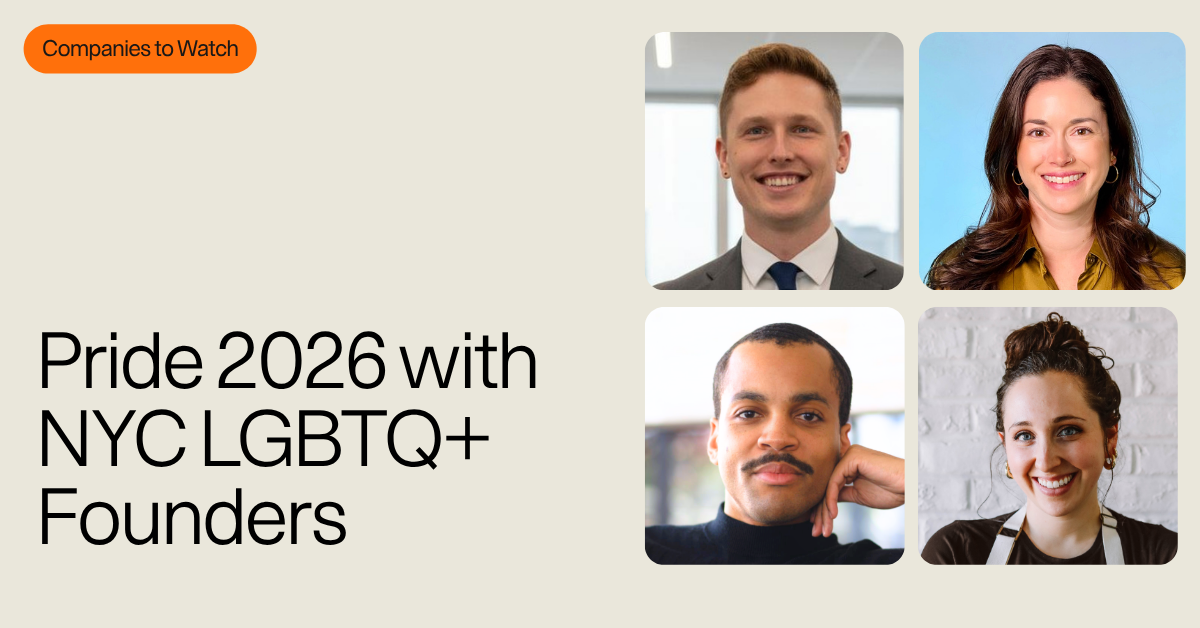
Abra Potkin (founder of VideoShops)
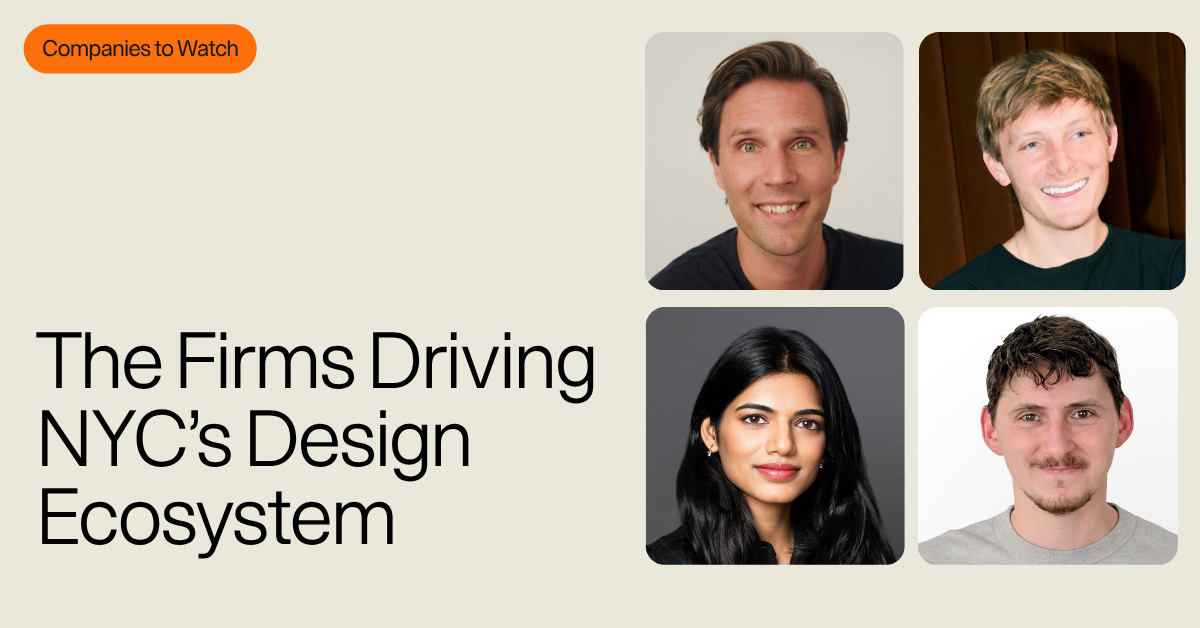
Alex Ingram (founder of Zest)
ANI
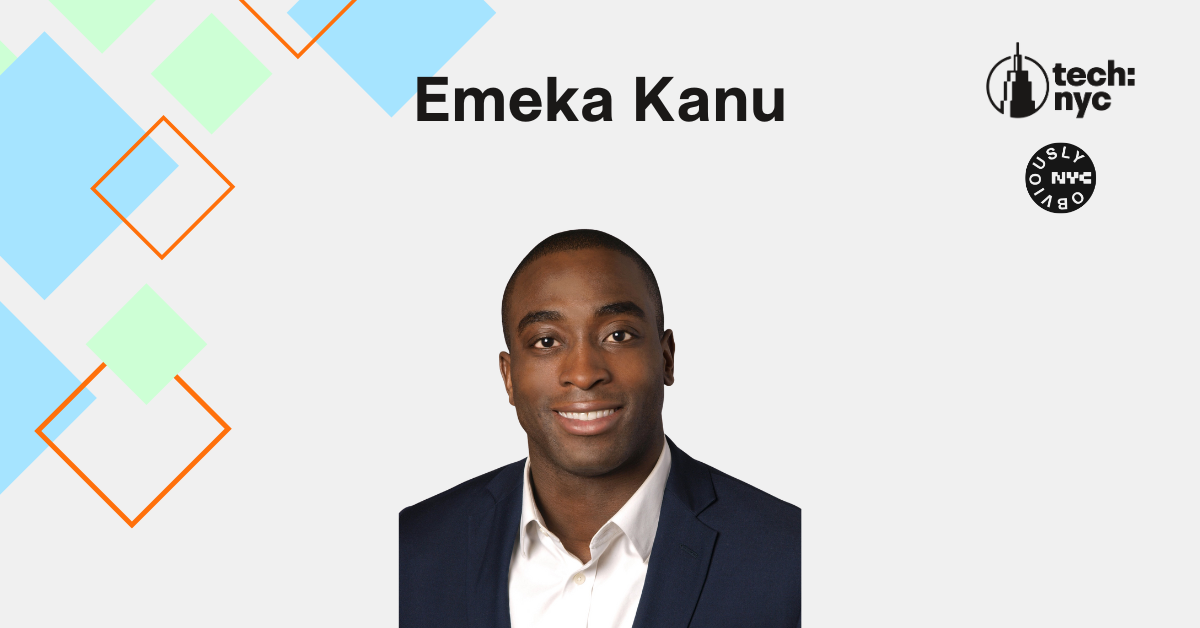
“We live in a city of 8 million people with millions visiting daily. It’s integral to get out there, meet people, and build your formal and informal networks to create the “prepared luck” that’s needed to succeed.”
What does your company do? What problem is it working to solve?
We’ve built an experiential access platform that helps companies better support their employees and engage their clients through the power of experience, such as Broadway shows, museums, sports, urban gardens, wellness venues, and bespoke events. The ANI platform enables professional organizations to better attract, retain, and uplift talent and close more deals with key clients; impacting the bottom line.
A question we like to ask every founder — why New York?
It was simple for me. I’m from the Bronx, New York, and was working for Google in their Chelsea office when I developed the concept of ANI. Fundamentally, NYC was the perfect environment to launch ANI, given its robust arts, culture, sports, and experiential ecosystems, the millions of professionals eager to live more holistic lives, and the thousands of employers seeking top talent.
How do you measure the impact of ANI on a company’s culture, employee engagement, well-being, or retention? What metrics or feedback do you track?
For us, it’s pretty simple. We track platform signups, bookings, and overall utilization religiously. With an ~85% annual utilization rate for ANI Plus-tier clients, compared to the industry standard of 30-50%, we feel we’re just getting started making an impact for our core clients.
We’re still too early-stage to definitively state our long-term retention impact, but we’ve seen an increase in co-worker joint/group bookings, which we tie directly to corporate culture, since teams are connecting through our offering.
As for our individual users, we get our best ideas directly from their feedback. They’re essentially our product development team.
Looking ahead 3-5 years, how do you envision ANI evolving? Are there new areas you’re particularly excited about?
Before getting to our plans for 2029 and beyond, we’re looking forward to the platform’s continued development of our existing categories and expansion into new experience types.
During Q1, we’re expanding our sports and live experiences offering through a new professional sports league partnership and launching our “Experiential Wellness” category, which is perfectly aligned with the professionals’ “Feel Good, Live Well” ethos.
In the next 3-5 years, we’re genuinely excited for two eventualities: international expansion and ecosystem buildout. The first is self-explanatory, and although I can’t go into it here, we plan to enable users to access all their experiential needs through the ANI.
For a company evaluating ANI for the first time: what are common misconceptions or hesitations, and how do you address them when convincing HR/people-ops leadership to adopt the platform?
The first common misconception is that small organizations can’t afford a corporate platform that replicates Google/Goldman-style workforce benefits. Nothing could be further from the truth, given our flexible cost structure and tier system.
The second is that employees have stagnant, predefined interests. An HR leader hesitantly piloted ANI, believing her employees would be more interested in our, at the time, limited sports offering more than the arts and culture offering. During the pilot, her employees not only attended Broadway shows but also rated them highly. We’ve learned that making an option more accessible and providing enhanced information can shape preferences and behavior.
Time for some New York-themed rapid fire questions — where’s your favorite place to grab a slice of pizza in New York?
Price Street Pizza; gotta get the Houston Jalepeno, Fancy Prince, or Boozy Broome.
Where’s your favorite coffee shop in New York?
The International Center of Photography lobby cafe and bookstore. Nestled in the heart of the Lower East Side, it’s an incredible environment to grab a coffee and get some work done in a visually intriguing environment. The best part? If you have the time, you can go upstairs and check out two floors of incredible art. Oh, and they’re one of ANI’s cultural institution partners
Do you have a favorite spot to escape the noise of the city?
This might be weird, but if I find myself running around the city and have a long break in between in-person meetings, I’ll run into an Alamo theater or something for a midday movie.
What’s one piece of advice — that you’ve shared or was shared with you — on building a startup in New York City?
Leverage geographic density and connectivity of the city. We live in a city of 8 million people with millions visiting daily. It’s integral to get out there, meet people, and build your formal and informal networks to create the “prepared luck” that’s needed to succeed.
Giftpack

“New York rewards momentum. Don’t wait for perfect timing — move, iterate, and talk to people, and the city will open doors you didn’t know existed.”
What does your company do? What problem is it working to solve?
Giftpack is the incentive infrastructure that turns corporate incentive budgets into measurable growth through an Emotional Intelligence Operating System. Companies invest heavily in rewards and loyalty programs, yet most budgets are blind, manual, untrackable, and impossible to scale globally. We automate, personalize, and measure emotional impact across client retention, employee recognition, and partner loyalty.
Through our global incentive marketplace, AI procurement engine, and smart incentive allocation, we transform emotional capital into a quantifiable growth driver — helping companies operate relationships with the same precision they use to manage financial assets.
A question we like to ask every founder — why New York?
Most of our customers are in finance, banking, insurance, and real estate — industries that define New York. I had never set foot in NYC until the day I realized our company needed to be closer to our customers. I packed my San Francisco apartment in a week and flew to JFK with nothing but conviction. Eight years later, New York has shaped me as a founder.
This city forces clarity and resilience — you either grow fast or learn fast. It’s the perfect intersection of global business, cultural diversity, and relentless momentum, and it’s where Giftpack was truly forged.
What metrics or signals do you track to determine that Giftpack is “working” (e.g. improved client retention, employee satisfaction, ROI on incentives)?
We measure what traditional rewards and incentives never could:
Retention lift across employees and customers
Pipeline acceleration for sales teams
Repeat engagement and emotional-response patterns
Incentive ROI (our clients average 1:24)
Operational time saved through automation
For us, success means proving that emotional capital is not abstract — it’s trackable, optimizable, and directly tied to business outcomes. When relationships improve, the numbers follow.
What would Giftpack look like if money and resources were unlimited — what’s your “moonshot” version of the product?
Our moonshot is a fully autonomous Emotional Capital Engine — an AI layer that predicts, nurtures, and strengthens every important relationship inside an organization before friction appears.
Imagine companies measuring trust, belonging, and emotional resonance with the same rigor as financial metrics, and AI delivering the right gesture at the right moment automatically. In the long term, Giftpack becomes part of societal infrastructure: emotional capital as a managed, measurable asset, powering human connection the way money powers markets.
Are there any surprising patterns your team discovered about gifting behavior across industries or demographics?
The biggest discovery: people don’t remember the item — they remember feeling seen. The most impactful gifts aren’t expensive; they’re emotionally intelligent and culturally aligned. Personalization and thoughtful branding consistently outperform generic items.
Another insight: proactive gestures, delivered before milestones or problems, dramatically outperform reactive gifting. Emotional capital behaves like financial capital — it compounds when invested early and intentionally.
Time for some New York-themed rapid fire questions — where’s your favorite place to grab a slice of pizza in New York?
Scarr’s Pizza on the Lower East Side — no contest. I still remember my first bite: standing near the counter, jet-lagged and unsure if I had made the right decision moving to New York. That slice tasted like the city itself — unpolished, bold, and full of momentum. It became one of my first “I can belong here” moments as a founder.
Where’s your favorite coffee shop in New York?
Conwell Coffee & Cocktail Hall. It blends history, design, and atmosphere in a way that feels uniquely New York. You walk in for a coffee and end up staying because the space pulls you in — the kind of place where ideas form easily. For me, it’s a little reminder that creativity needs the right environment to spark.
Do you have a favorite spot to escape the noise of the city?
Pier 17 Dock. Our office is nearby, so it naturally became the place where our team — our “Gifters” — go to breathe. Whether it’s sunrise or sunset, the breeze reminds us why we’re building this company. It’s where we reflect, reset, and reconnect with our mission before heading back into the chaos.
What’s one piece of advice — that you’ve shared or was shared with you — on building a startup in New York City?
New York rewards momentum. Don’t wait for perfect timing — move, iterate, and talk to people, and the city will open doors you didn’t know existed. Build fast, stay honest, and let the city sharpen you. Fail without fear; opportunities always appear faster than you expect. And above all, invest in people — your emotional capital determines your runway more than anything else.
VideoShops
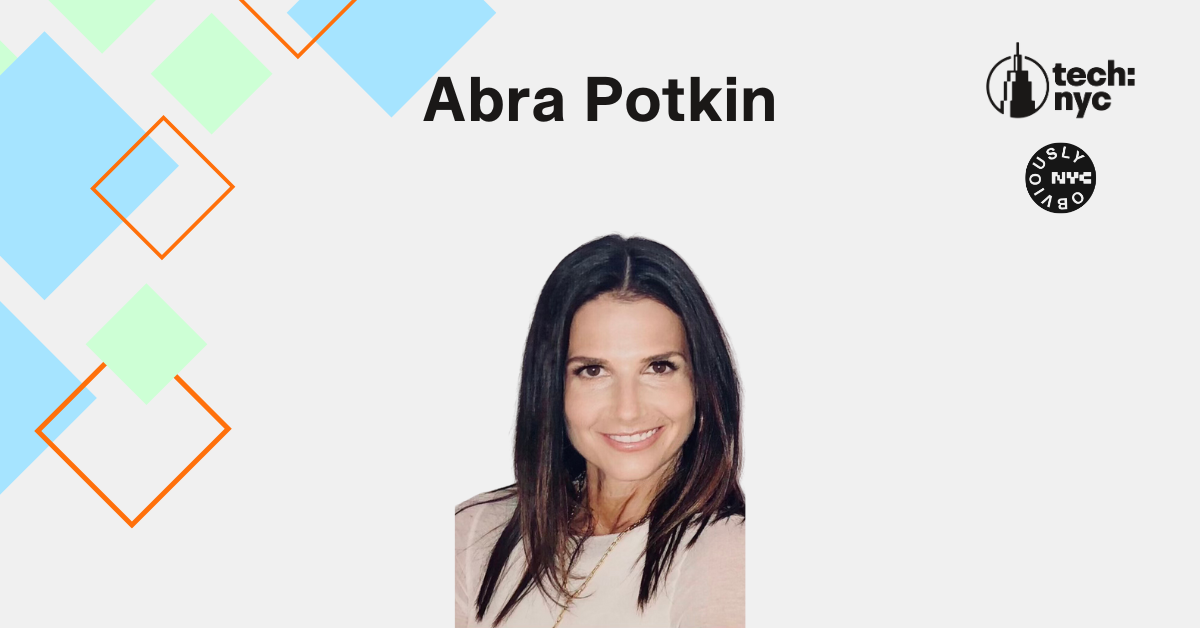
“The city is the original marketplace of cultures. If democratizing social commerce works here it works anywhere.”
What does your company do? What problem is it working to solve?
VideoShops is a social commerce platform that turns every user into a digital retailer and every share into a sale. VideoShops is solving key problems in traditional, outdated affiliate and social commerce. It removes barriers like follower minimums and retailer approvals, eliminates redirect friction and cart abandonment, provides same-day commissions, and empowers smaller creators to monetize recommendations while also helping brands reach wider, more niche audiences through authentic, people-powered selling.
A question we like to ask every founder — why New York?
VideoShops launched in New York because our heartbeat is about access, democratizing social commerce and this is a global behavior — and New York is where the world already lives together! The city is the original marketplace of cultures. If democratizing social commerce works here it works anywhere.
What early assumptions about seller behavior turned out to be completely wrong?
We initially believed sellers would prefer live selling, we had seen the massive success in Asia and it made sense, the interactive urgent and closer to inshore retail… What we learned in practice is that sellers need options, many do not like live, they like to perfect their videos and prefer short, stoppable videos because it fits how they already create live and monetize.
What are the biggest challenges you foresee over the next 2-3 years for VideoShops, given the competitive landscape in social commerce / affiliate-retail (especially vs. large marketplaces or specialty platforms)
As peer-to-peer retail proves out, incumbents (marketplaces, affiliate networks, retailers) will try to replicate elements of what we do. The challenge is to stay ahead on technology (our Universal Merchant Engine), network effects (multi-merchant, multi-platform, open participation), and user experience so that “VideoShops” becomes the default rails for anyone who wants to shop, share, and sell.
Looking ahead: how do you envision VideoShops evolving — e.g. adding new features, expanding into new product categories, or redefining what “social selling” looks like?
To fully capitalize on this opportunity, our strategy will focus on three key areas: expanding our presence globally, adapting and navigating to the changing landscape of commerce, and continually attracting top technical and commercial talent.
Time for some New York-themed rapid fire questions — where’s your favorite place to grab a slice of pizza in New York?
Rubirosa in Nolita has my favorite pizza in New York.
Where’s your favorite coffee shop in New York?
My favorite place to get coffee is San Vicente Bungalows, specifically the cappuccino.
Do you have a favorite spot to escape the noise of the city?
Though I love the noise, walking on the beach with my three children is my favorite way to escape.
What’s one piece of advice — that you’ve shared or was shared with you — on building a startup in New York City?
“It takes persistence to begin, grit to continue, audacity to imagine — and a great partner to endure the making.”
Zest
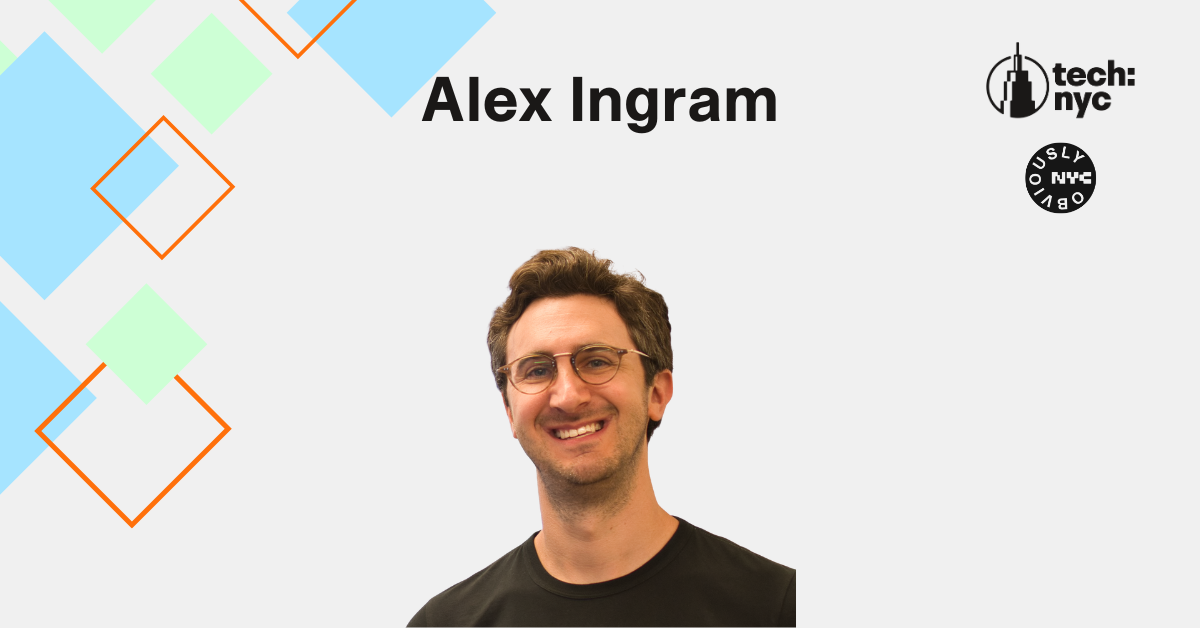
“Opt for in-person meetings when you can. In NYC, your next customer is probably a subway ride away.”
What does your company do? What problem is it working to solve?
Gifting is one of the fastest growing e-commerce markets. Everyday shoppers want to send gifts to friends and family right from the checkout. Companies want to gift their employees and clients.
But despite the growing demand for online gifting, the process of sending gifts online is time-consuming and highly manual. It’s a slog that creates friction and work for shoppers and brands alike.
Zest helps ecommerce brands offer fully optimized and intuitive gifting experiences to consumer and corporate shoppers right on their own websites.
A question we like to ask every founder — why New York?
I grew up here and have lived in the city most of my life. But beyond that, NYC is the epicenter of the brands we serve. Many of our clients are headquartered or have major operations here. Being local means we can grab coffee with a prospect or troubleshoot an integration in person.
As ecommerce has evolved, how has Zest’s product offering adapted? And what are the key features you’re most excited about today?
Zest started as a simple gift note app for Shopify checkouts. Over the years, our team has listened to what leading brands and their shoppers desire when it comes to sending gifts.
DTC brands want an on-brand CX, automatic gift order processing, and a better way to manage corporate gifting concierge projects.
Consumers want to send all their gifts in one checkout, simple customizations, and flexible gift delivery.
Zest has evolved to meet demands head-on with features like:
Self-service corporate gifting storefronts
E-gifting via text, email, or link
Full concierge order management
Multiship checkout for consumer gifting
What have been the biggest challenges in scaling Zest — whether in product development, customer acquisition, or competition — and how have you addressed them?
Despite the massive advancements in ecommerce, gifting has stayed relatively untouched since the ’90s.
Corporate gifters are used to contact forms and a lengthy back-and-forth with brands. Average shoppers have grown accustomed to handling the logistics of gifting on their own.
So, one of the biggest challenges has been getting shoppers and brands to break free from these outdated gifting habits and adopt this new way to buy gifts.
As with any new flow, it takes education and encouragement to earn that first purchase. But once someone has experienced the day-and-night difference, there’s no going back.
Can you share some examples of how Zest has transformed a client’s business (especially in ecommerce) and what that taught you about your product’s impact?
When a brand leverages Zest for that first Q4, AKA peak gifting season, the results speak for themselves.
Milk Bar slashed its gift processing time from 2 weeks to 2 days, enabling them to extend their holiday selling window by 9 days (and grow sales incrementally).
Levain Bakery grew its corporate gift sales 100%+ year over year.
Dandelion Chocolate crushed Q4 goals and was finally able to separate corporate gift orders from other orders, helping them strategize and plan better for the next big gifting season.
Brands tell us they really can’t imagine going back to the way they used to do things.
Time for some New York-themed rapid fire questions — where’s your favorite place to grab a slice of pizza in New York?
Lucia Pizza.
Where’s your favorite coffee shop in New York?
Ella’s Cafe.
Do you have a favorite spot to escape the noise of the city?
Central Park.
What’s one piece of advice — that you’ve shared or was shared with you — on building a startup in New York City?
Opt for in-person meetings when you can. In NYC, your next customer is probably a subway ride away.