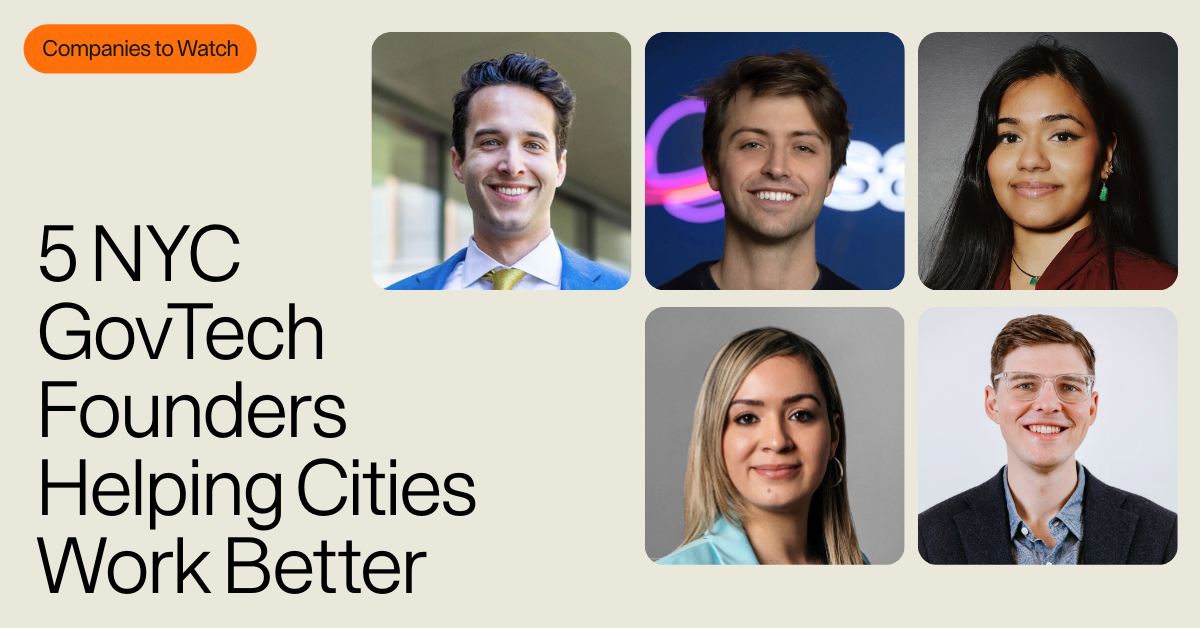
Companies to Watch: NYC GovTech Founders Helping Cities Work Better
From helping residents navigate benefits and permits to modernizing public safety, procurement, and civic engagement, govtech companies are reshaping how governments operate.
Google's recent “Mayors AI Playbook” reflects a growing emphasis on collaboration between government and the private sector, a model Tech:NYC has long championed as the best way to deliver effective, accountable innovation for New Yorkers.
That collaboration isn’t new, but its scale, speed, and opportunities have never been greater:
The global govtech market size is projected at $825.49 billion in 2026 and is anticipated to reach $3 trillion by 2035 (that’s trillion, with a “t”).
As of Q3 2025, year-to-date total govtech transaction value reached $17 billion nationally, outpacing the $13.2 billion figure from 2021.
Zoom in a bit, and New York City stands out. Home to 60+ govtech companies, NYC has seen over $940 million in govtech funding in the past decade, reflecting both the scale of local government and the city’s deep bench of mission-driven founders building alongside it.
At Tech:NYC, we’ve long believed public-private collaboration is essential to serving all New Yorkers. That belief has shown up in big ways, as we have championed Empire AI, New York State’s public-private AI computing initiative.
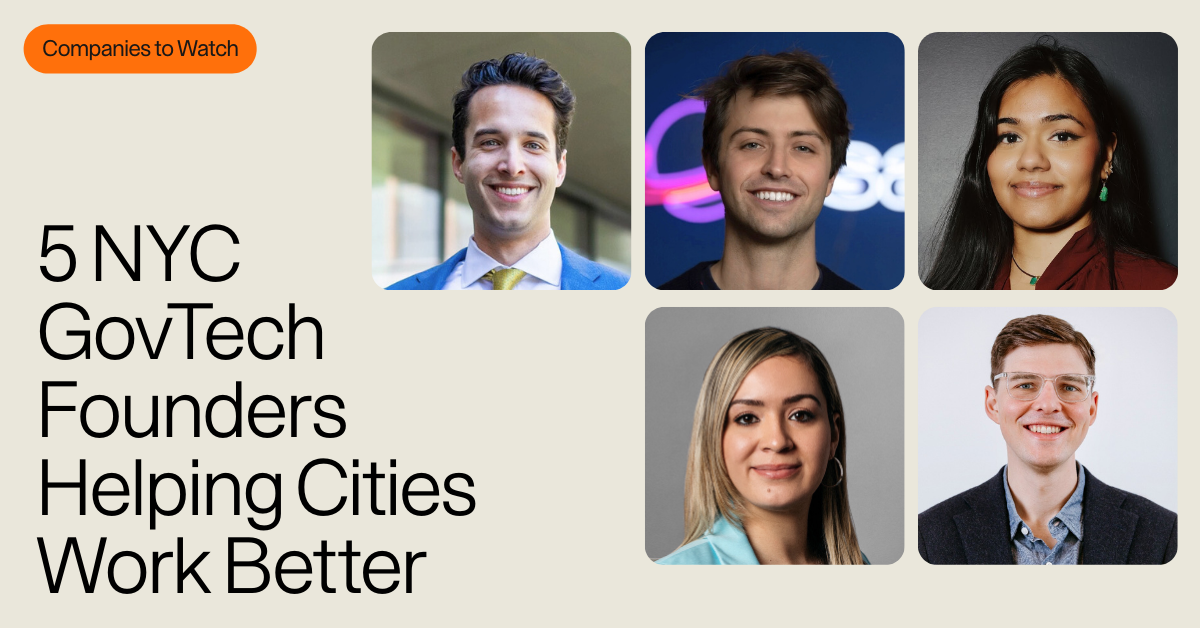
To kick off the year, and as a new mayoral administration gets underway, we caught up with founders from five NYC-based govtech companies who are helping cities engage residents, modernize systems, and turn emerging technologies into tools governments can actually use.
For this edition of Companies to Watch, meet:
Austin Boral (founder of Civic Roundtable)
Jack Saltzman (founder of Ladder)
Shruti Gupta (founder of PollSee)
Amanda Levay (founder of Redactable)
Tyce Herrman (founder of Ulama)
Civic Roundtable
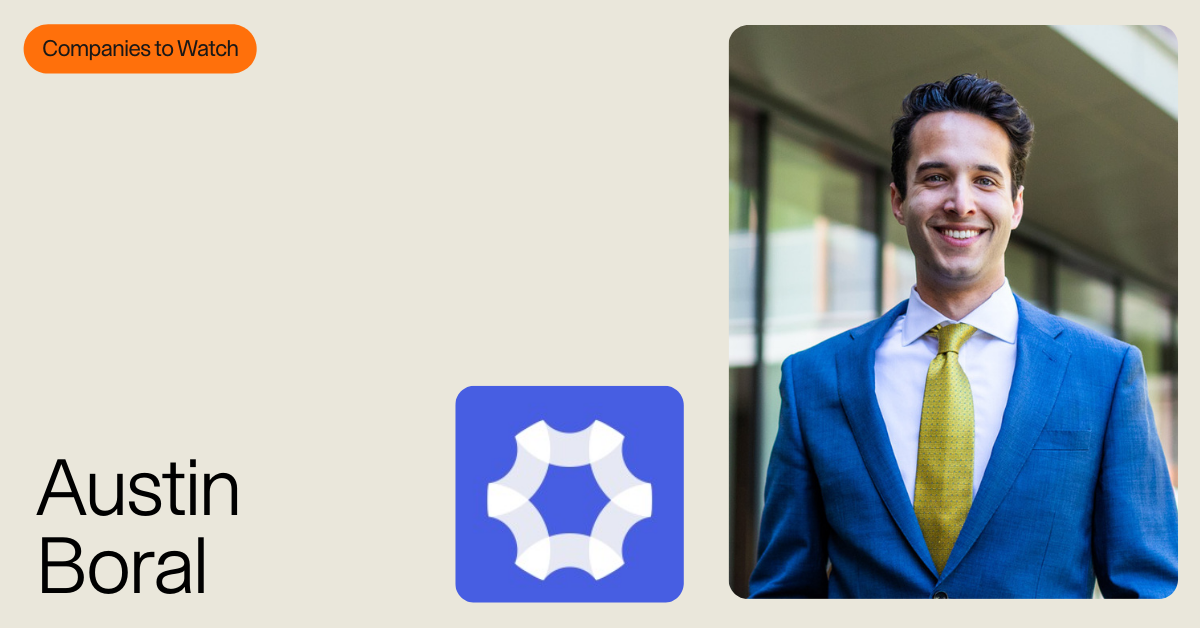
“If we can help government work better together here, we can help public servants anywhere.”
What does your company do? What problem is it working to solve?
Civic Roundtable is an AI-powered government operations platform that helps public agencies coordinate people, knowledge, and work across agencies and partners. Most government programs span multiple departments and external organizations, but the tools public servants rely on were built for single organizations. As a result, information is fragmented, partners lack visibility, and institutional knowledge is lost. We replace that patchwork with one secure platform that helps public servants collaborate, preserve knowledge, and run complex programs more effectively.
A question we like to ask every founder — why New York?
I’m in New York because this is where the problem became impossible to ignore. While working in NYC government, I saw firsthand how much it truly “takes a village” to tackle public problems — and how hard it is to coordinate across agencies, jurisdictions, nonprofits, and community partners using fragmented tools.
New York’s public sector is uniquely dense and layered — there are thousands of agencies and organizations working together across multiple jurisdictions and levels of government, which means there are more people involved in public service per capita than anywhere else. That makes it one of the most challenging environments for interagency coordination — and also the place with the greatest upside. If we can help government work better together here, we can help public servants anywhere.
What’s the hardest part about changing entrenched government habits with new technology?
The hardest part isn’t tech… it’s trust. Public servants are resource-strapped and risk-averse for a reason, and new tools have to meet them where they are. One of my co-founders (Josh Seiden) likes to say that we’re the “anti-Field-of-Dreams team” — no offense to Kevin Costner, but “if you build it, they will come” does not work for public servants like it does for the ghosts of baseball players.
We’ve learned that adoption only works when technology fits existing workflows, saves time immediately, and proves value quickly. That’s why Roundtable integrates with their existing tools and focuses on solving real, day-to-day coordination problems rather than forcing big behavioral or systemic change upfront.
When/how did you become interested and passionate about govtech?
I became passionate about govtech while working across federal, state, and local government — right here in New York. I was surrounded by deeply mission-driven people trying to solve complex problems — from homelessness to public health to economic development — but constantly held back by outdated systems and fragmented communication. It became clear that better technology could unlock so much more impact.
Civic Roundtable grew directly out of my experience and belief that public servants deserve tools that actually match the reality of their work.
How do you view the tech sector’s role in transforming government efficiency in the U.S.?
Technology shouldn’t replace public servants, it should empower them. The tech sector’s role is to build infrastructure that reduces administrative burden, preserves institutional knowledge, and helps people collaborate across organizational and technical boundaries. In New York, we have the privilege of partnering with the Board of Elections to improve day-to-day coordination and knowledge management among election officials.
Through this work, we’ve learned firsthand that government efficiency isn’t about moving faster at all costs — it’s about helping agencies work together effectively and make better decisions. When our tech is designed with and for public servants, we can meaningfully improve outcomes for communities and constituents.
As a founder, what are your self-care routines to recharge while still being heads down building a company?
Walking everywhere and taking as many meetings as possible from park benches… which unfortunately is not that many.
Time for some New York-themed rapid fire questions — where’s your favorite place to grab a slice of pizza in New York?
Mama’s Too.
Where’s your favorite coffee shop in New York?
Picky Barista.
Do you have a favorite spot to escape the noise of the city?
Riverside Park. Can you tell I just moved to the Upper West Side?
What’s one piece of advice — that you’ve shared or was shared with you — on building a startup in New York City?
Stay close to the people you’re building for. In New York, the problems feel complex and high-stakes — not just because they are, but because they’re right in front of your face. Our best ideas came from meeting public servants where they are and listening more than talking. NYC rewards builders who treat proximity as a responsibility, not a perk.
Ladder
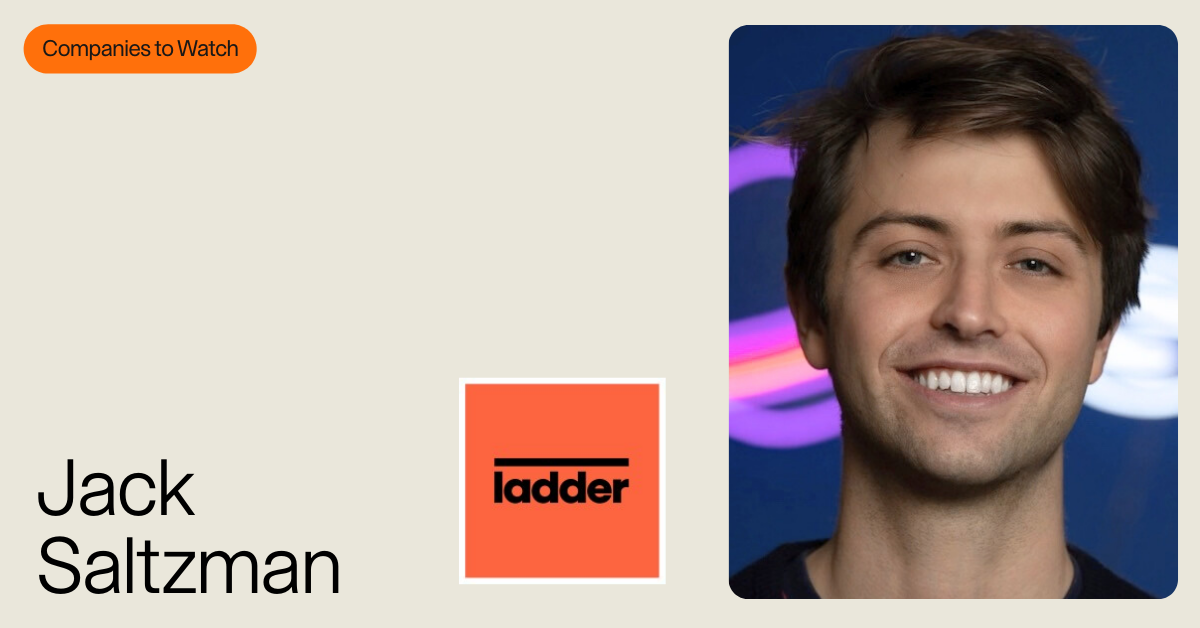
“More than half of New Yorkers live in poverty or are one missed paycheck away. If you’re trying to build something that helps people, this is a place where you can chip in immediately and learn fast. Why not start here?”
What does your company do? What problem is it working to solve?
Ladder helps people access the government benefits they’re eligible for. Over 100 million Americans rely on public benefits, but more than $100 billion goes unclaimed every year because application processes are confusing, fragmented, and time-consuming. We make them simple, clear, and highly automated. Our goal is for every American to receive everything they’re legally entitled to.
A question we like to ask every founder — why New York?
I grew up here and plan to spend my life here. I love it here. More than half of New Yorkers live in poverty or are one missed paycheck away. If you’re trying to build something that helps people, this is a place where you can chip in immediately and learn fast. Why not start here?
You’ve built close relationships with city government, universities, and philanthropy. What does it actually take to earn trust when you’re a startup operating inside public systems?
Earning trust is rightfully hard when you're handling sensitive information in complicated systems. It requires transparency, humility, and persistence. We try to always do what we say we'll do, listen more than we talk, be honest about what we don't know, and show up having made progress.
What’s something policymakers often misunderstand about why benefits go unclaimed? Everyone I've met in government is ambitious and big hearted. What's encouraging is how often policymakers and agency leaders understand exactly why benefits go unclaimed.
The hard part is changing old systems, strict rules, and fragmented agencies with limited capacity. Jennifer Pahlka wrote a terrific book called Recoding America explaining how even when leaders want to fix the problem, the machinery of government can make progress slow.
What was the inspiration behind the name Ladder?
We wanted a name that expressed utility. A ladder helps you reach something that’s already there. It doesn’t make assumptions about who you are or why you need it. That felt right for what we’re building.
As a founder, what are your self-care routines to recharge while still being heads down building a company?
My friends Fernando and Denali are great runners who let me join them when they don't mind running slowly. Running clears my head.
Talking to friends is also self-care for me and I’m really lucky to have good ones starting exciting companies here in NYC. Jack Parker is starting Lambert’s Beer, a mid-strength beer company. Ben Pruzan is starting Minetta Interactive, a mobile gaming studio. Francis Barth is starting Trestle, a database system for human services organizations. Belen Tenorio and Cherri Hartigan are starting Pillowtalk, an AI powered self reflection space. And Kevin Tang is building Geni, an AI storytelling toy for kids.
Swapping notes and celebrating the good days together makes the long days a bit lighter.
Time for some New York-themed rapid fire questions — where’s your favorite place to grab a slice of pizza in New York?
One of my oldest friends, Brad Schenker, is the greatest pizza chef in New York. Maybe the country. When you see a Schenk’s Pizza (@schenkspizza) pop up, go!
Where’s your favorite coffee shop in New York?
Colbo in the Lower East Side isn’t a coffee shop. It’s a clothing store with beautiful clothes and good people, a bar, a place to hang out. It also has my favorite coffee in New York.
Do you have a favorite spot to escape the noise of the city?
My parents grew up in New York and still live here. My grandmother, too. I try to visit them as often as I can. I’m writing this from their living room.
What’s one piece of advice — that you’ve shared or was shared with you — on building a startup in New York City?
My favorite professor told me to work with people who know more than you and care as much as you do. When you’re trying to make something that doesn’t exist yet, there’s inevitably going to be a lot of growing pains and false starts. Being surrounded by people who can help think through the problems and are invested enough to grind through the challenging spots is invaluable.
PollSee
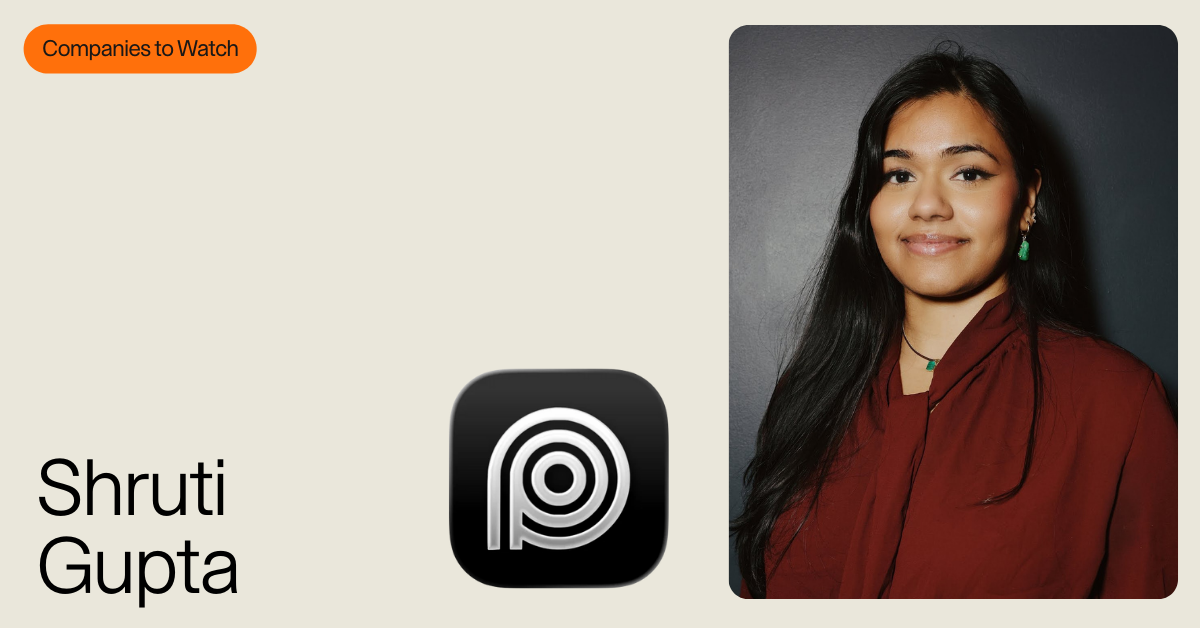
“Whatever you think, think bigger. We’re in New York, baby.”
What does your company do? What problem is it working to solve?
PollSee is building an interactive layer between everyday people and their government. The lobbying infrastructure today is outdated, opaque, and frankly inaccessible unless you already know the right people. We’re modernizing that system for this century — making it possible for people to engage with policy in a way that actually fits into their lives. Instead of lobbying being something distant and elite, PollSee lets you passively participate, stay informed, and even push policy proposals straight from your phone.
A question we like to ask every founder — why New York?
I’m homegrown. I grew up in Flushing, and there’s truly no place like New York City. If you can make it here, you can make it anywhere. Starting PollSee here felt important — not just because of the scale and density, but because I wanted to give back to the community that raised me and shaped how I see the world.
PollSee aims to connect voters, campaigns, and elected officials in real time. What’s the biggest challenge you’ve faced in building trust across these different groups?
Two big things: voter apathy on one side, and resistance to new technology on the government side. Bridging that gap takes patience, credibility, and showing that this isn’t about disruption for disruption’s sake — it’s about making participation easier and more human.
What’s one thing you believe most people still misunderstand about civic engagement in the digital age, and how does PollSee address that?
People think civic engagement has to be all or nothing — like you’re either fully plugged in or completely disengaged. That’s not true. There are passive, low-lift ways to influence your day-to-day life. Local politics matter more than people realize, and PollSee brings the most relevant information, direct connections to elected officials and local campaigns, and the ability to push policy proposals — all in one place.
PollSee emphasizes hyper-localized data and feedback. How do you balance presenting meaningful civic information without overwhelming users?
Everything is anchored to your voting address. We only surface information that directly impacts you and your community. It’s also non-partisan and ad-free, which helps keep the experience focused, intentional, and not noisy.
As a founder, what are your self-care routines to recharge while still being heads down building a company?
I’ve picked up so many new hobbies lately — playing the flute, biking, hiking, and spending time in jazz clubs. It’s genuinely important to get outside, touch grass, and remember there’s a world beyond my laptop.
Time for some New York-themed rapid fire questions — where’s your favorite place to grab a slice of pizza in New York?
Di Fara’s. But honestly, I’ll never say no to a mushroom, garlic, white sauce slice.
Where’s your favorite coffee shop in New York?
Kosmic Café. There’s something magical about a great café in a total transit desert. It keeps the coffeehouse vibe of an upstate cafe alive in the city.
Do you have a favorite spot to escape the noise of the city?
The Cloisters and long bike rides by the pier. On weekends, jazz clubs — especially practice sessions — are my happy place.
What’s one piece of advice — that you’ve shared or was shared with you — on building a startup in New York City?
Whatever you think, think bigger. We’re in New York, baby.
Redactable
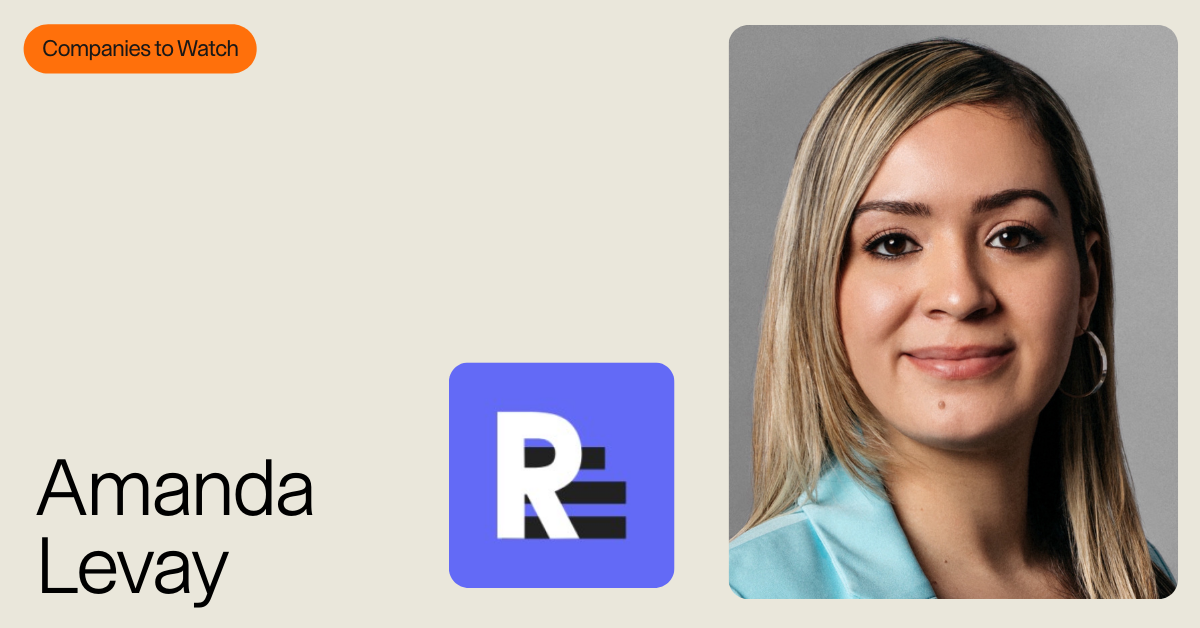
“New York will challenge you constantly, but that pressure sharpens your judgment and forces you to grow faster as a founder.”
What does your company do? What problem is it working to solve?
Redactable is an AI-based platform that helps organizations permanently redact sensitive documents. Most redaction workflows are slow and error-prone; Redactable uses AI to automate detection, permanently remove sensitive data, and support compliance with confidence.
A question we like to ask every founder — why New York?
I love New York! The energy here feels a lot like building a startup — fast, intense, and always moving. The tech ecosystem is incredibly active, with events happening almost every day that make it easy to connect with other founders and investors.
Government agencies have strict compliance and audit requirements around data handling. How does Redactable ensure that permanent redaction and audit trails meet the needs of public records law and privacy regulations?
We built Redactable with compliance and security at the core. We are SOC 2 Type II and HIPAA compliant, encrypt data at rest and in transit, and ensure redaction is truly permanent so sensitive information is removed rather than hidden. Every action is logged to create clear audit trails that support public records laws and privacy regulations.
What have you learned from working with government clients — such as police departments or agencies responding to records requests — about balancing speed, accuracy, and transparency in redaction?
Public sector teams are juggling volume, deadlines, and public scrutiny at the same time. When they can easily review and justify redactions, they are able to respond faster without worrying about mistakes.
How do you build confidence that your AI redaction won’t miss sensitive data or misclassify documents, especially in high-stakes public use cases?
We never position AI as the final decision maker. Our models do the heavy lifting by flagging sensitive content, but humans stay in the loop to review and approve redactions. That combination builds real confidence, especially in high-stakes public use cases.
As a founder, what are your self-care routines to recharge while still being heads down building a company?
Building a company can be intense, so I focus on routines that keep me balanced. Meditation, Qigong, and boxing give me a rhythm that helps me reset and stay focused.
Time for some New York-themed rapid fire questions — where’s your favorite place to grab a slice of pizza in New York?
Little Italy Pizza!
Where’s your favorite coffee shop in New York?
I don’t drink coffee, but I love the green juices from Juice Vitality in the East Village.
Do you have a favorite spot to escape the noise of the city?
I live a few blocks from the Hudson River, so I love taking long walks there when the weather is nice. It is one of the easiest ways for me to reset and get some quiet time.
What’s one piece of advice — that you’ve shared or was shared with you — on building a startup in New York City?
Learn to be comfortable being uncomfortable. New York will challenge you constantly, but that pressure sharpens your judgment and forces you to grow faster as a founder.
Ulama
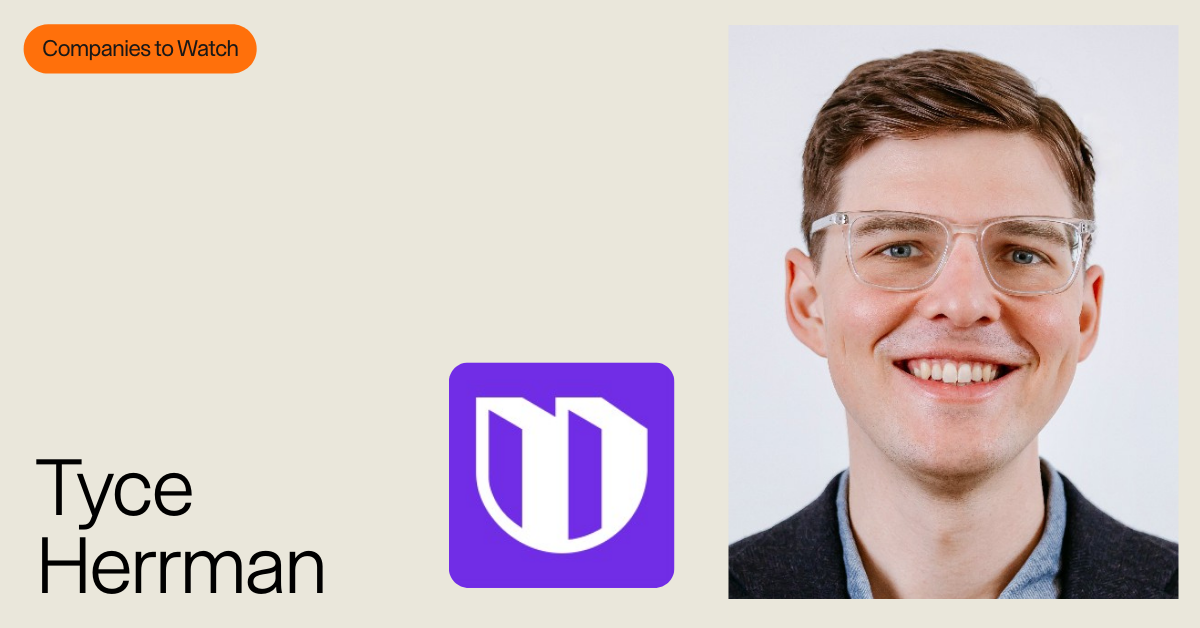
“I could write a whole treatise on why New York. The startup community here is so supportive and is very grounded in the sense that founders here have a propensity to try and solve real problems.”
What does your company do? What problem is it working to solve?
Ulama is automating the time-consuming and error-prone review of construction designs for compliance with building codes. We’re like Grammarly or spellcheck, but for 3D building model designs.
We’ve all experienced, either directly or indirectly, that construction permitting takes forever. It takes five months on average to get a permit in the U.S., and that’s heavily skewed by simple single family home construction, so the delay for larger projects is even longer. That’s bad for all the stakeholders involved. It’s bad for the developers and owners, including individual homeowners. It’s bad for the design and construction professionals, including architects, engineers, and contractors. And it’s bad for local governments and communities.
Ultimately, we all end up paying for the high cost of permitting. The situation is obviously dire with housing, we’re 7 million housing units short in the U.S., but it’s also negatively impacting commercial development costs as well.
A question we like to ask every founder — why New York?
I could write a whole treatise on why New York. The startup community here is so supportive and is very grounded in the sense that founders here have a propensity to try and solve real problems.
On a personal level, and this will sound strange at first, but one of the best parts of living here is the feeling that no one actually cares what you do. What that actually means though is no one is going to judge who you are or what you do because New Yorkers have seen it all.
I’m not a wild and zany character or anything, but as someone from literally a corn field in corn country, where everyone knows everyone and there’s a tacit normative homogeneity, New Yorkers you-do-you attitude is a breath of fresh air, even for a relative normie like me.
Permitting rules vary widely by city and even by borough. How do you design a system that respects local authority without fragmenting the product?
For building codes, we start with what are known as the “model” codes, published by the International Code Council and others. We translate the written rules into analysis algorithms that check the geometry and properties of the 3D building model used for creating the construction plans.
For locations that adopt the model codes as is without amendments, nothing else is needed. For locations that have made their own local amendments, in most cases we simply substitute new values (say a stricter requirement for egress width).
When the actual underlying logic of the rule is different, then we swap in a whole new rule definition. Each rule and each variable within a rule is modular so once a user inputs the project location, the rules engine powering our platform immediately updates with the appropriate set of rules and conditions.
What has surprised you most about how municipal agencies respond to AI-assisted compliance tools — enthusiasm, skepticism, or something else?
Agencies broadly recognize their need to be new approaches: the average age of a plan reviewer is increasing and permit backlogs are getting longer in most communities. It’s encouraging to see so many agencies willing to experiment and try new approaches to reverse these trends.
Housing affordability is a political priority in many cities, especially New York. Where do you see faster, more predictable permitting having the biggest downstream public impact?
A couple of years ago, the Building and Land Use Approval Streamlining Taskforce (BLAST) published a report called Get Stuff Built with 111 recommendations on, as the eponymous title would suggest, getting stuff built in NYC. It’s really excellent and I highly recommend it as a read for anyone remotely interested in development and construction broadly.
There’s a stat in there that I use as a sort of north star. The costs associated with a 3-month delay due to permitting during construction on a 100-unit building are $1.4 million, equal to the HPD subsidy for 11 units. Every time we cut three months from the permitting process, we’re effectively getting a bonus housing unit on every 10 housing units. That’s pretty incredible.
As a founder, what are your self-care routines to recharge while still being heads down building a company?
A lot of my self-care does double duty for physical and social needs. I climb with some friends at Movement in Gowanus and run on Tuesdays with the Pitch and Run Prospect Park group (though I’ve been wussing out with the cold as of late).
My girlfriend and I also like to catch a movie at Nitehawk in Prospect Park once in a blue moon. She’s a theater director and playwright, so we’ll also see performances together - seeing shows she’s written and/or directed is always the best.
Time for some New York-themed rapid fire questions — where’s your favorite place to grab a slice of pizza in New York?
Brooklyn DOP in Park Slope. IYKYK
Where’s your favorite coffee shop in New York?
Velvette Brew, also in Park Slope. I’ve turned into a Park Slope stan since moving there two years ago.
Do you have a favorite spot to escape the noise of the city?
I don’t know if this counts since it’s still within the city, but I love Governors Island. As more development happens on the island, a bit of the “wtf is this place” magic has gone, but it’s still inexplicably relatively hidden and just a delight to visit.
What’s one piece of advice — that you’ve shared or was shared with you — on building a startup in New York City?
“Doing the thing is the thing.” There’s lots of variations of this, but I’ve come across it a couple of times formulated as a list of activities like “setting aside time to do the thing isn't doing the thing” and “telling people you're doing the thing isn't doing the thing.”
It’s so incredibly easy to get sucked into doing work that feels productive but isn’t actually the thing at hand that needs doing. What “the thing” is varies all the time, and setting yourself up to do “the thing” is often necessary or at least helpful, but reminding myself that “doing the thing is the thing” keeps me from conflating “things in service of the thing” with “the thing.”