

The Grid Fellowship Heads to the Hill: NYC, D.C., AI, and More
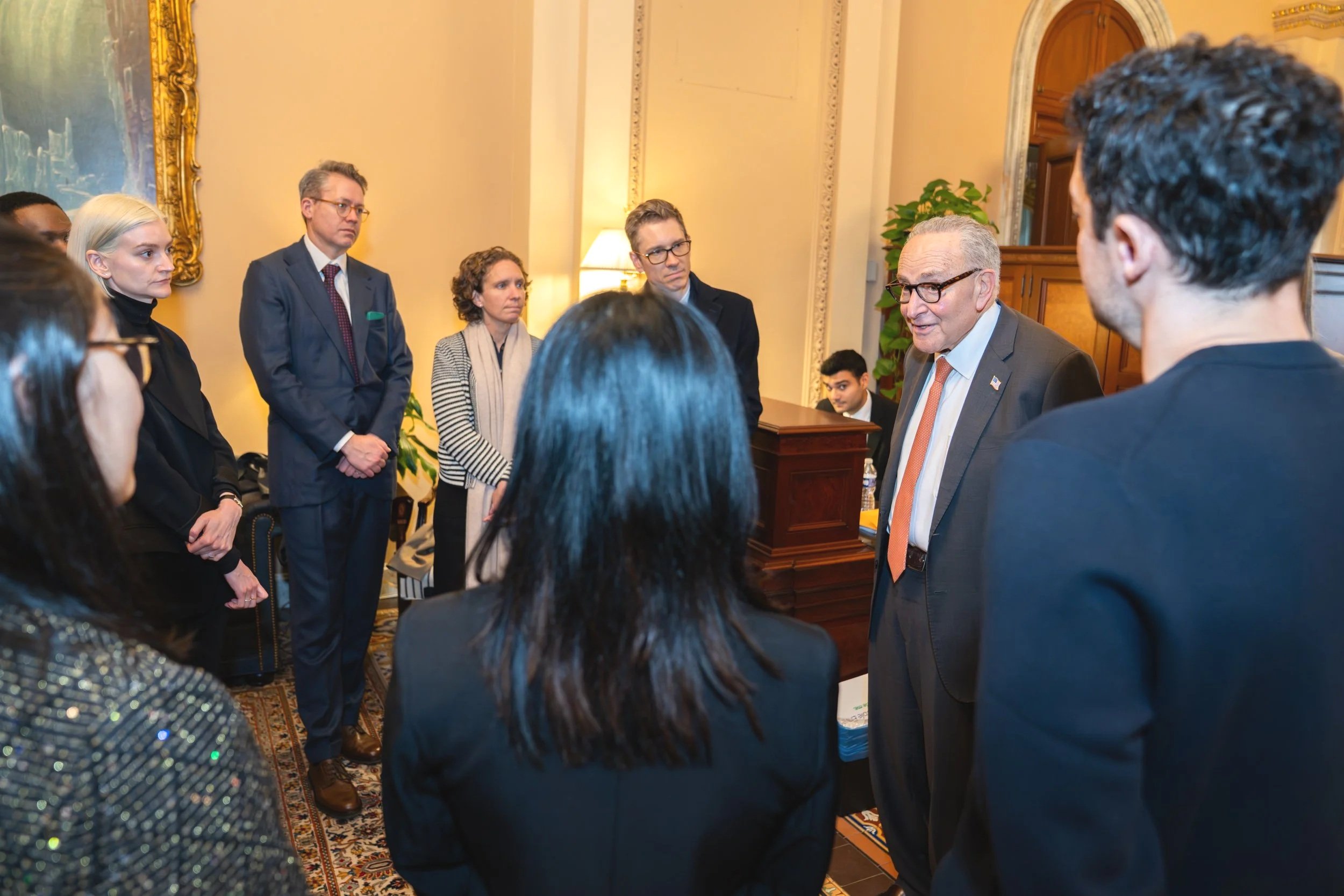
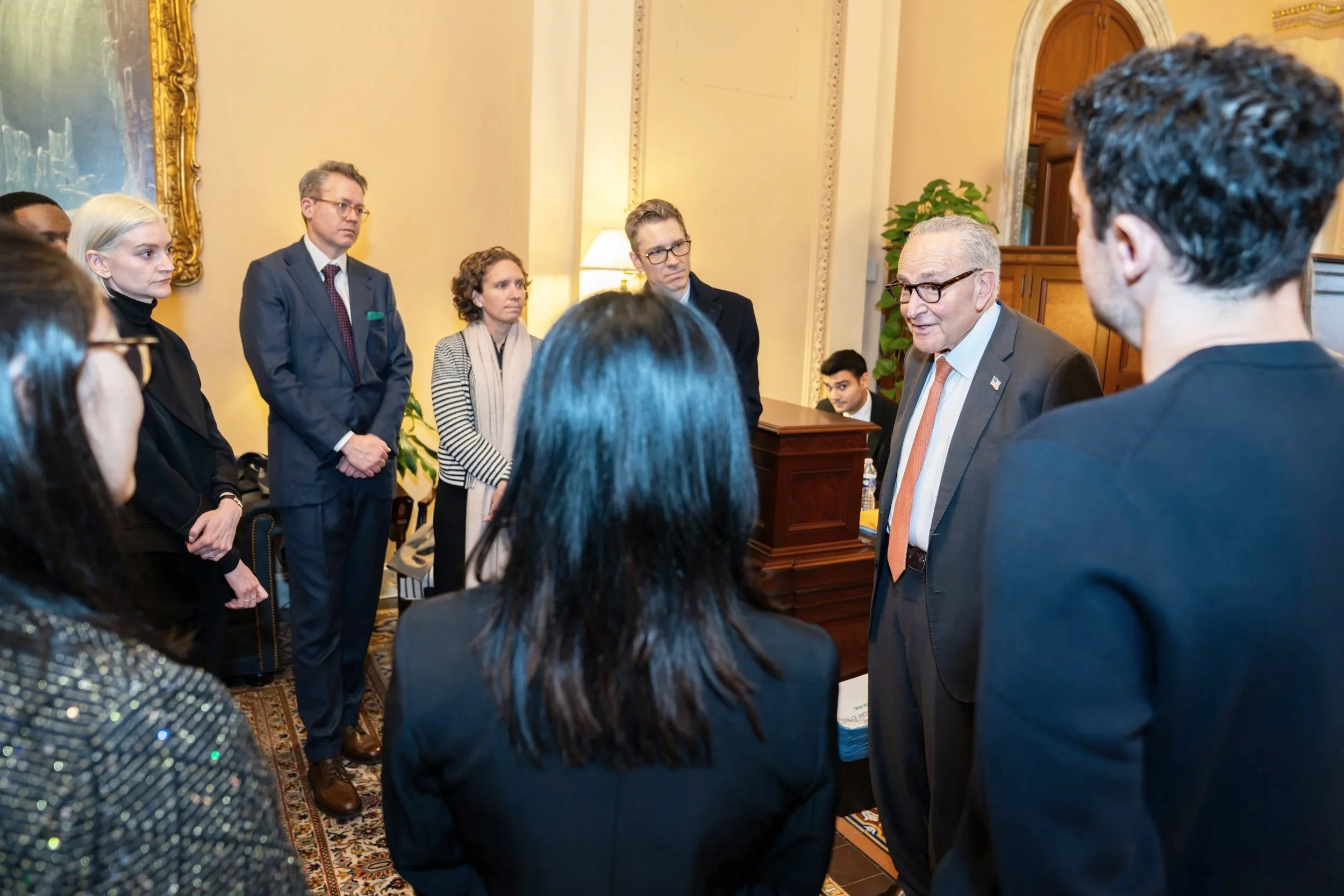
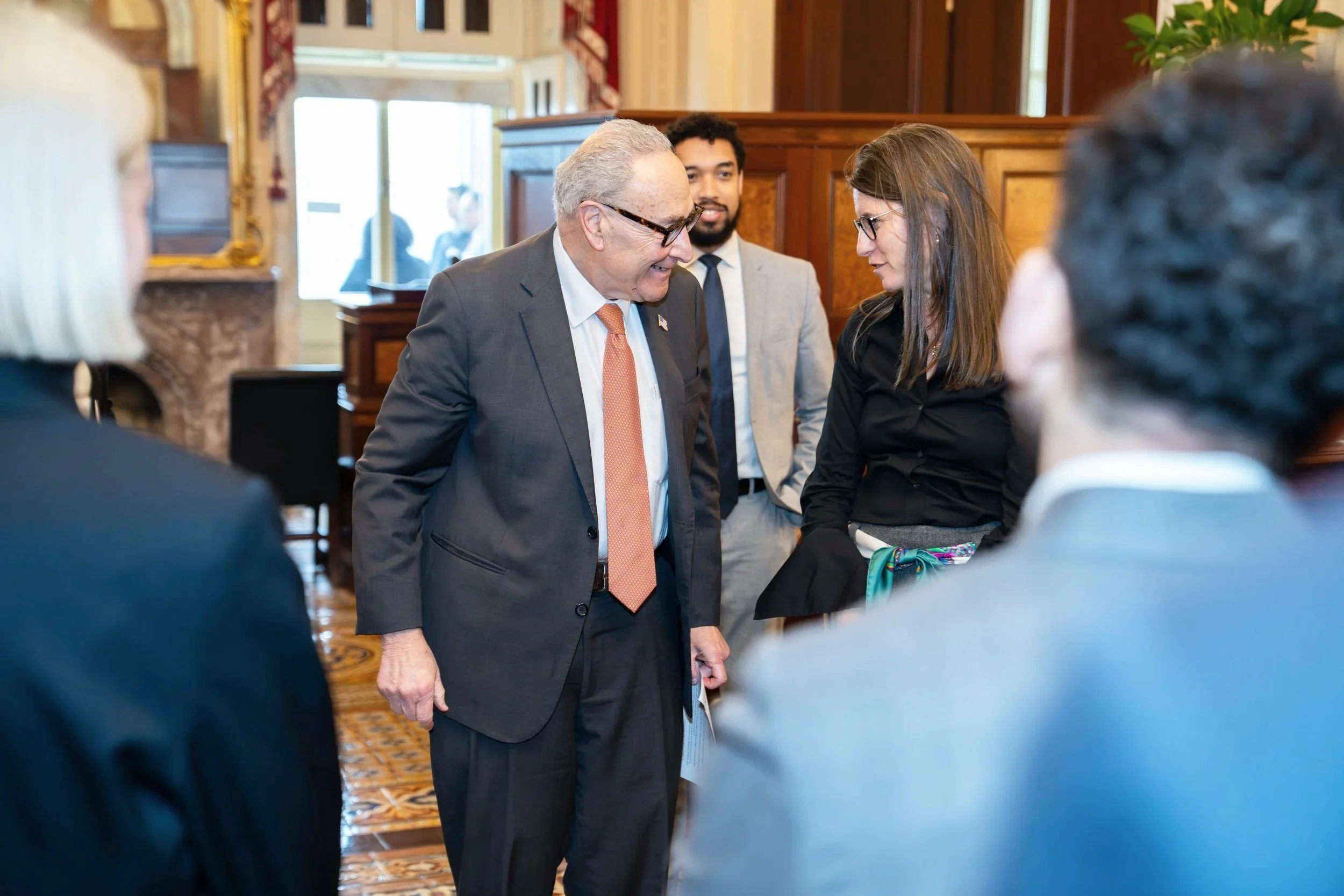
Photo credit: Office of Senate Minority Leader Chuck Schumer
Last year, Tech:NYC launched the Grid Fellowship, our inaugural civic leadership program that connects tech leaders with the systems that shape public life in New York City. This month, more than halfway through the program that’s building a pipeline of tech leaders who understand how our city runs, the Grid Fellows traveled to Washington, D.C for a deep dive into how policy decisions at every level of government affect New York’s innovation economy and beyond.
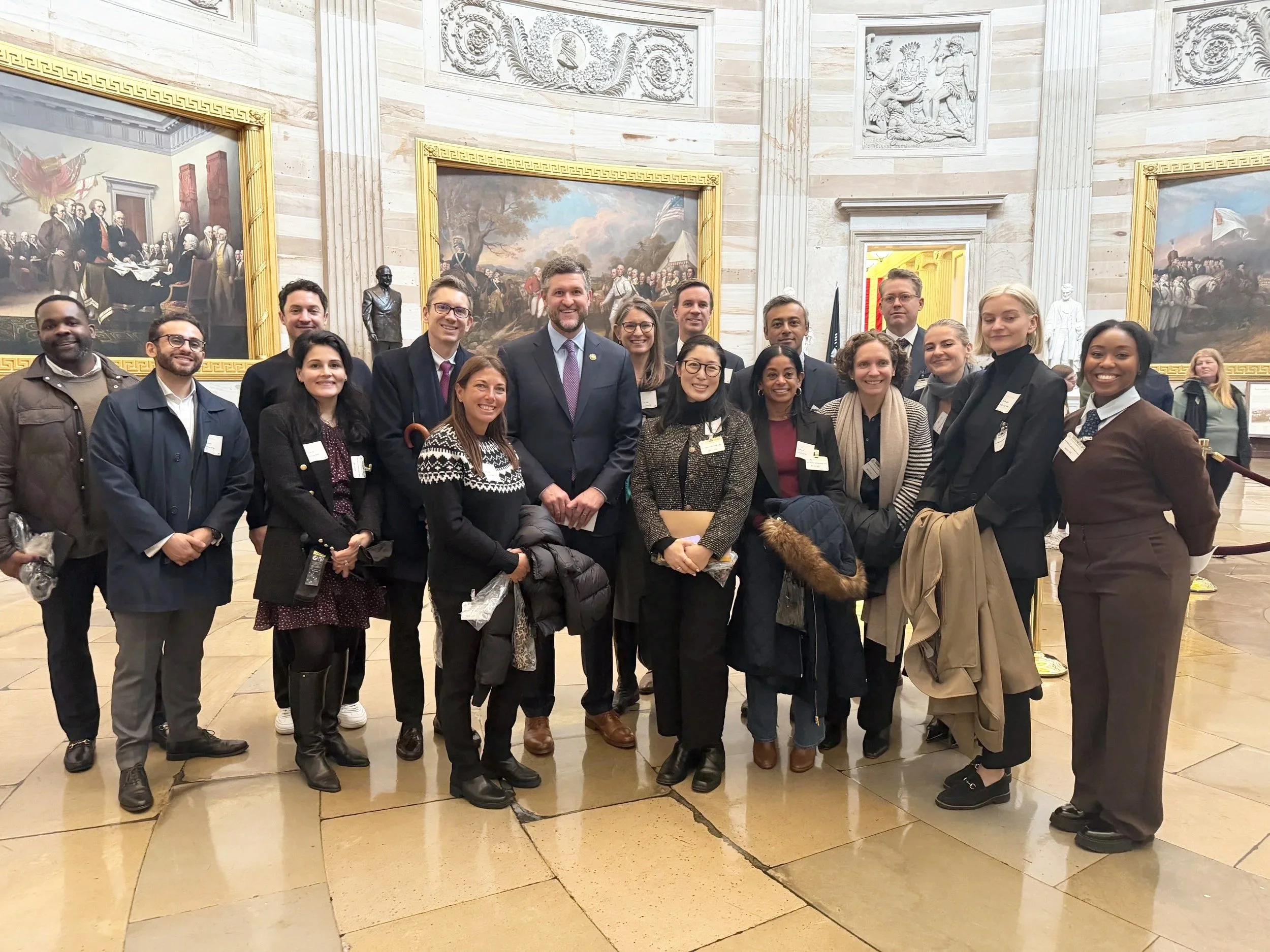
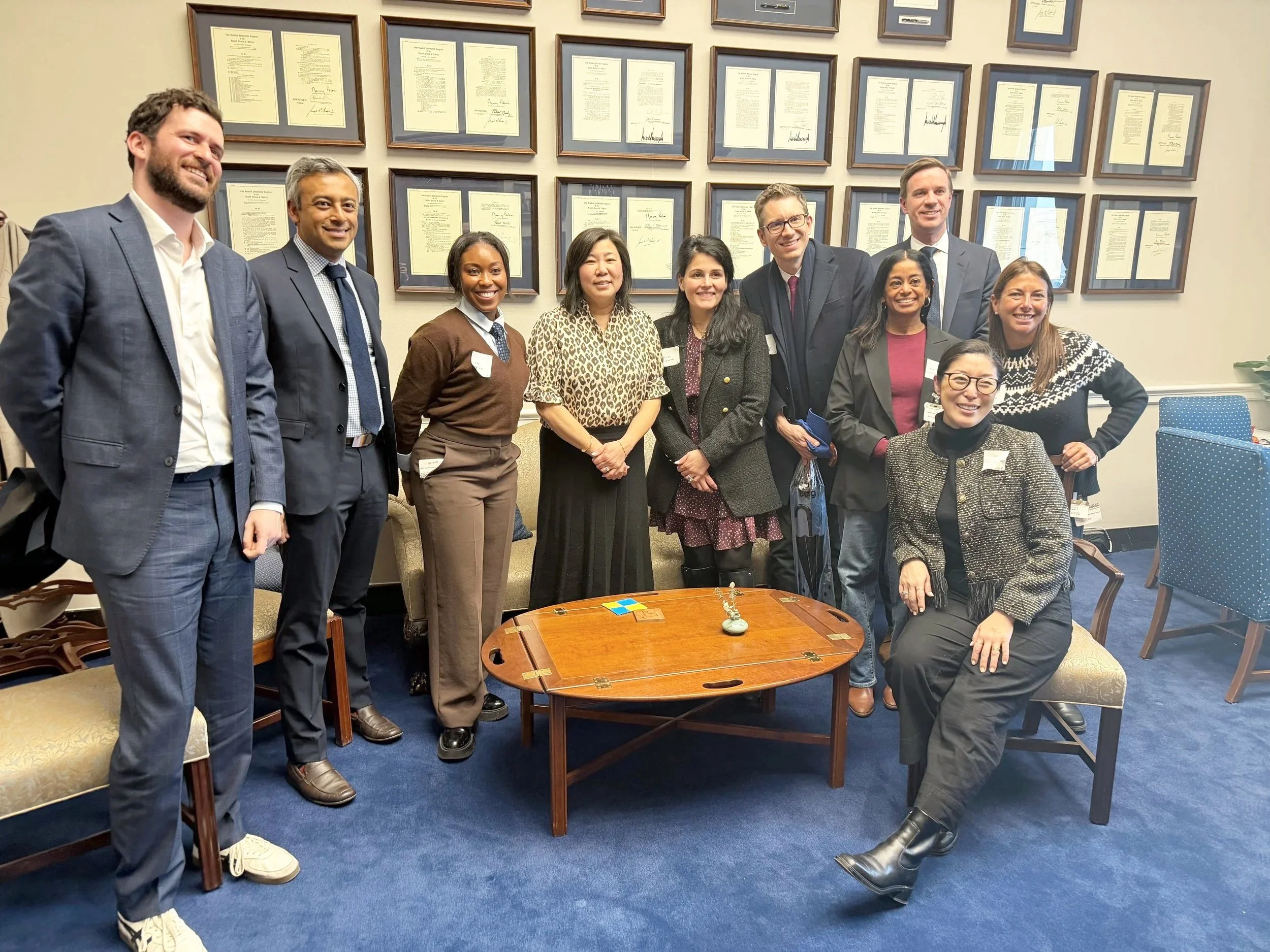
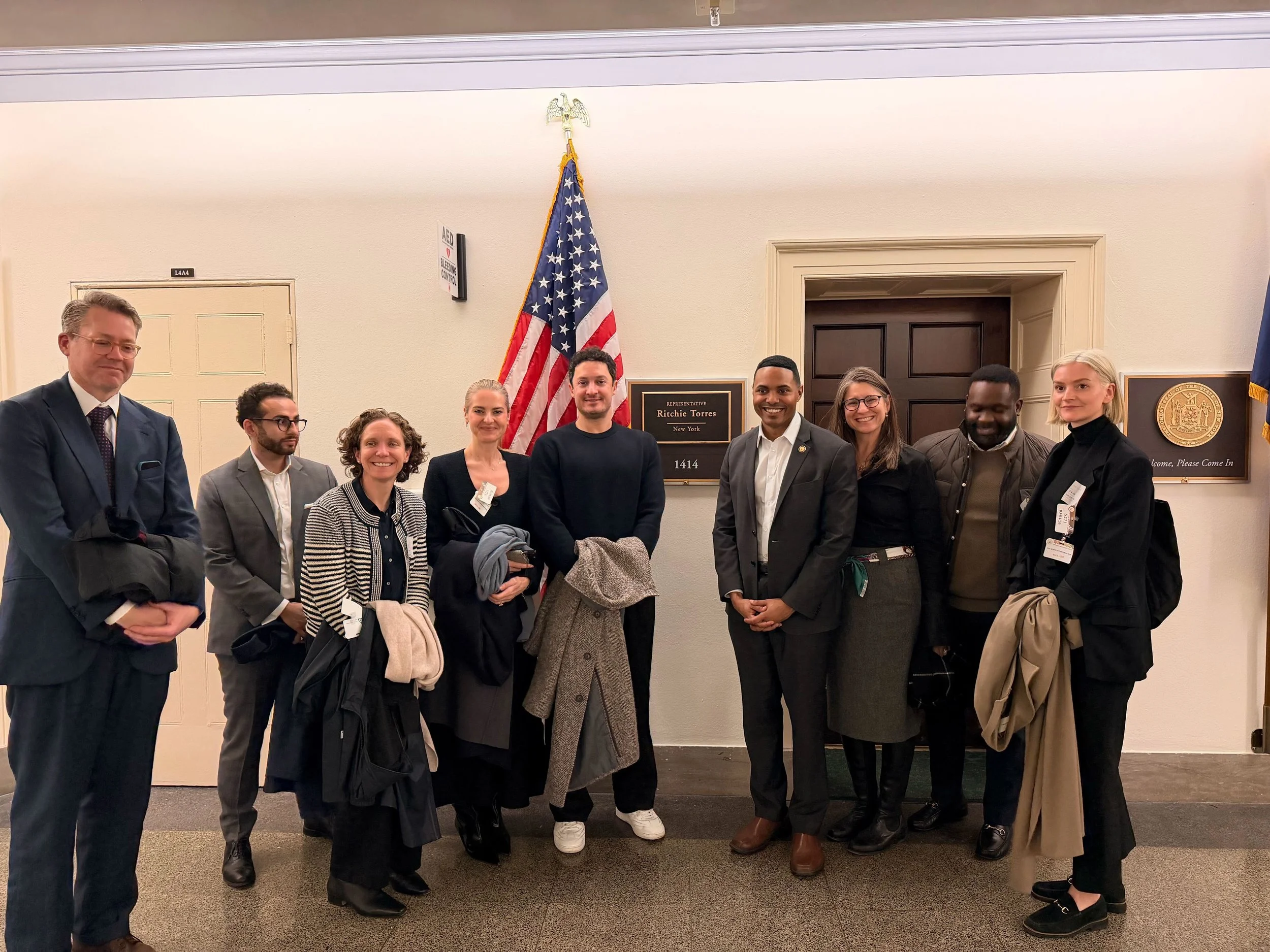
With a basecamp at the Consumer Technology Association’s Innovation House and meetings on Capitol Hill, fellows engaged directly with members of New York’s congressional delegation, senior policy advisors, and industry leaders who are helping shape the next chapter of technology policy.
Michael Petricone, Senior Vice President of Government and Regulatory Affairs at CTA, offered a front-row view into Washington’s technology policy landscape and the forces shaping it.
Senate Minority Leader Chuck Schumer, a longtime champion of New York’s tech sector, underscored that stronger communication between innovators and policymakers will be critical as Congress grapples with the implications of emerging technologies.
New York Representative Joe Morelle, who represents Rochester,noted that policymakers must look beyond regulating AI systems alone and consider the broader societal changes these technologies will bring – and that Congress must act to avoid a fragmented system of state regulations that could complicate innovation across regions like New York.
New York Representative Pat Ryan, who serves on the House Transportation and Infrastructure Committee, discussed howmajor transportation projects that serve New York City also strengthen connectivity and economic opportunity across the Hudson Valley and surrounding regions, illustrating how federal infrastructure policy supports the broader regional economy that powers the city.
New York Representative Ritchie Torres highlighted the importance of encouraging innovation while ensuring its benefits are widely shared — especially crucial in dynamic and diverse cities like New York, where tech-driven growth must also address economic disparities.
Representative Grace Meng — Ranking Member of the Commerce, Justice, and Science Appropriations Subcommittee — discussed how tech leaders can engage directly with lawmakers — through briefings, events, and conversations about federal research funding — to help shape policies that prepare the next generation of New Yorkers for careers in technology, given the importance of Congress’s role in funding research institutions that power America’s innovation engine.
Alex Scheuer, policy advisor to House Democratic Leader Hakeem Jeffries, emphasized the importance of bipartisan collaboration to build durable policies that allow U.S.-based companies — and innovation hubs like New York — to thrive in America and lead globally.
Jay Carney, Airbnb’s Global Head of Policy and Communications and White House Press Secretary under the Obama Administration reflected that local policymaking is becoming increasingly consequential for tech companies.
Across those discussions, five key themes emerged about the future of technology and policymaking.




1. Policymaking Must Keep Pace with Innovation
One message came through consistently: technological change — especially in artificial intelligence — is accelerating rapidly, and government institutions are working to keep up.
AI is already reshaping industries, public services, and the workforce. For a city like New York — home to one of the world’s largest technology ecosystems — how policymakers understand and regulate these technologies will have direct implications for economic growth, job creation, and public services. As policymakers deepen their understanding of these tools, there is a growing opportunity for meaningful collaboration between government and the technology sector to develop thoughtful, durable policy frameworks.
2. AI Policy Requires Looking Beyond the Technology Itself
In conversations with Representative Joe Morelle and policy advisors on Capitol Hill, fellows discussed the broader policy implications of AI.
While regulation of AI systems is an important part of the conversation, lawmakers are also thinking about wider impacts — from workforce transitions and tax policy to national security and economic competitiveness. For New York’s diverse economy, these questions are particularly relevant: The city’s workforce, universities, startups, and major companies will all play a role in shaping how AI transforms industries. Effective policy requires addressing these wider implications alongside the technology itself.
3. Innovation Must Benefit All
Speakers emphasized that policymakers must balance encouraging innovation with ensuring its benefits are broadly shared. Stark economic disparities remain in New York’s communities, and technology-driven growth must also expand opportunity for populations that have historically been left behind.
The federal government also has a role in supporting the innovation ecosystem through investments in universities, research institutions, and workforce training programs that prepare the next generation of New Yorkers for careers in technology.
4. Technology Policy Creates Room for Bipartisan Cooperation
Despite today’s polarized political environment, several speakers noted that technology policy is an area where meaningful bipartisan collaboration remains possible.
Emerging technologies like artificial intelligence raise national economic and security questions that transcend party lines, creating opportunities for lawmakers to work together on long-term policy frameworks. For innovation hubs like New York, bipartisan cooperation at the federal level can help create stable policy frameworks that support long-term growth.
5. Engagement Between Tech Leaders and Policymakers Matters
Perhaps the clearest takeaway from the day was the importance of continued, consistent engagement between the technology community and government.
While federal policy may take shape in DC, the biggest impact for innovation and governance begins within our own communities. As technology increasingly shapes the economy, governance, and national security, policymakers benefit from direct insight from innovators, entrepreneurs, and industry leaders. Programs like the Grid Fellowship help build those relationships — ensuring that the people shaping new technologies are able to bring their skills and their insights to serve government and contribute to building better communities.