

Inside the Grid Fellowship: A Year Exploring the Systems That Shape NYC
Photos: Elvin Abril
New York City’s tech ecosystem has never been stronger. And as the sector grows, so does its responsibility to the city itself.
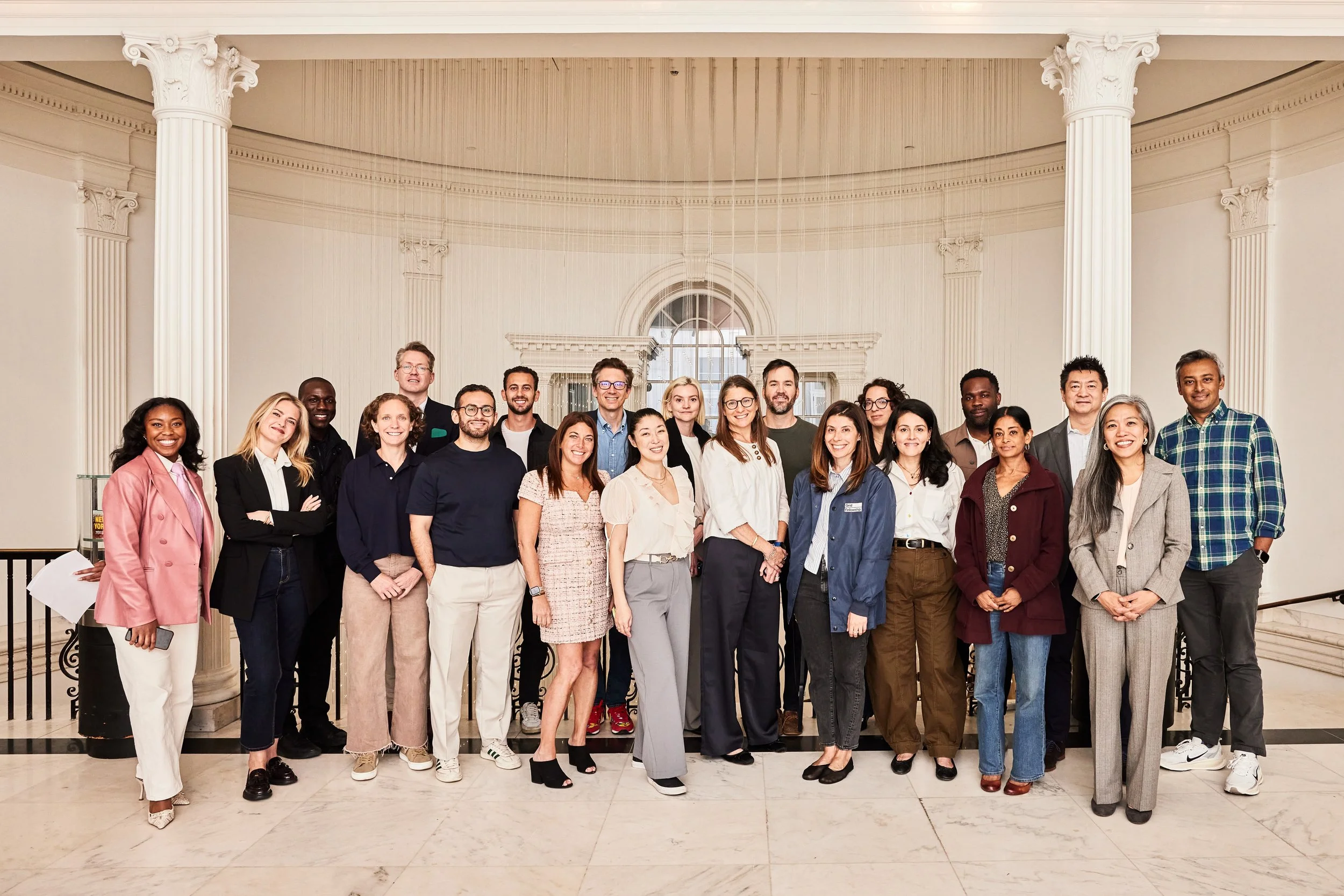
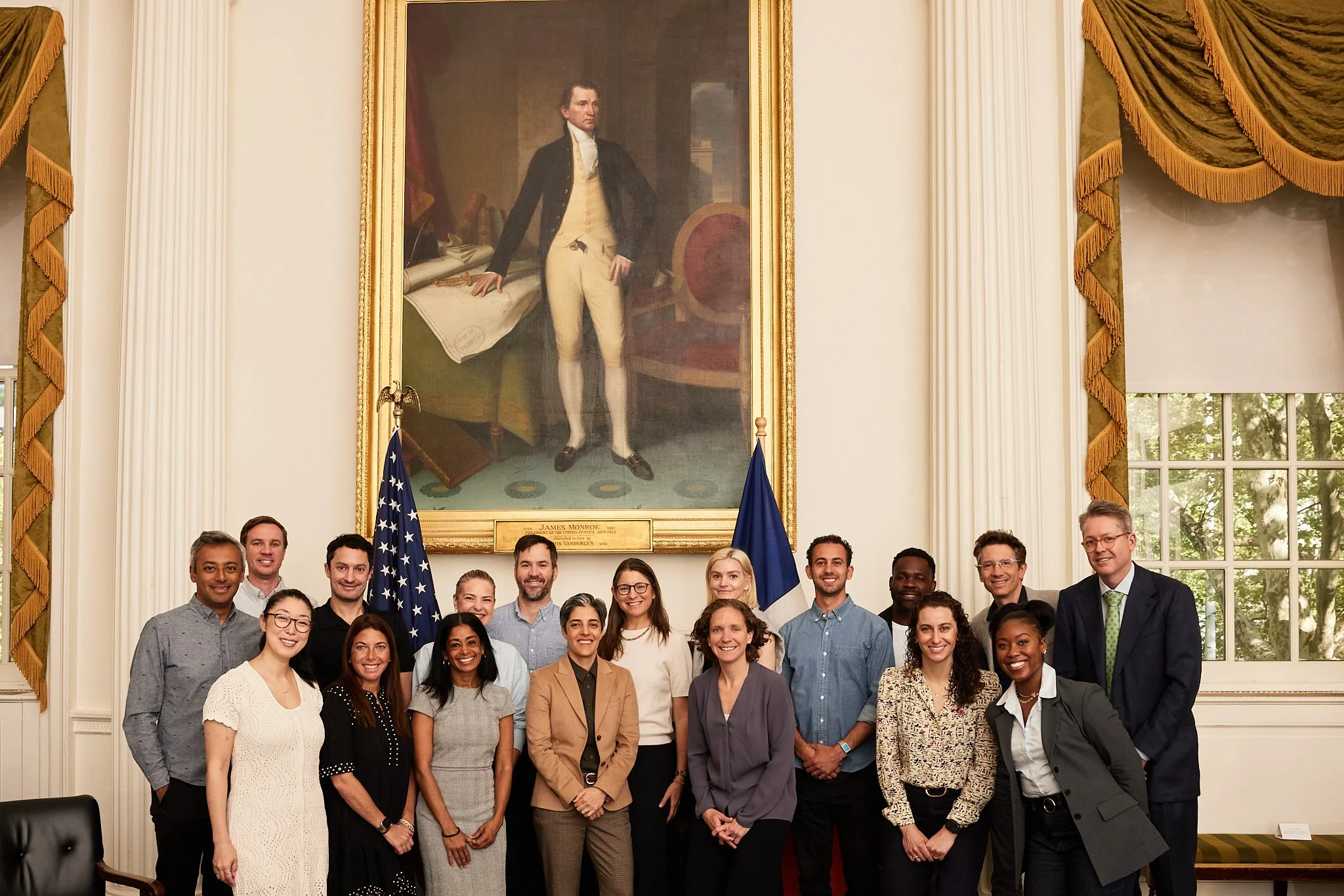
That idea shaped the inaugural Grid Fellowship, Tech:NYC’s civic leadership program designed to expose technology leaders to the systems and civic actors that shape life in the greatest city in the world. The goal is simple: To create a pipeline of leaders who understand the operations of the world’s greatest city and equip them with the networks and knowledge to build a better New York.
Over nine months, fellows explored how New York works — from transportation and housing to sanitation, public-private partnerships, and more — and heard from the leaders managing some of the city’s most complex challenges.
Here’s a look at some of the learnings from the inaugural cohort.
New York Runs on Invisible Systems
Most New Yorkers rarely think about infrastructure – wastewater treatment plants, sanitation garages, signaling systems, food distribution centers, or procurement workflows — unless something breaks. The Grid Fellows spent much of the year in this operational backbone of the city, learning about the thousands of decisions made correctly every day.
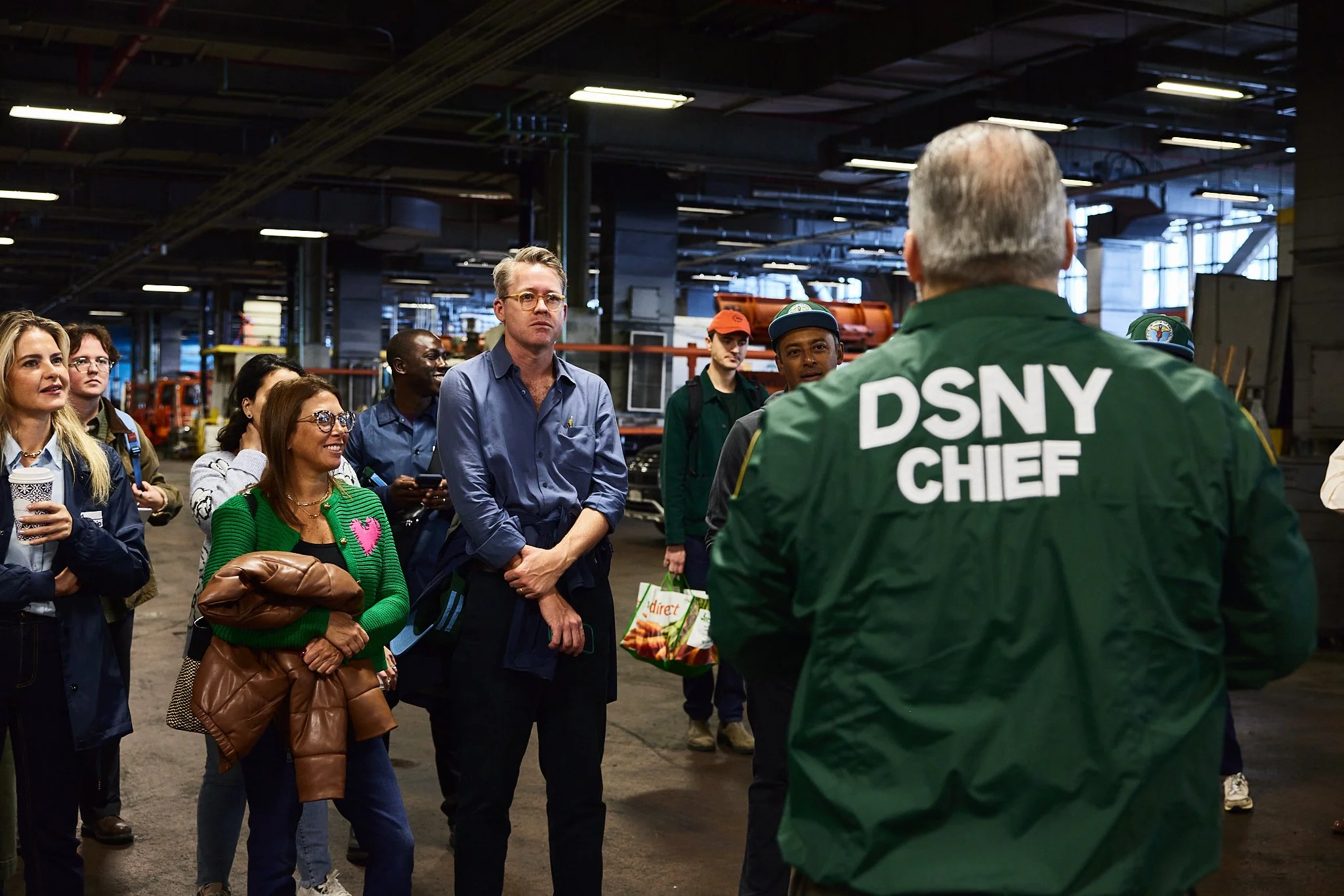
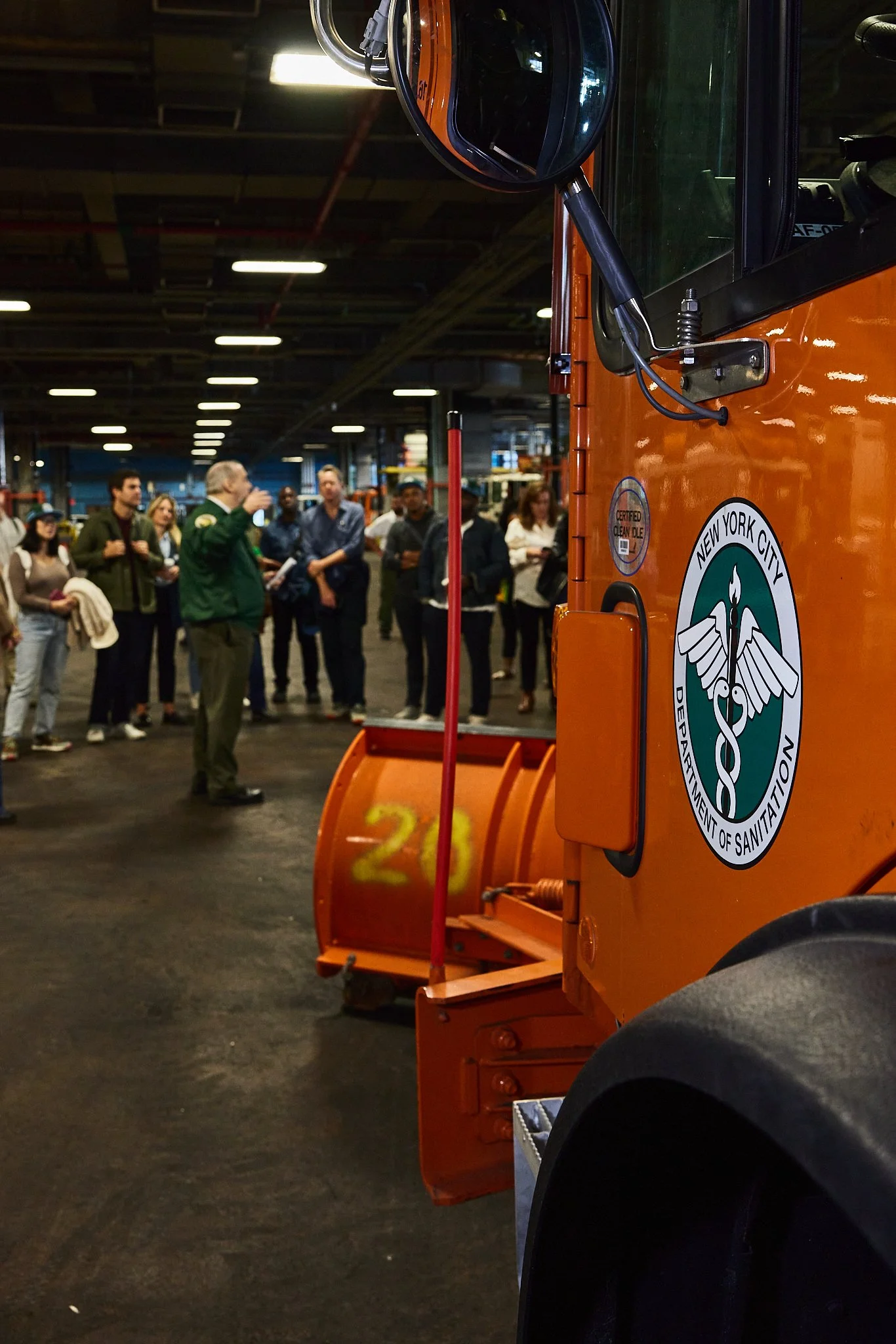
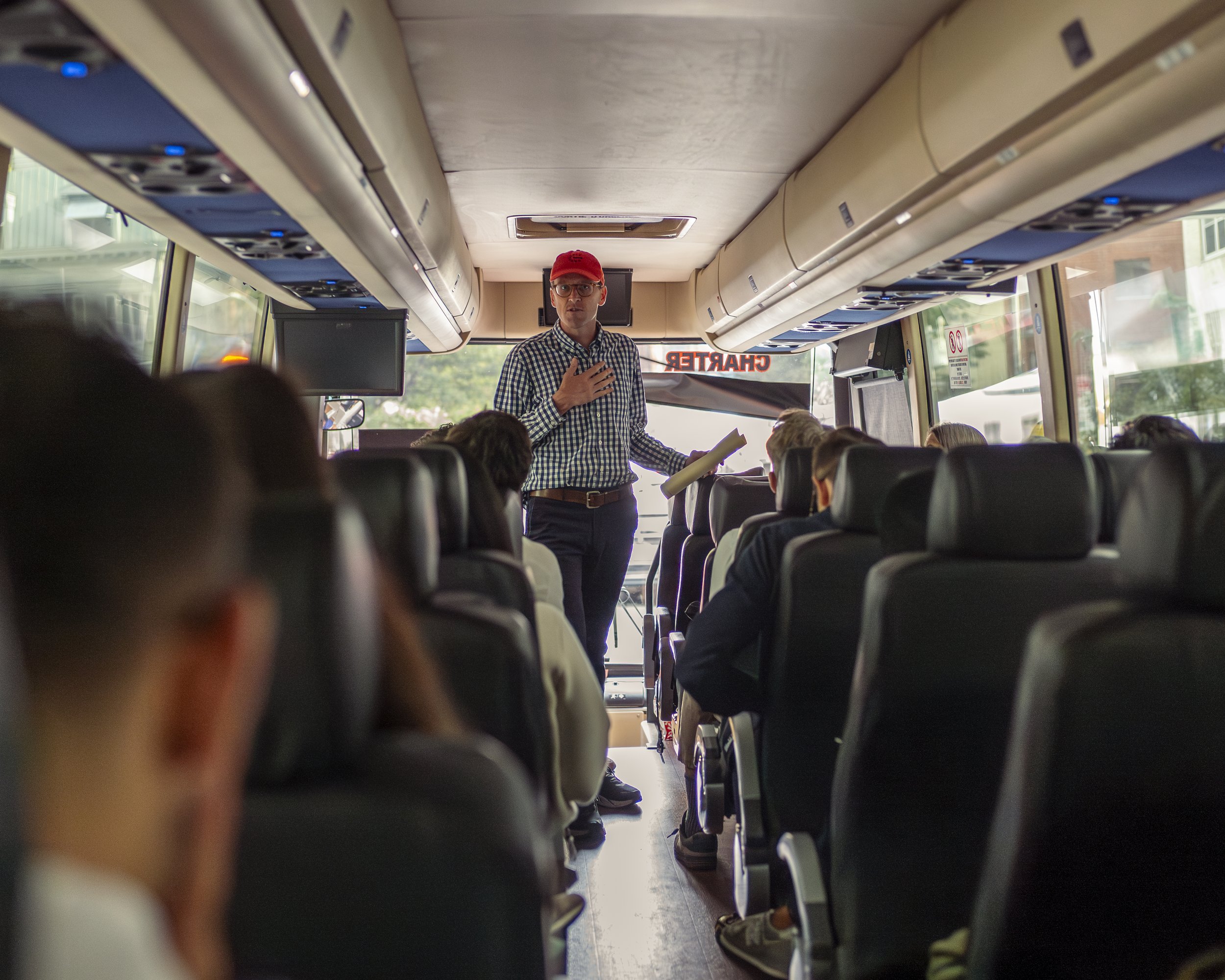
We were at the NYC Department of Sanitation (DSNY) Central Repair Shop and the Spring Street Salt Shed with Acting Commissioner Javier Lojan in October, touring street fleet operations and snowplows just a few months before they were deployed to tackle the winter’s heavy snowfall.
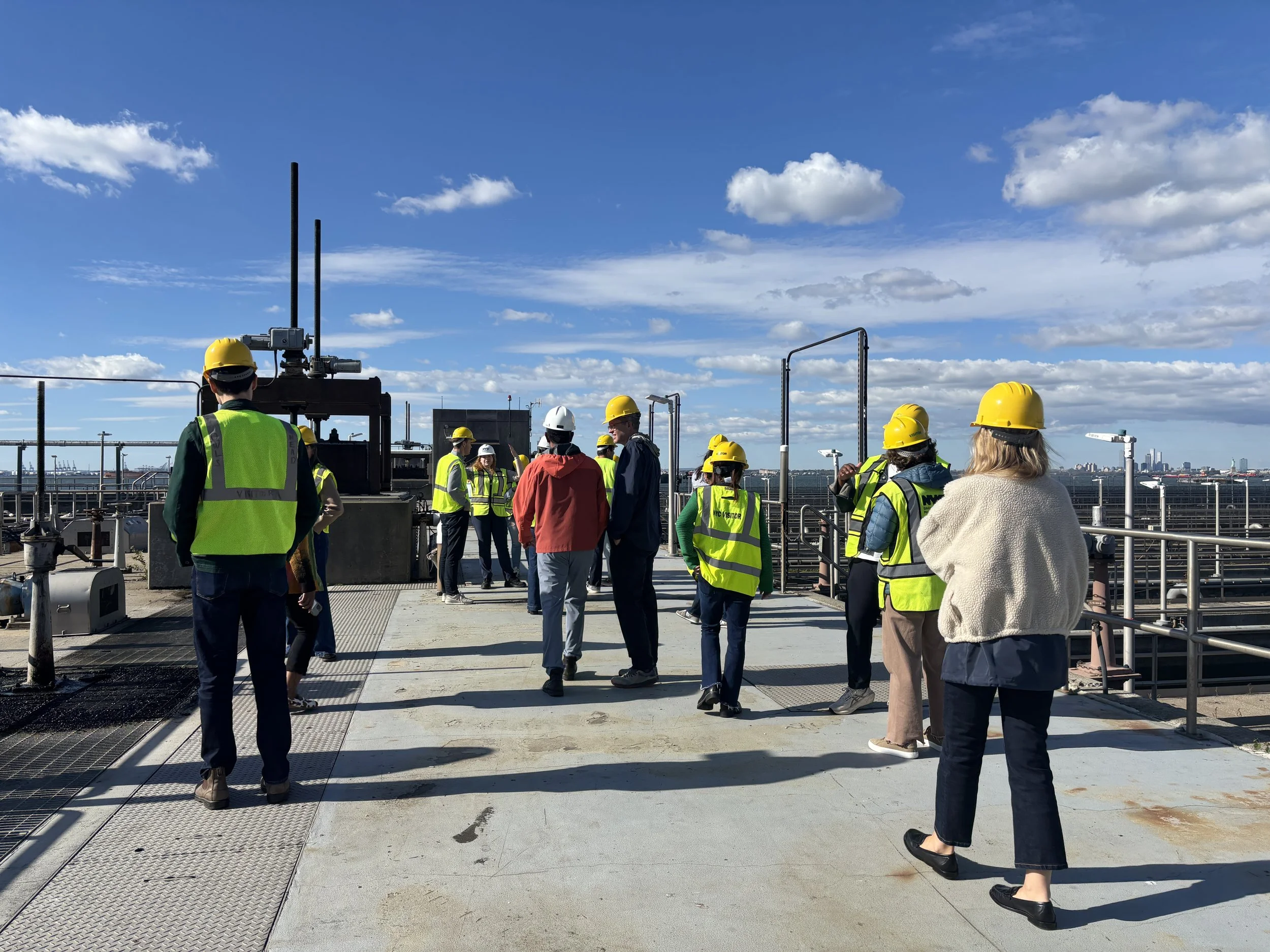
At the NYC Department of Environmental Protection (DEP) Owls Head Wastewater Resource Recovery Facility, fellows joined Commissioner Rohit Aggarwala and his team at the plant that processes more than 120 million gallons of water daily.
Photos: Elvin Abril
Public Space Is Political
Civic issues in New York often become a negotiation over space.
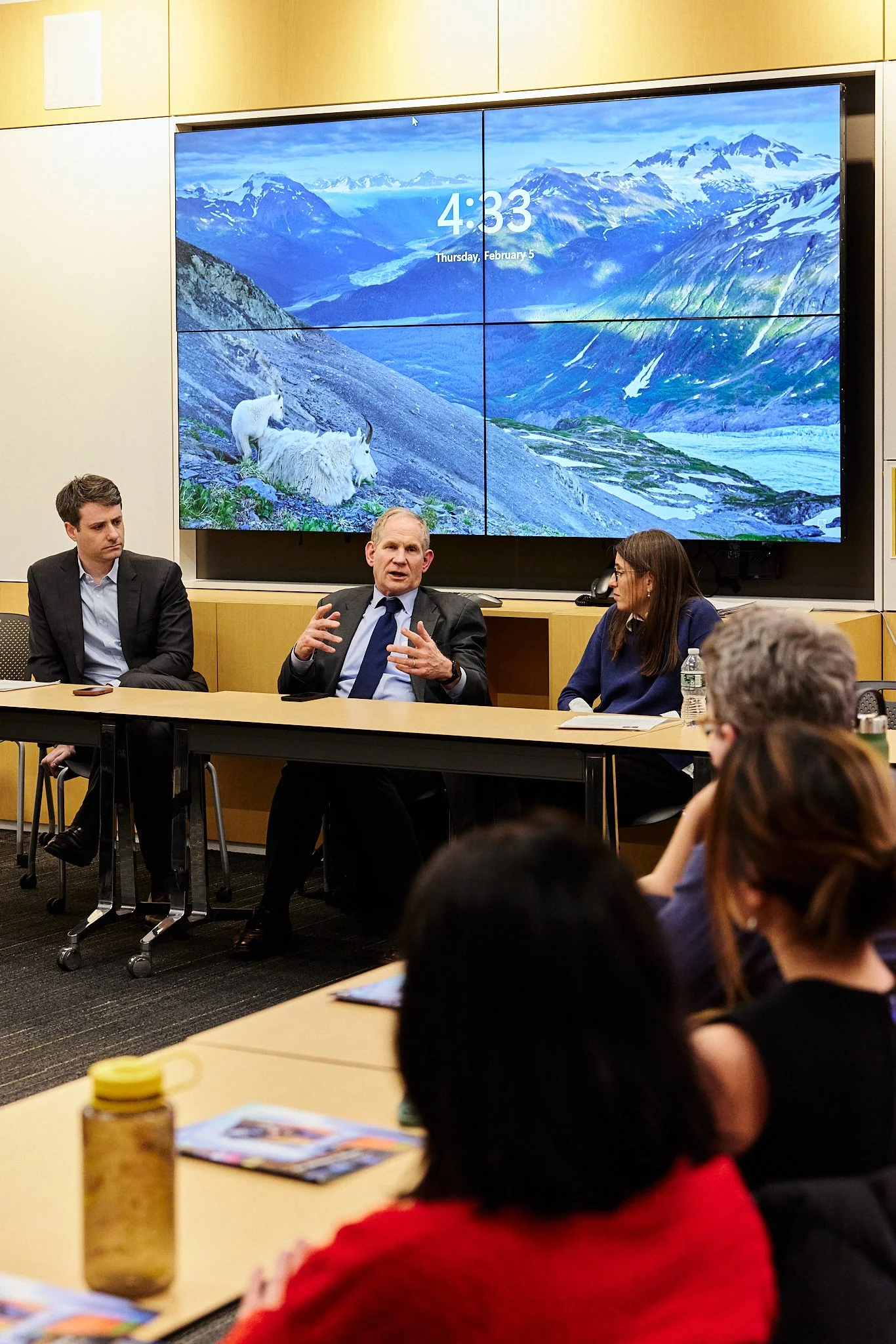
During Transportation Day, the cohort met leaders including MTA Chair & CEO Janno Lieber, NYU Wagner Dean and former U.S. Deputy Transportation Secretary Polly Trottenberg, TrainTime founder Will Fischer, and Union Square Partnership’s Sally Burns.
The conversations underscored how transportation policy involves tradeoffs between mobility and commerce, growth and quality of life, reliability and modernization.
The same tensions emerged in conversations about housing and neighborhood development.
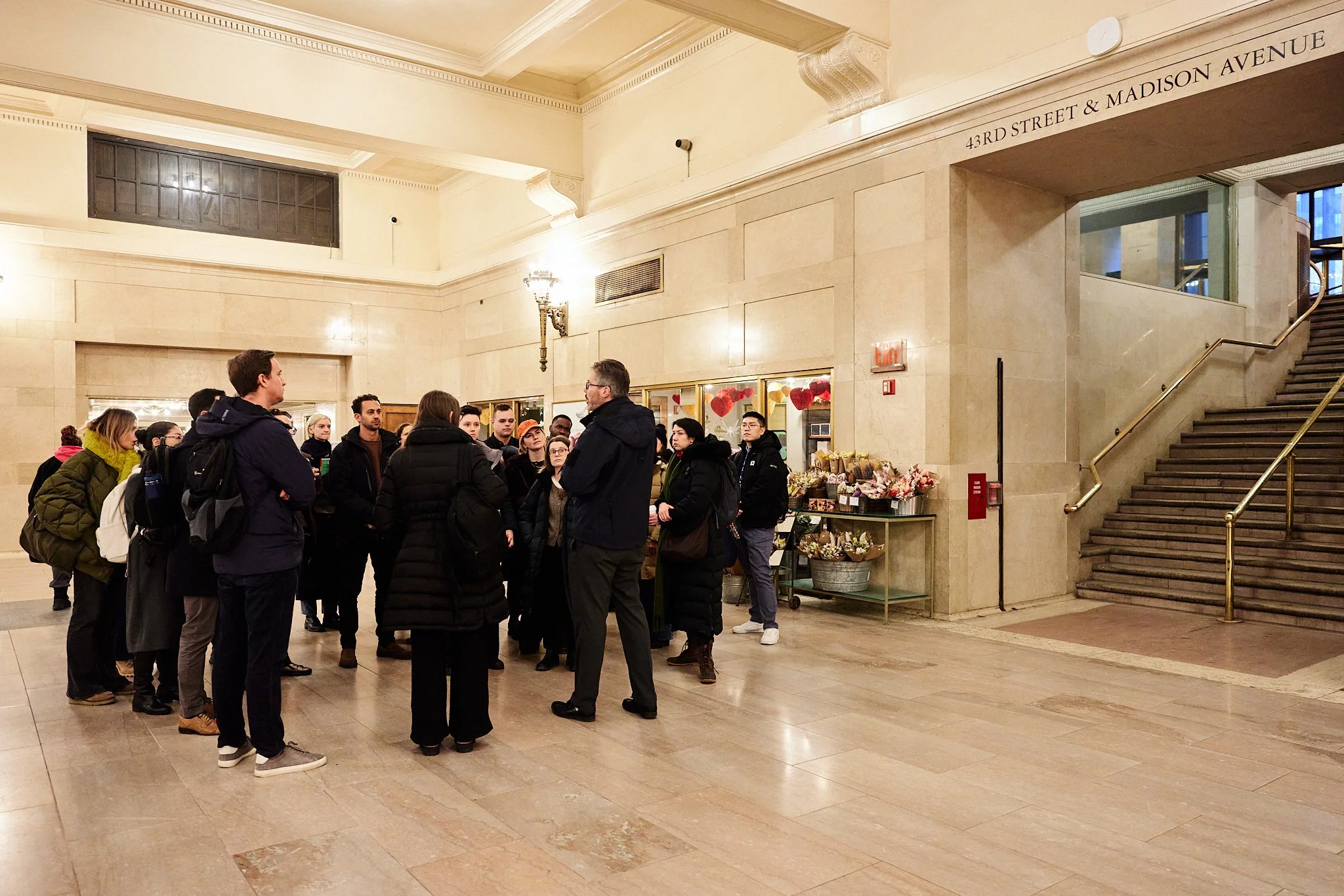
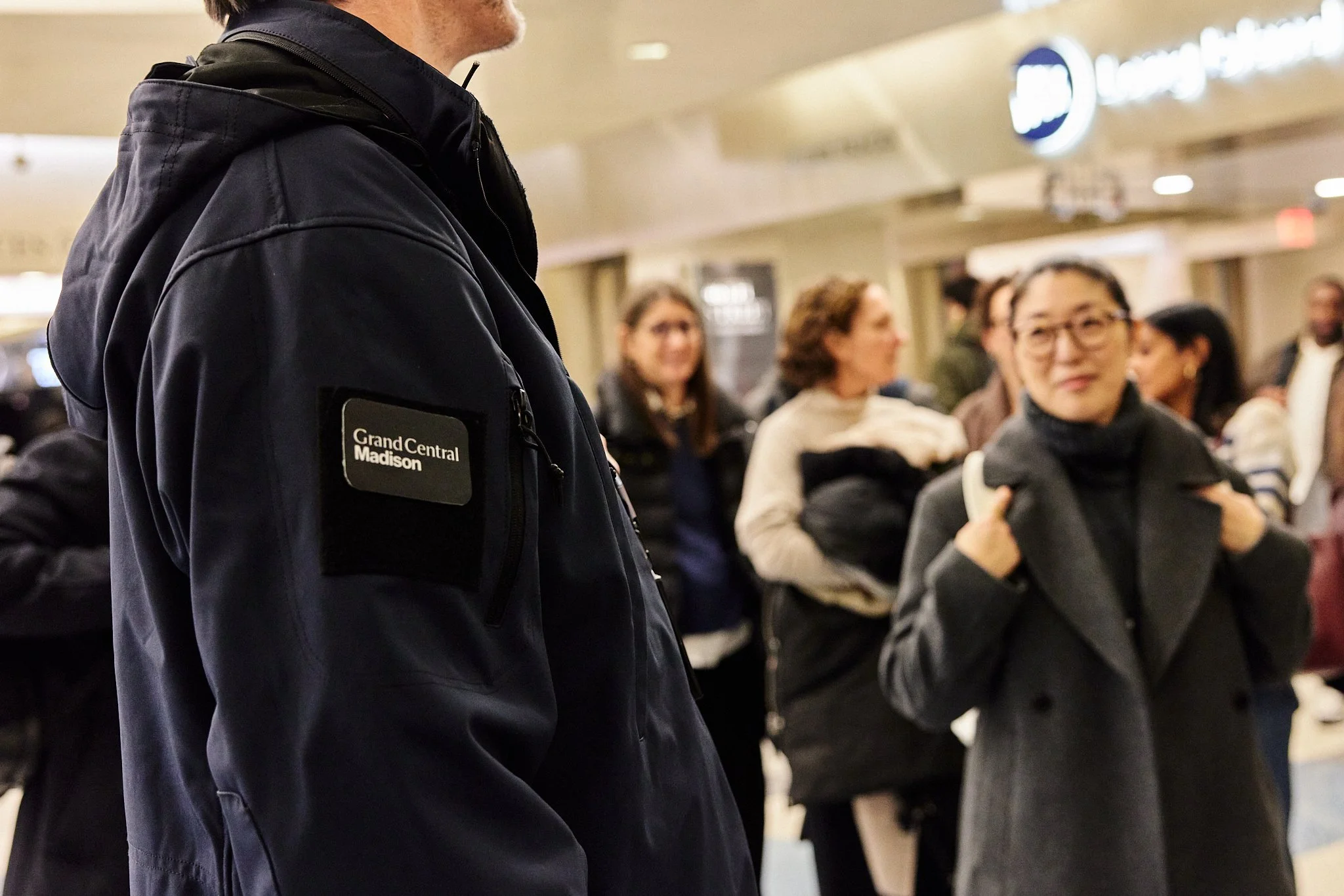
At the Third Avenue BID in the Bronx, fellows heard from its Executive Director Pedro Suarez about balancing revitalization with concerns around displacement.
At Bronx Point, they saw how affordable housing and cultural investment were interconnected with identity and belonging.

Photos: Elvin Abril
Government Innovation Moves Differently Than Startups
Civic systems can move slowly, but public institutions operate under fundamentally different incentives than the private sector. Agency leaders and policymakers repeatedly emphasized that institutional caution is often rooted in scale and consequence – a system must reliably serve the millions of people who depend on it every day.
At the same time, fellows saw enormous opportunities for innovation inside government, particularly around operations, procurement, and service delivery.
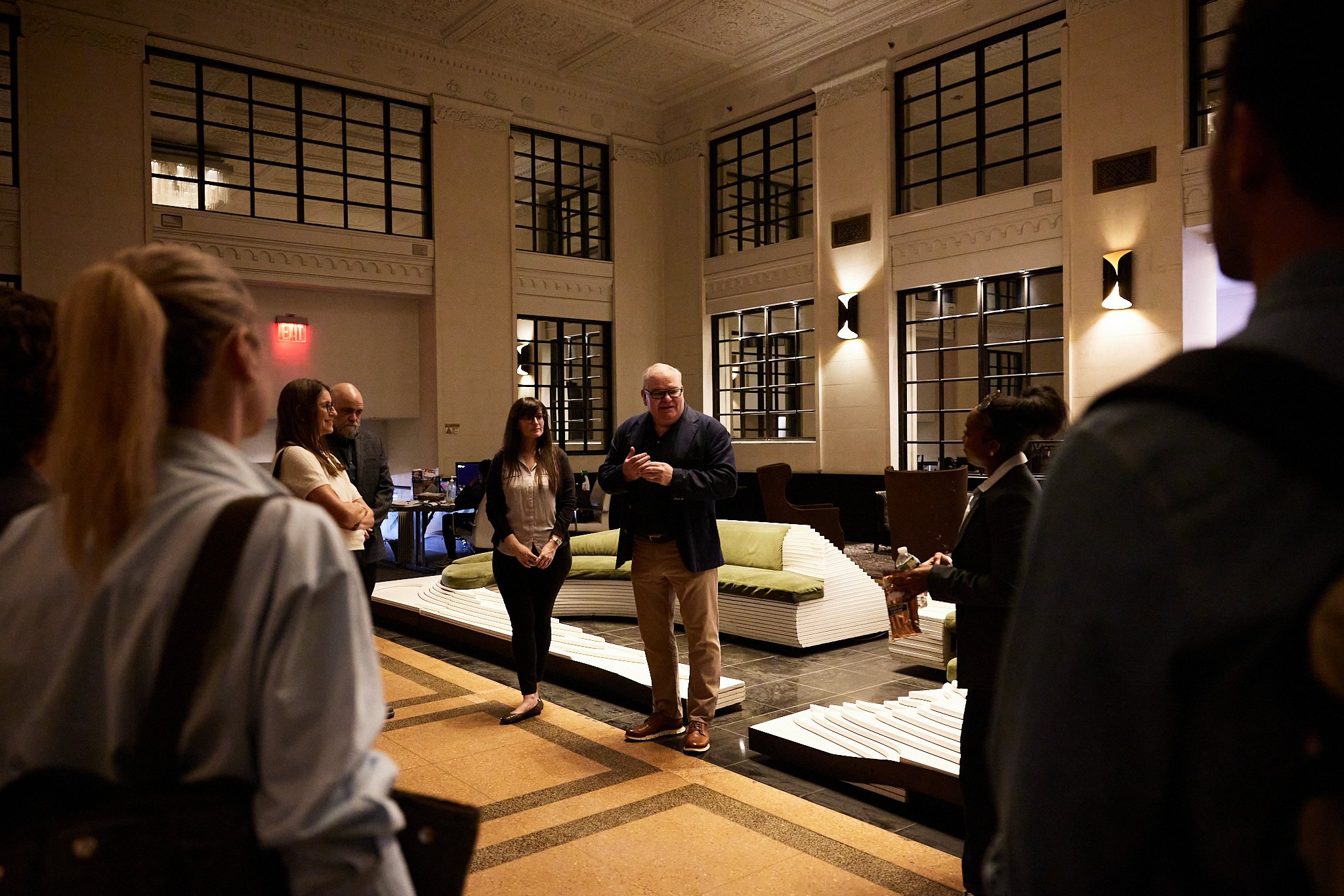
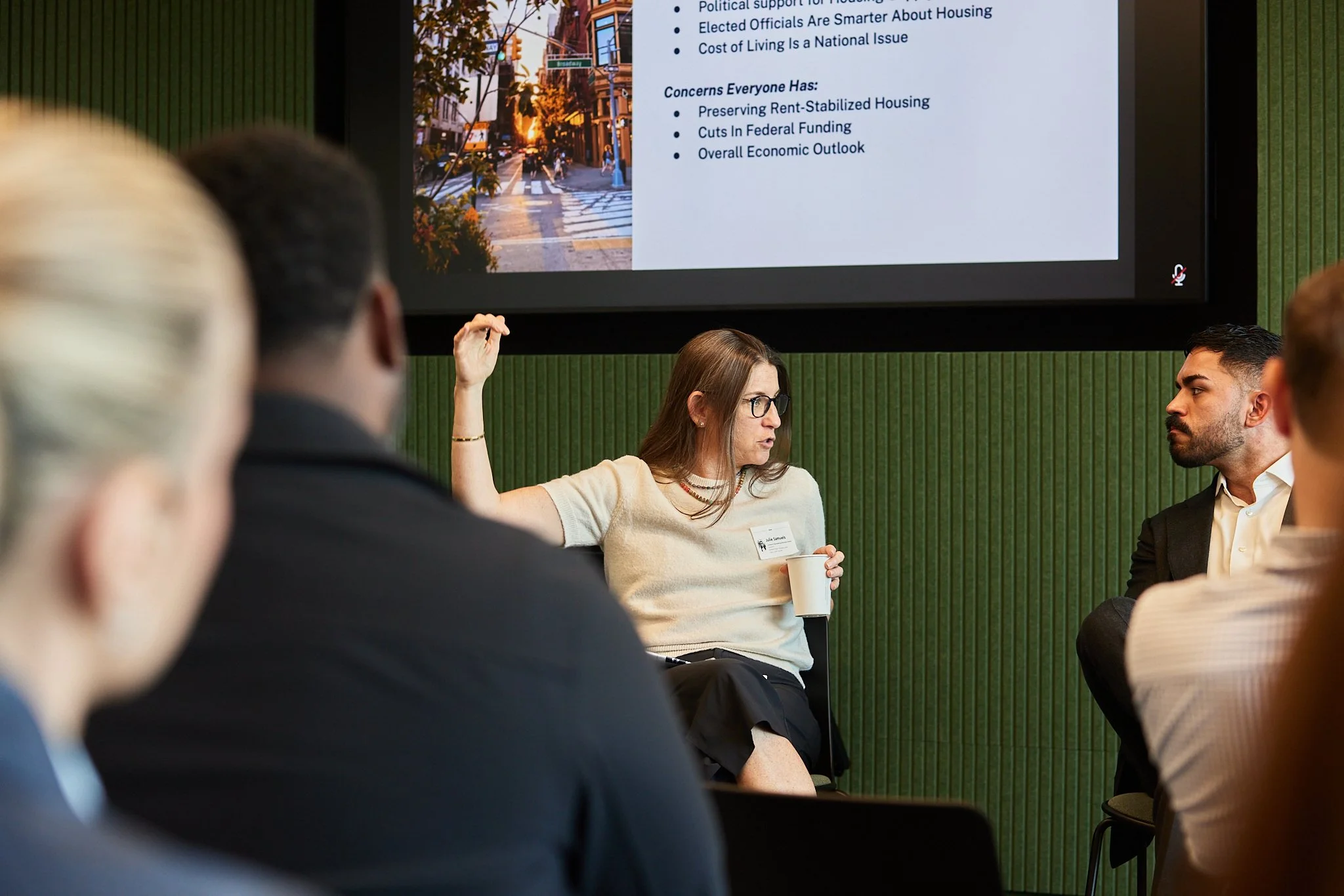
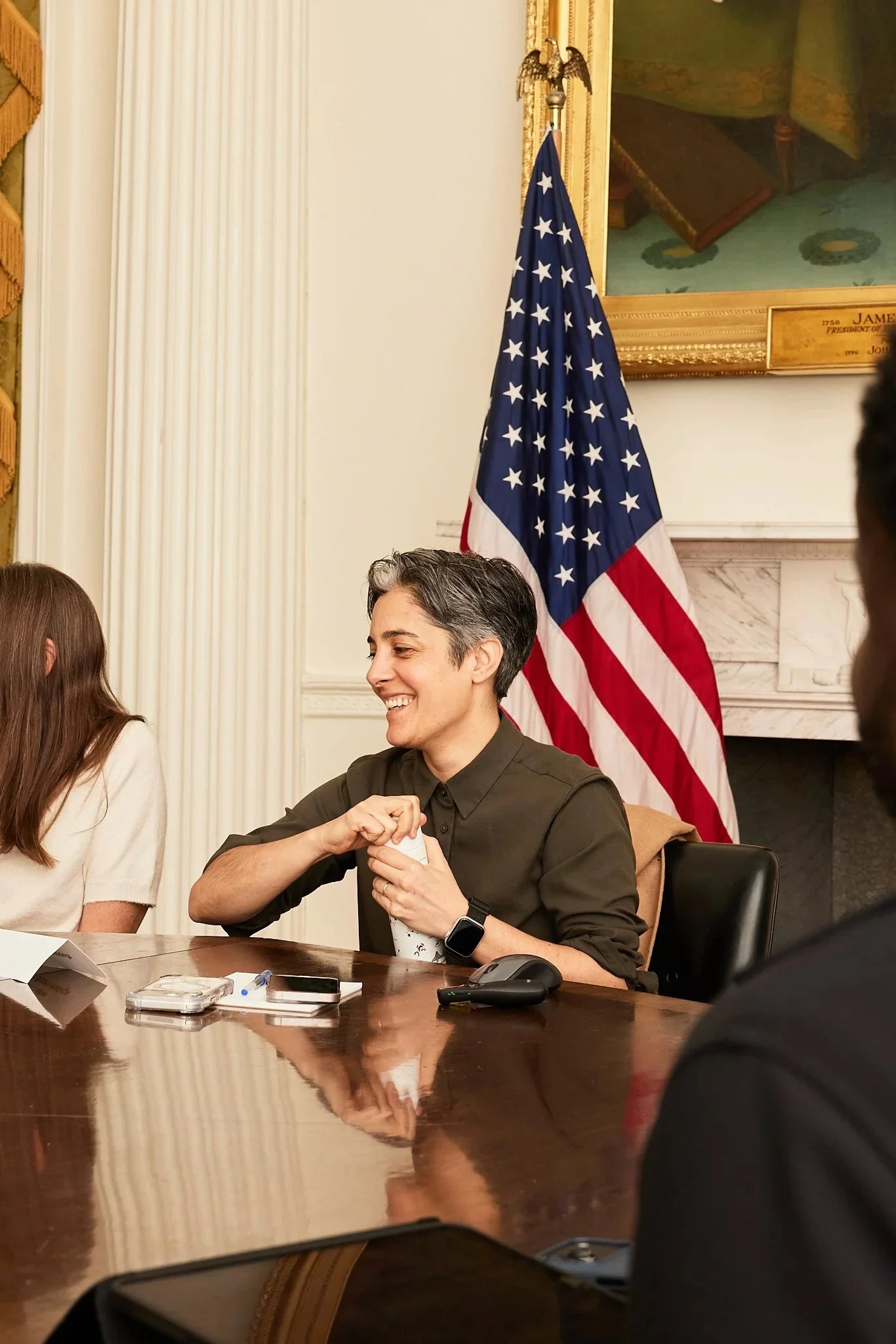
During conversations about New York’s housing crisis, Deputy Mayor for Housing and Planning Leila Bozorg, NYU Furman Center Executive Director Brad Greenburg, and New York Apartment Association CEO Kenny Burgos unpacked the complexity behind housing policy — from zoning and financing to the economics of rent stabilization.
Photos: Elvin Abril
Technology and Government Are Intertwined
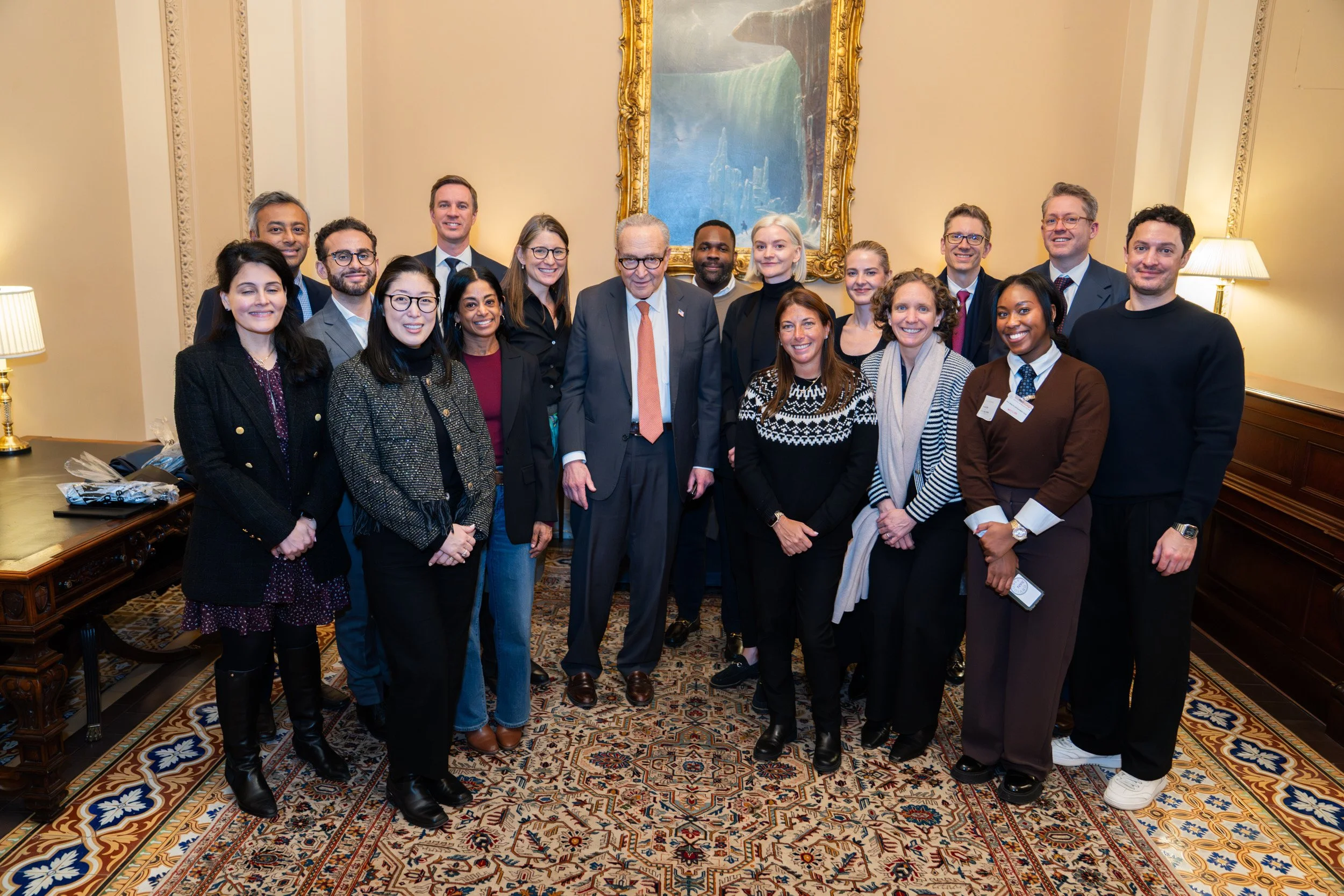
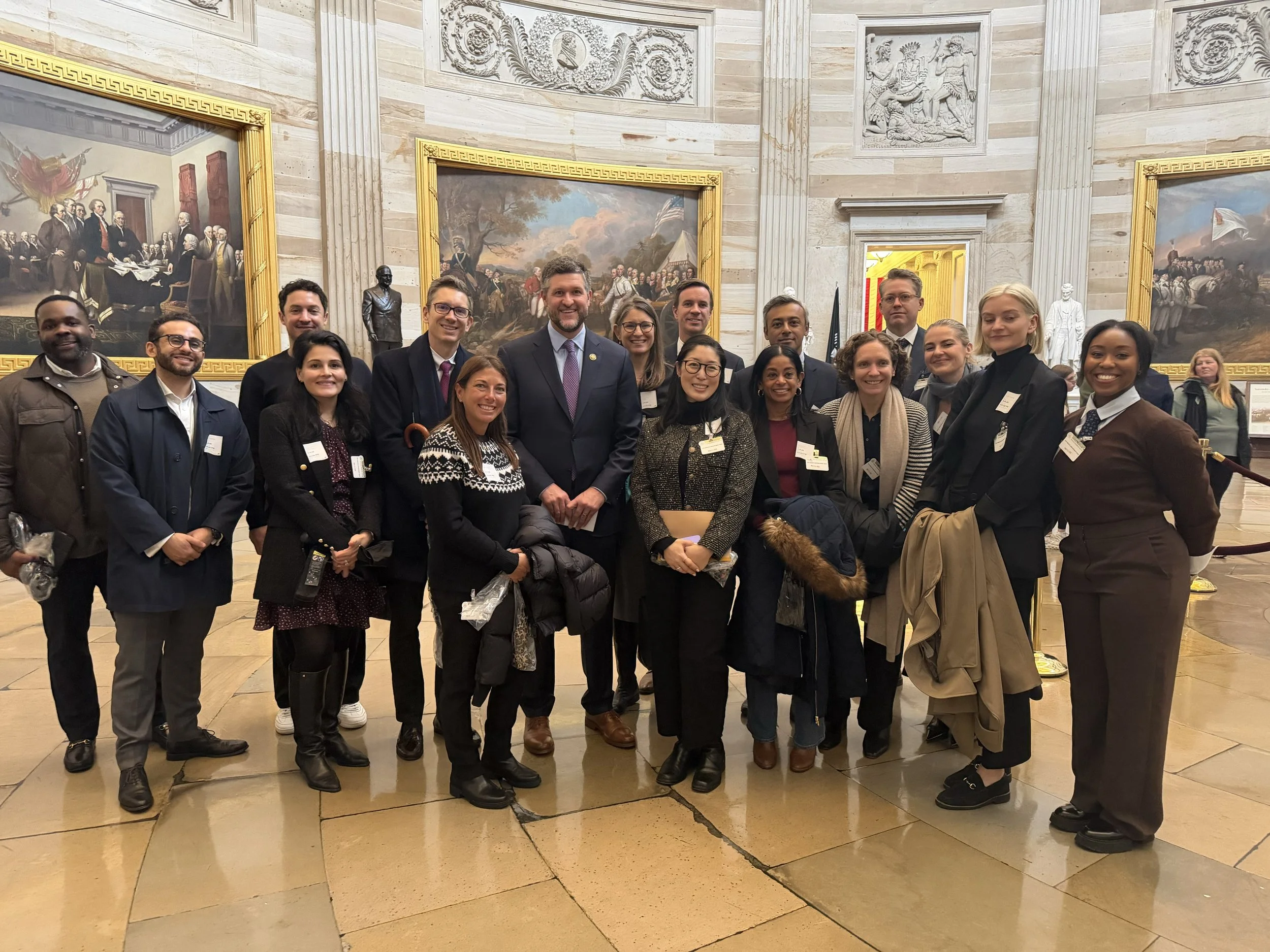
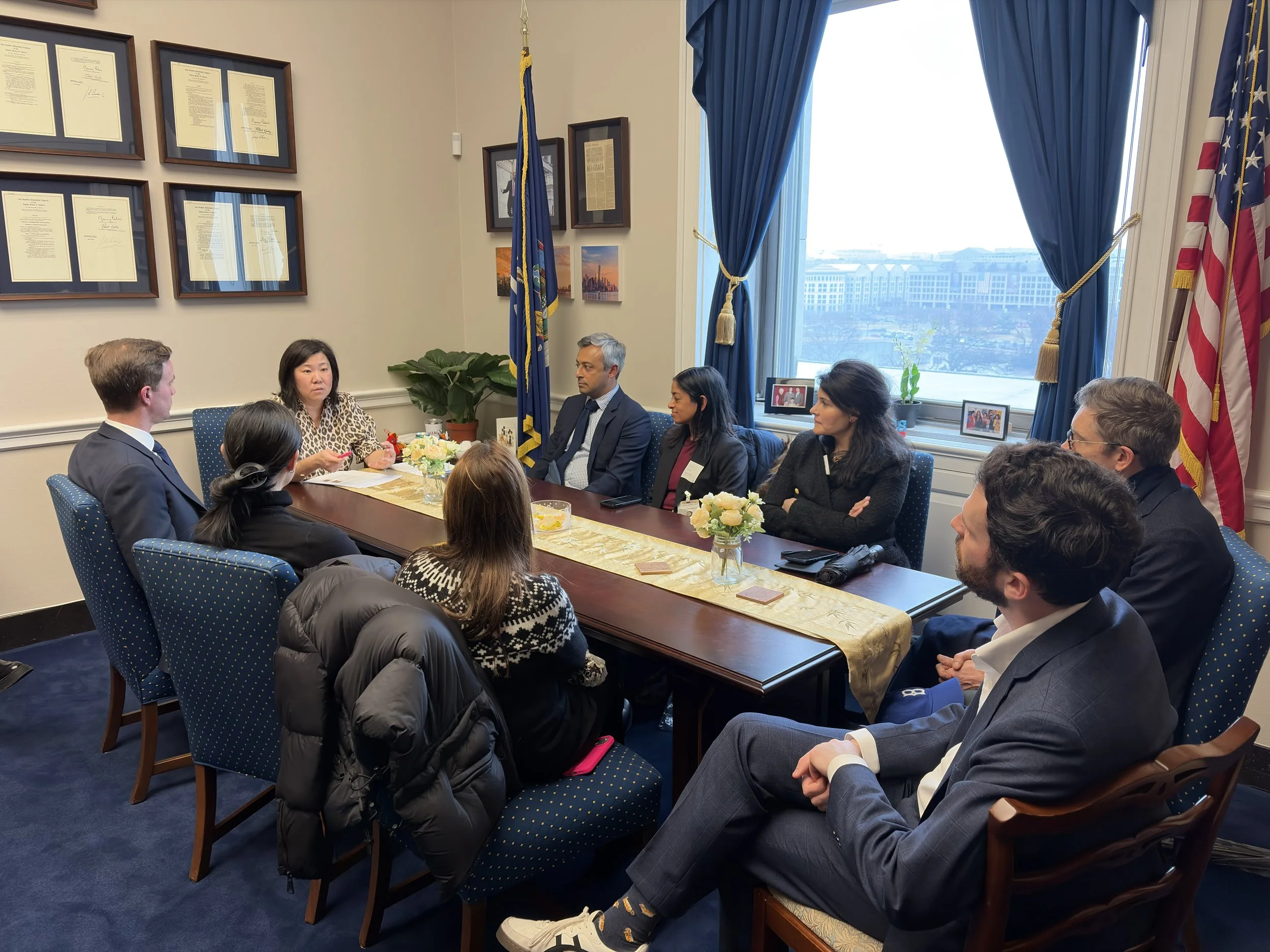
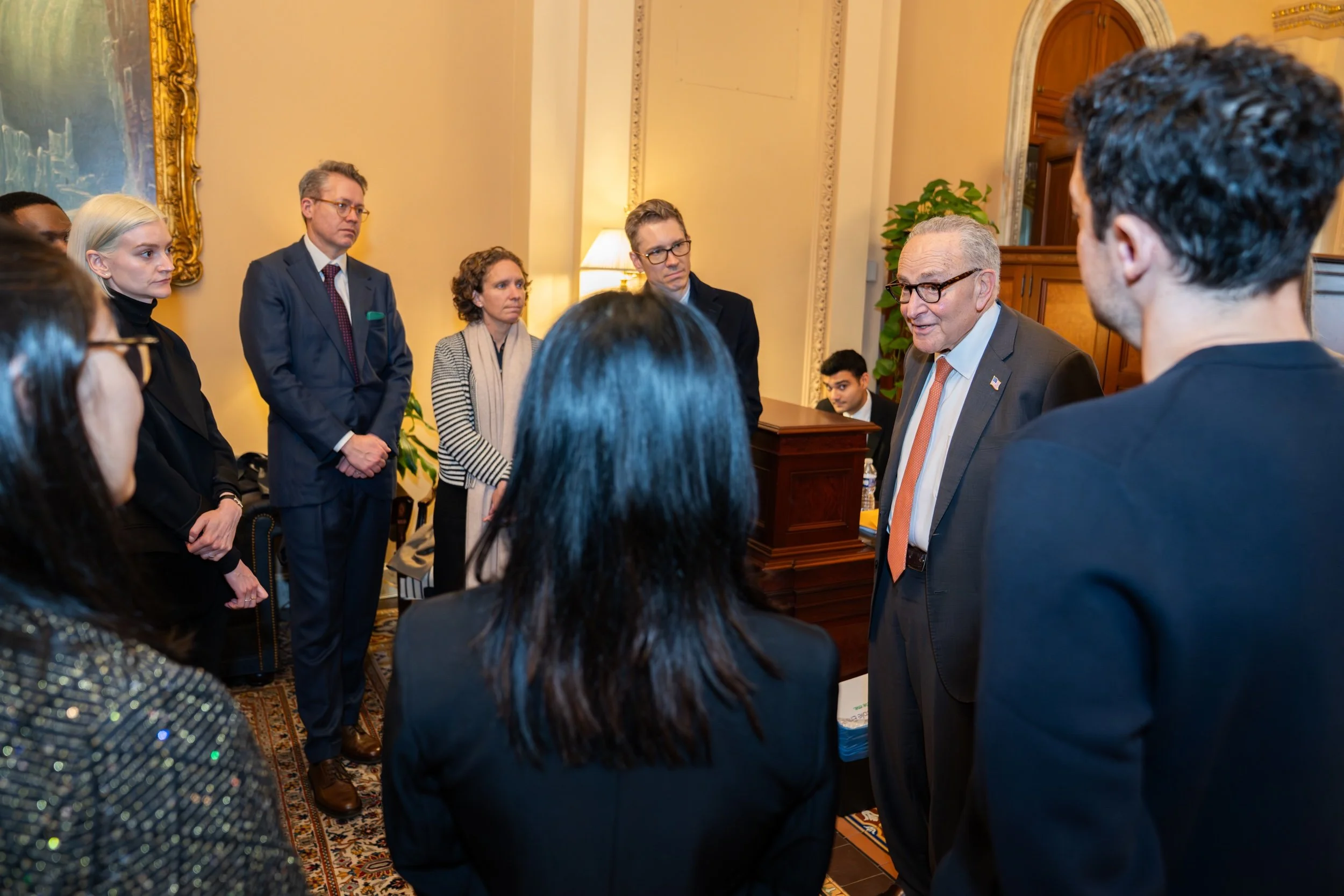
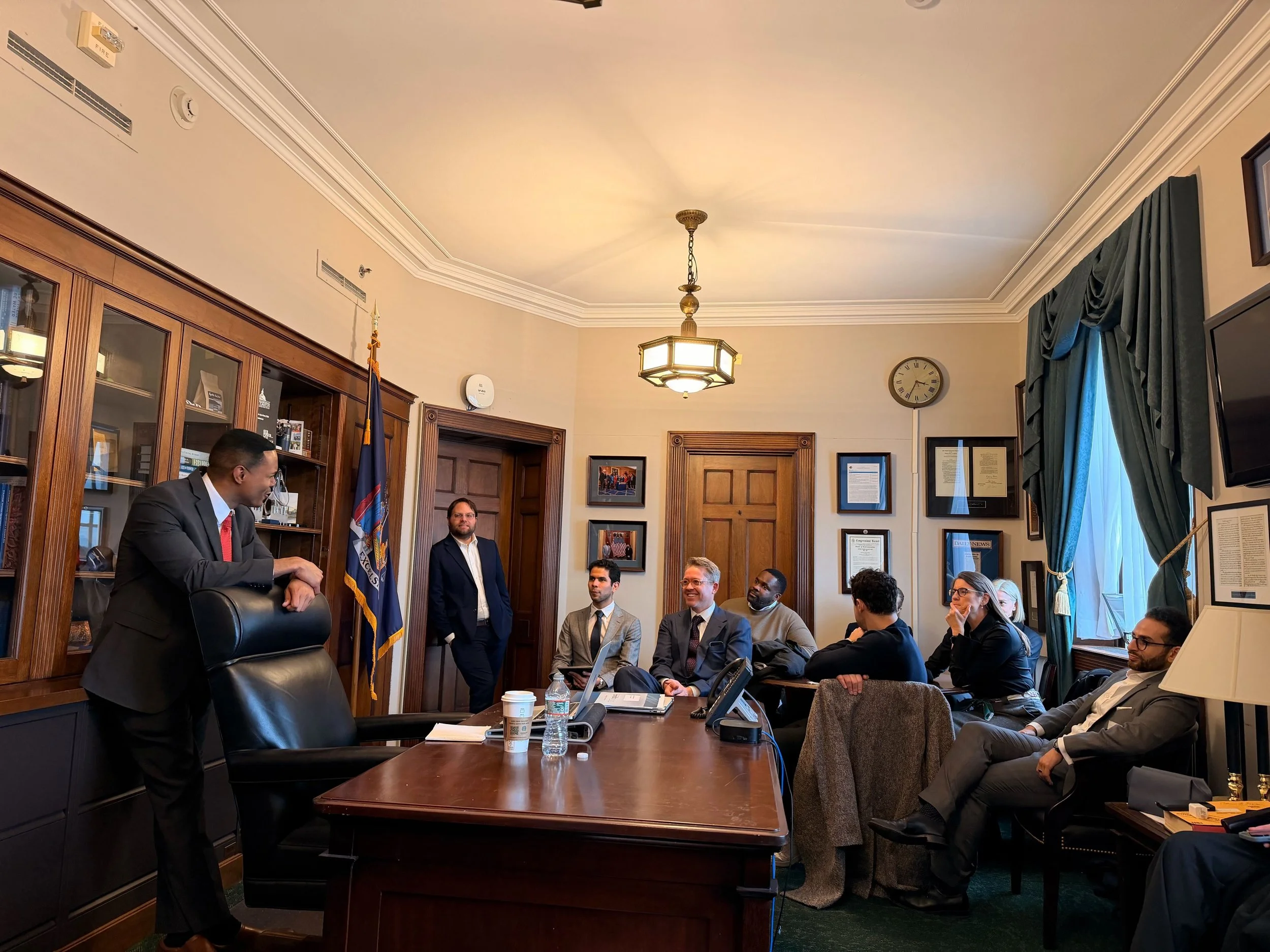
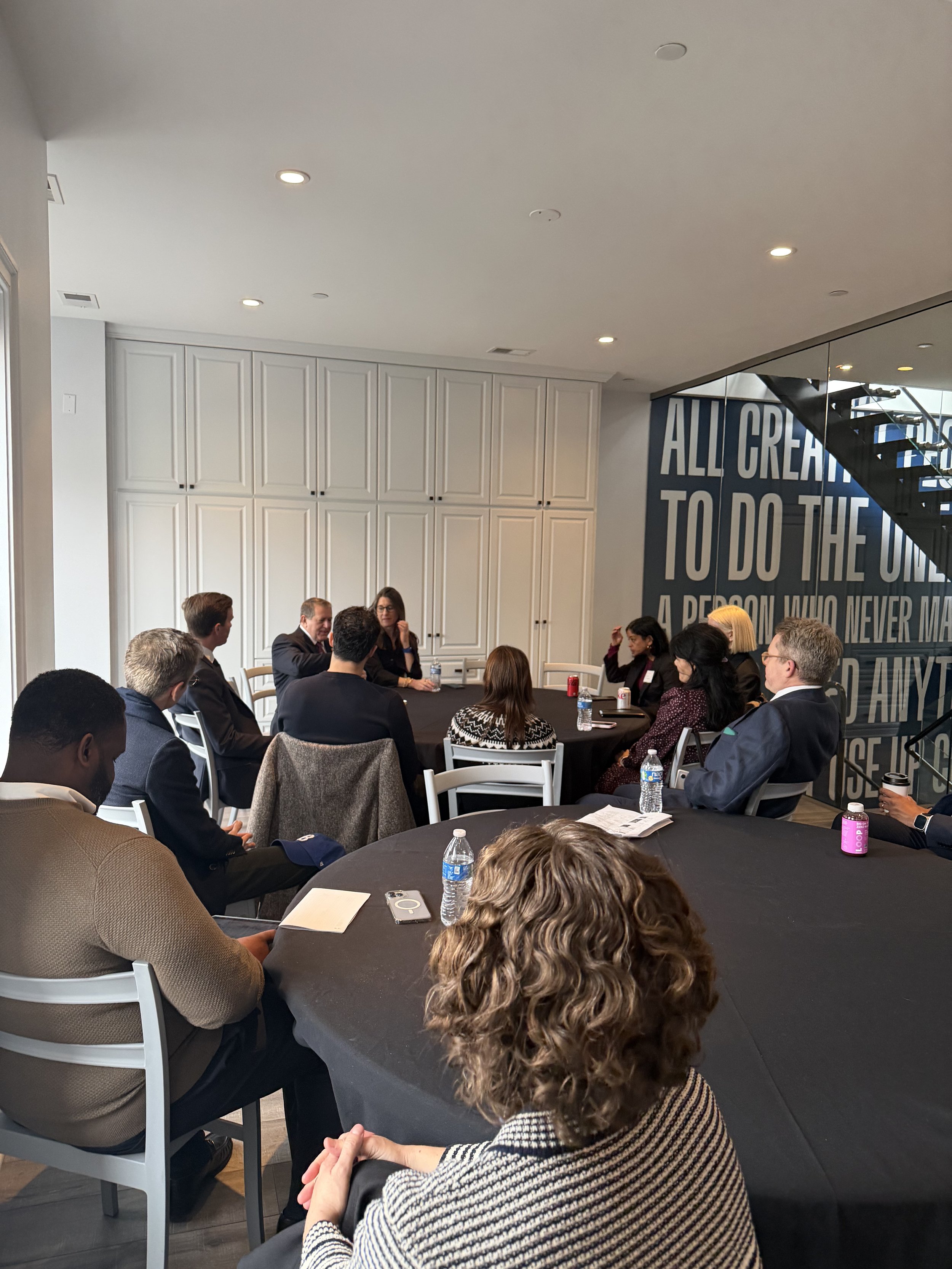
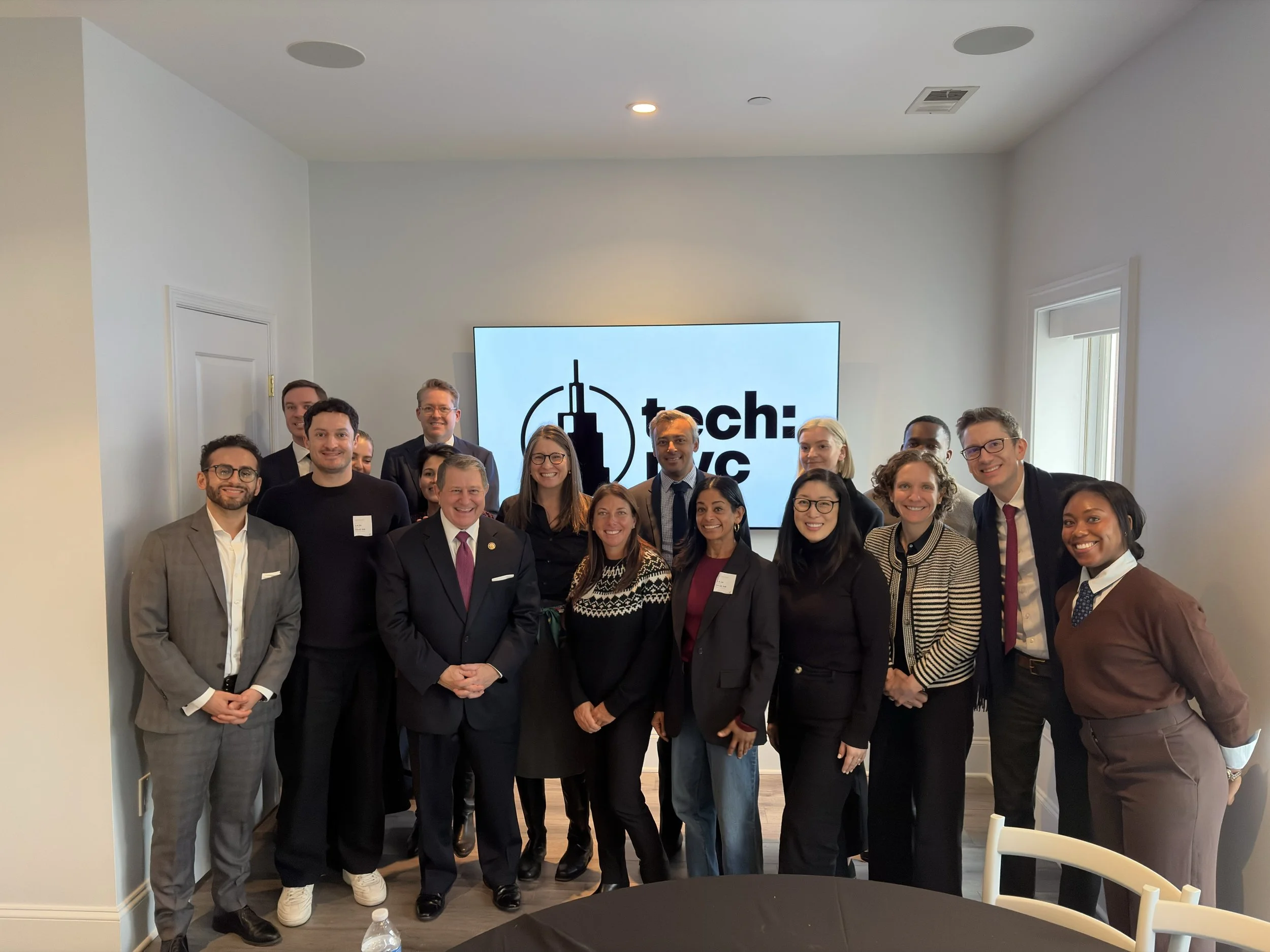
In March, the cohort headed to Capitol Hill. The day of meetings in Washington, DC, showed how technology policy is now economic policy, labor policy, national security policy, and civic policy all at once.
Fellows met with Senate Minority Leader Chuck Schumer, Representatives Pat Ryan, Joe Morelle, Ritchie Torres, and Grace Meng, senior advisors to House Democratic leadership, Airbnb’s Jay Carney, and Consumer Technology Association (CTA)’s Michael Petricone to discuss AI, workforce disruption, federal research investment, and the race between innovation and policymaking capacity.
As policy works to keep pace with the speed of technological change, engagement from industry leaders who understand these systems firsthand is critical.
Photos: Tech:NYC
Public-Private Partnerships Shape New York
New York’s biggest breakthroughs happen through coalitions between government, nonprofits, universities, labor, philanthropy, and industry.
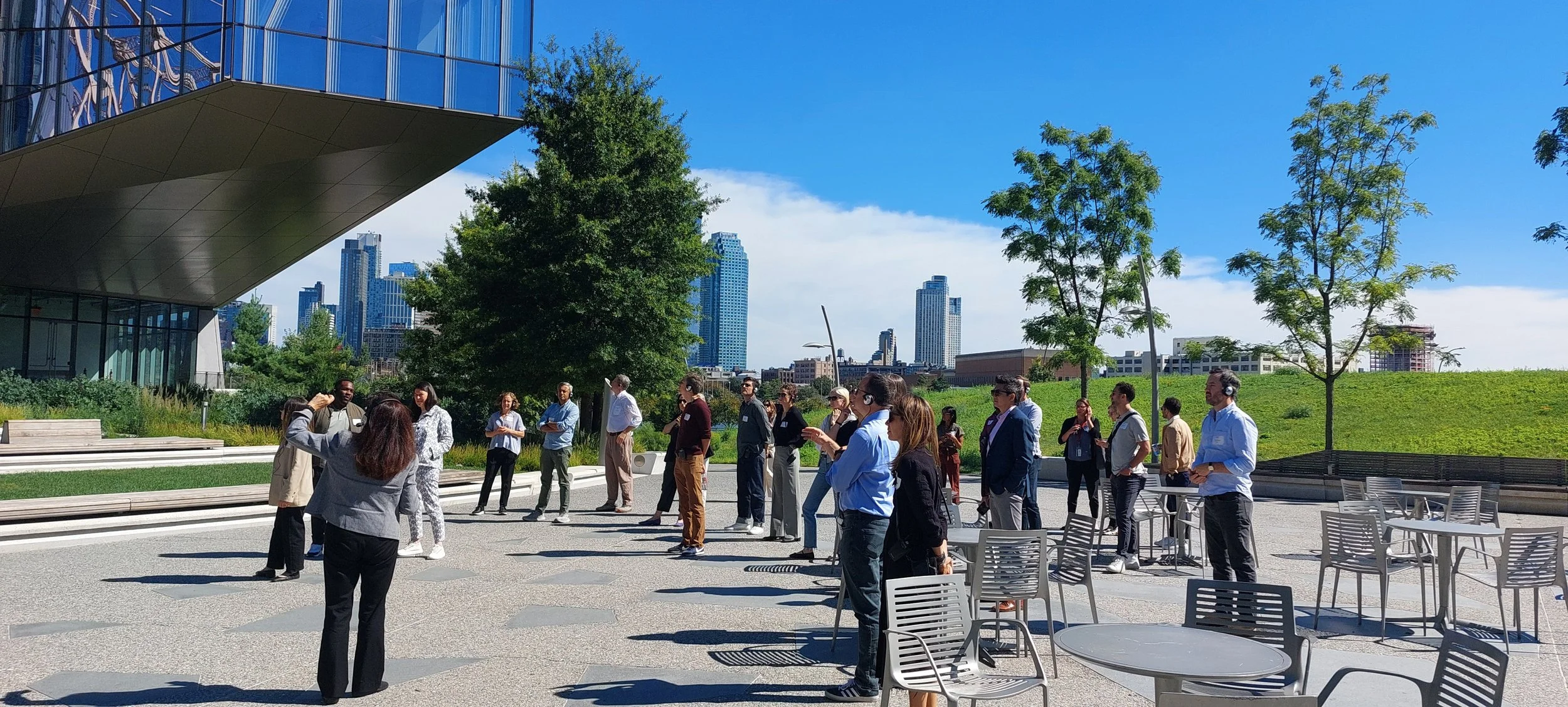
The fellowship began at Cornell Tech, one of the clearest examples of how public-private collaboration can shape a city.
Former NYCEDC President Seth Pinsky and Cornell Tech Dean Greg Morrisett walked fellows through the creation of the Roosevelt Island campus, from the Bloomberg administration’s vision to the competitive process that helped establish New York as a global technology hub.
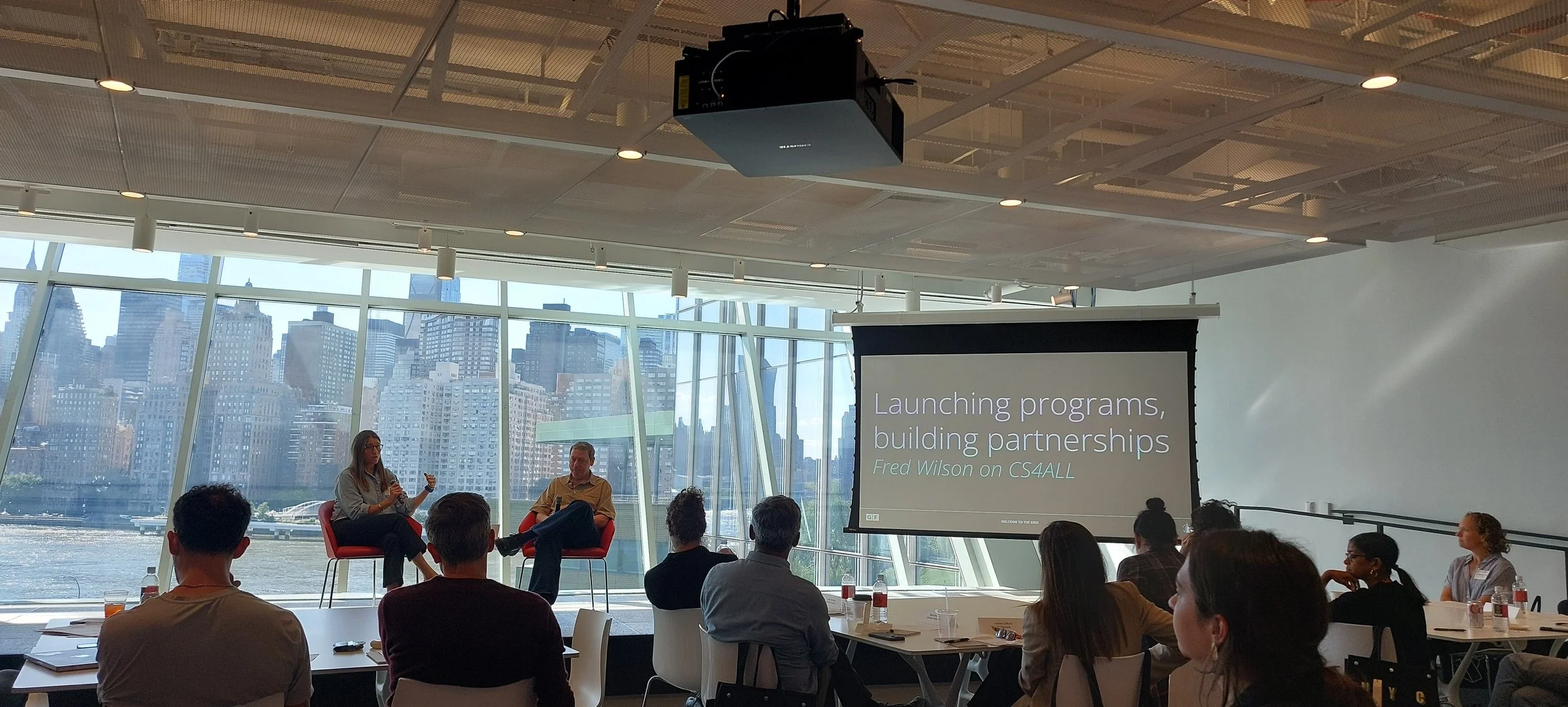
Fred Wilson of Union Square Ventures reflected on his work launching CS4All – the program committed to equitable access to computer science education for students – sharing lessons on navigating government systems and building coalitions. This was a theme that continued throughout the year.
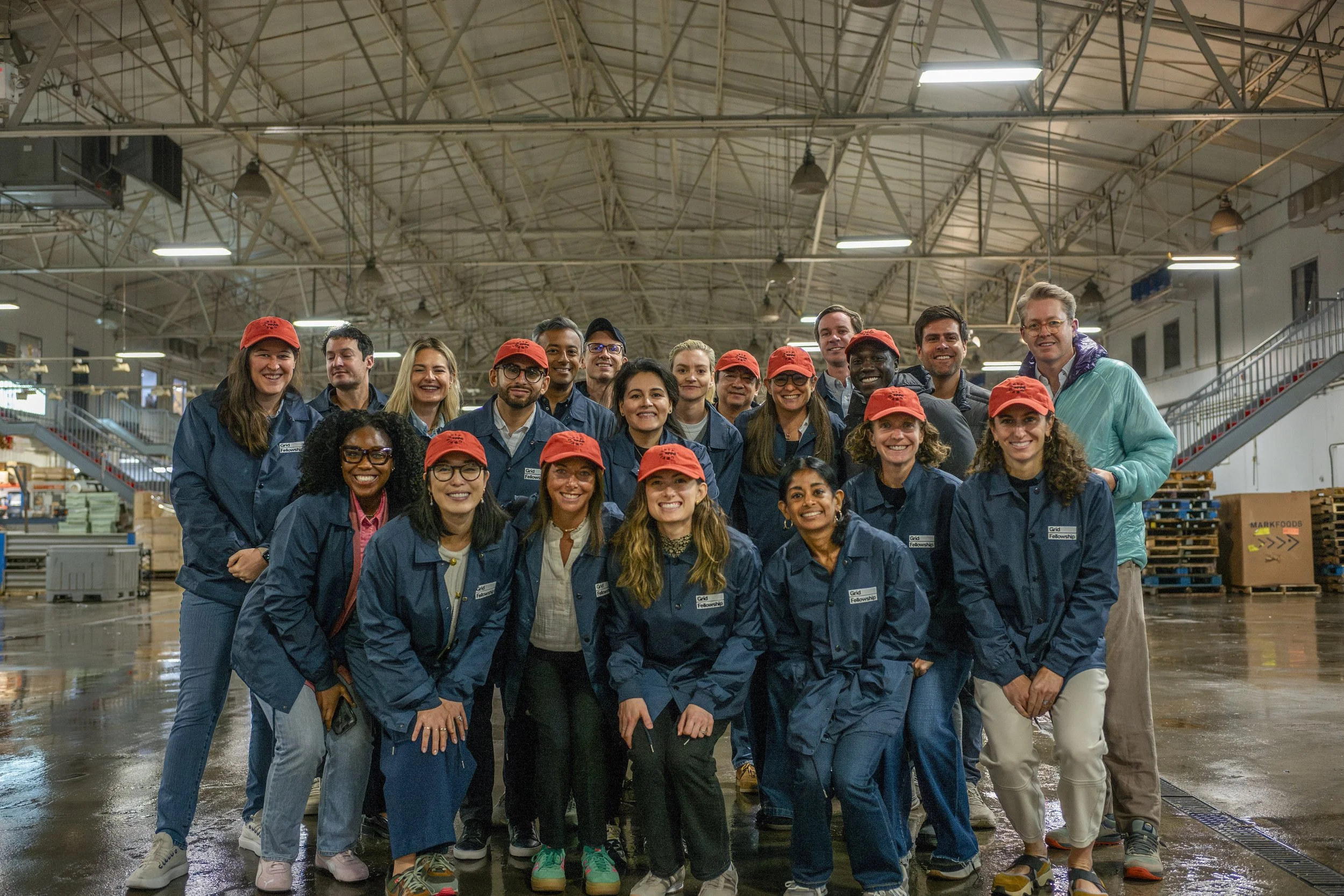
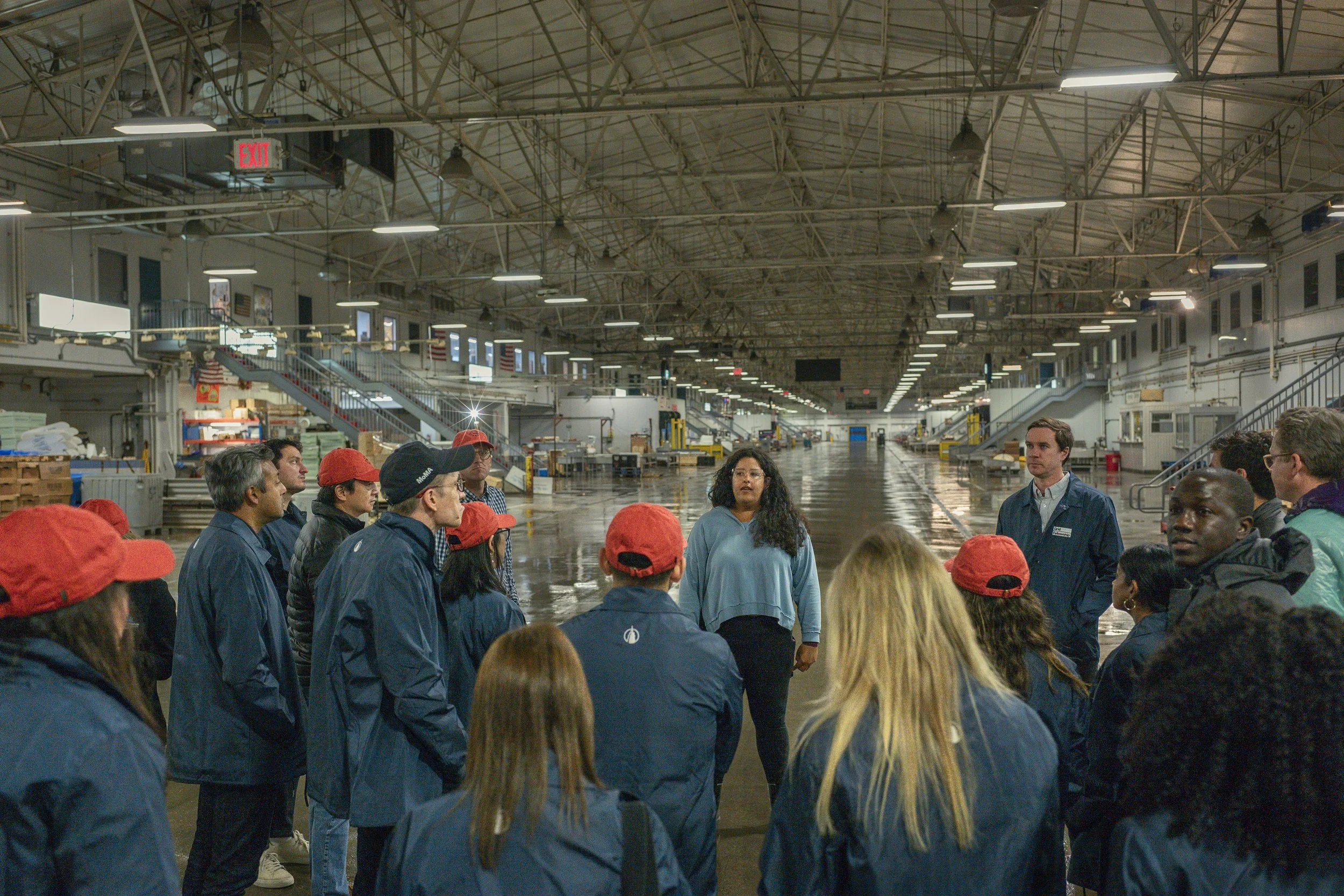
At the former Stewart Hotel, fellows toured nonprofit Breaking Ground’s conversion of an underutilized Midtown property into 580 permanently affordable homes. With the Hip Hop Museum and its CEO & Co-founder Rocky Bucano, they explored the intersection of cultural investment, economic development, and affordable housing. At Hunts Point, fellows toured the Fulton Fish Market with the NYC Economic Development Corporation and learned how food distribution infrastructure supports both regional commerce and local jobs.

Photos: Chad Santo Tomas
Civic Leadership – and NYC – Requires Participation
The biggest lesson of the Grid Fellowship – and of the tech sector in New York more broadly – is that cities are shaped by the people willing to engage with them.
At the end of the program:
85% of fellows say they would volunteer their time to the civic or public sector
60% have identified a clear next step for civic engagement
Several are already exploring nonprofit board service, public writing, and policy engagement opportunities.
The Grid Fellowship was designed as a pilot, with the ambition of cultivating a generation of leaders who understand both innovation and governance, and who see civic engagement as part of leadership itself. The inaugural Grid Fellowship cohort embraced that.
—
Tech:NYC is now accepting nominations for the Grid Fellowship 2026–27 cohort. To be considered, applicants must be nominated by a Tech:NYC member.
To nominate a candidate, please email gridfellowship@technyc.org with:
The nominee’s name, title, and contact information
1–2 sentences explaining why you recommend them
Nominees do not need to be Tech:NYC members.