

Decoded Futures Cohort 4 Demo Day Showed What AI for Impact Looks Like
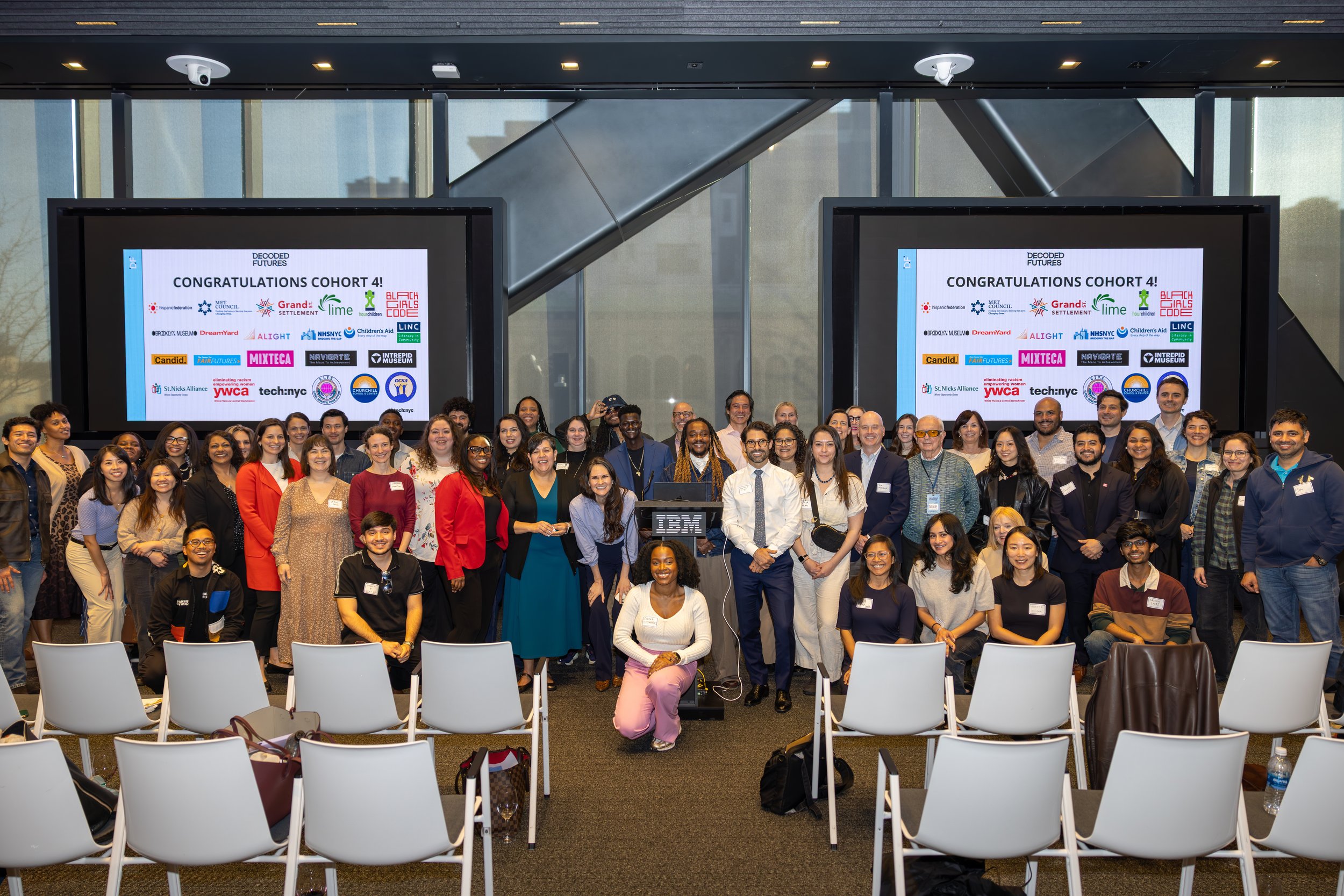
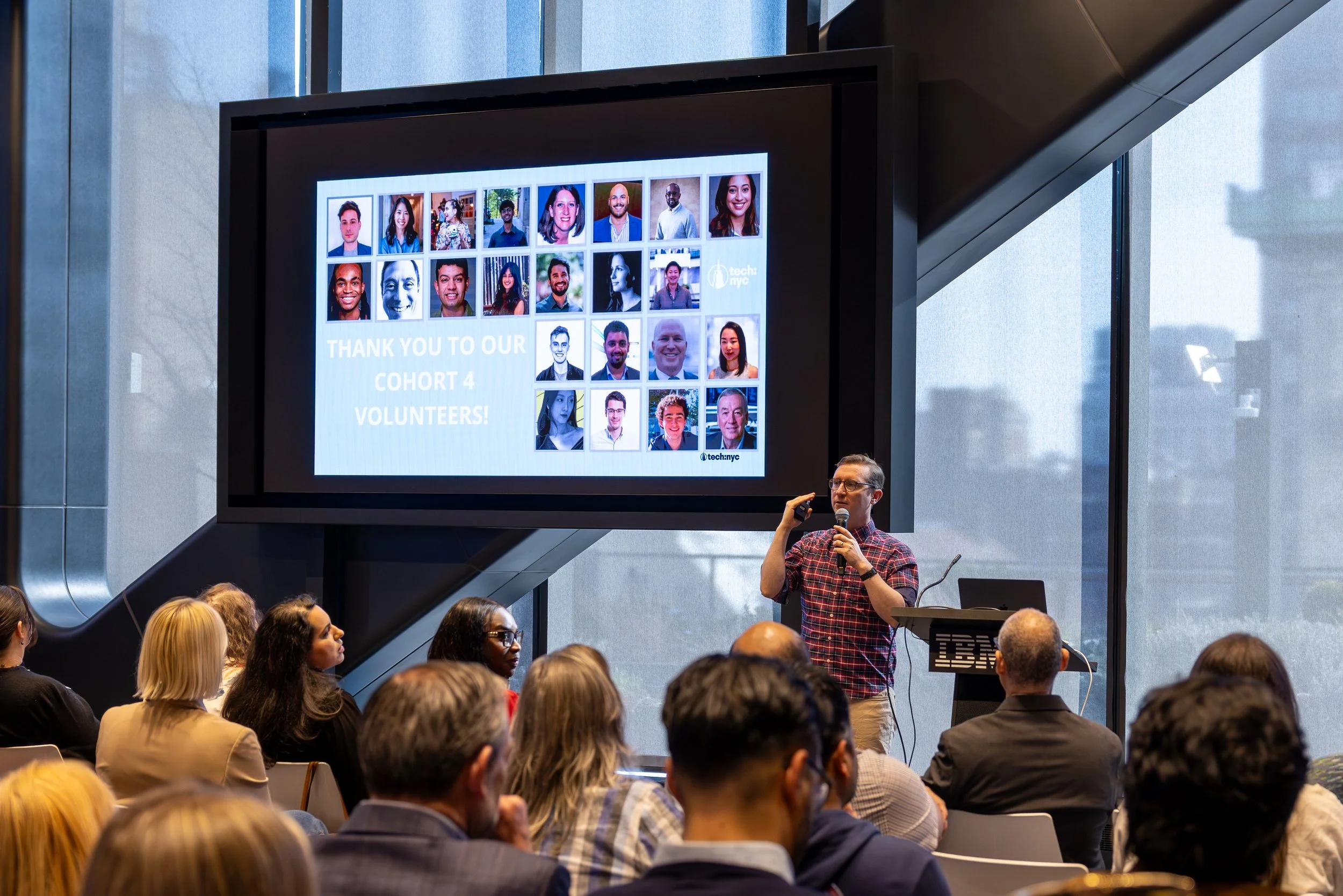
Last week, Tech:NYC brought together nonprofits, funders, partners, and supporters to celebrate the culmination of Decoded Futures Cohort 4. Generously hosted by IBM, the event marked the end of an intensive eight-week sprint in which 22 nonprofits worked with technologists from some of New York’s leading tech companies to explore how AI could help them work smarter, serve communities better, and scale their impact.
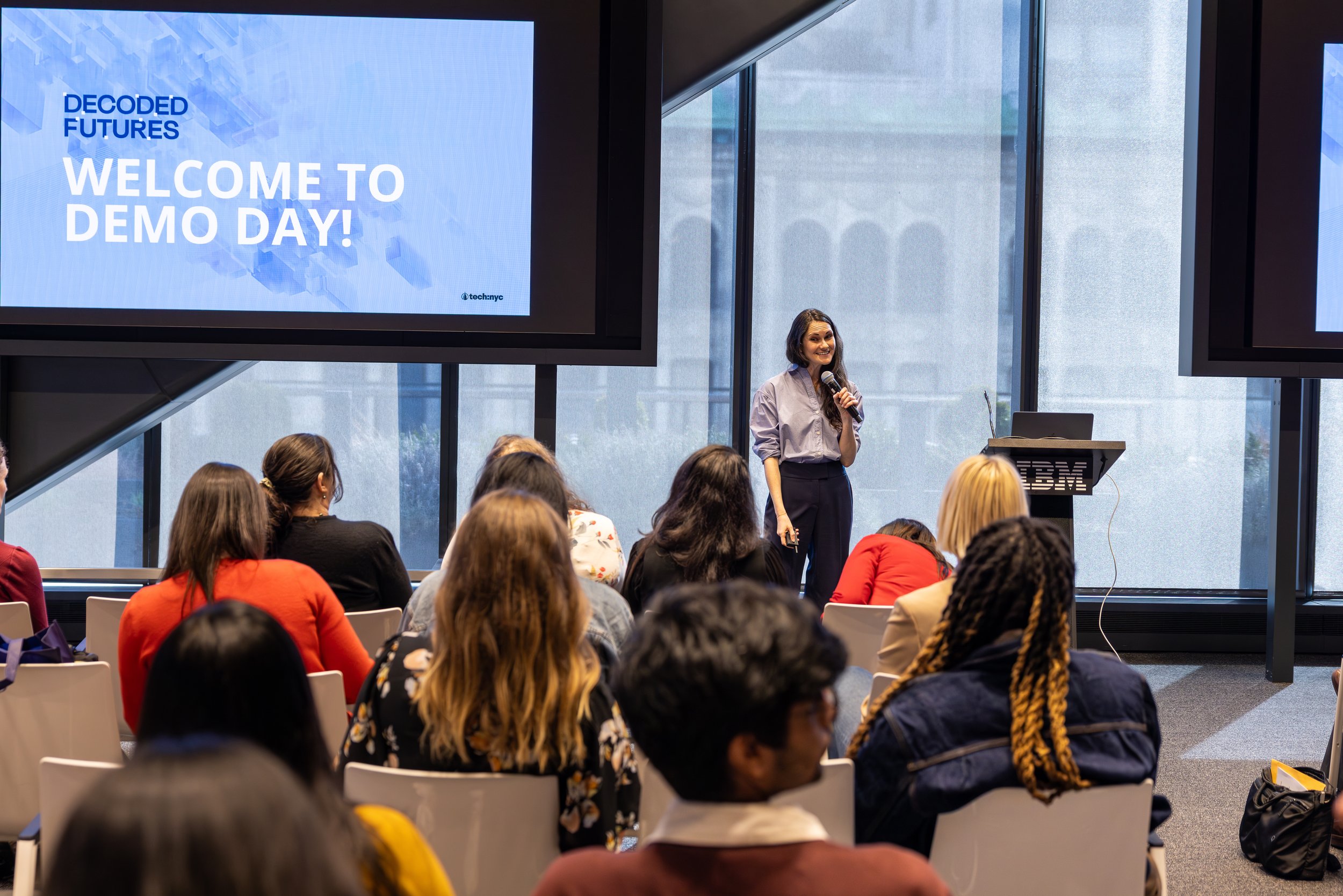
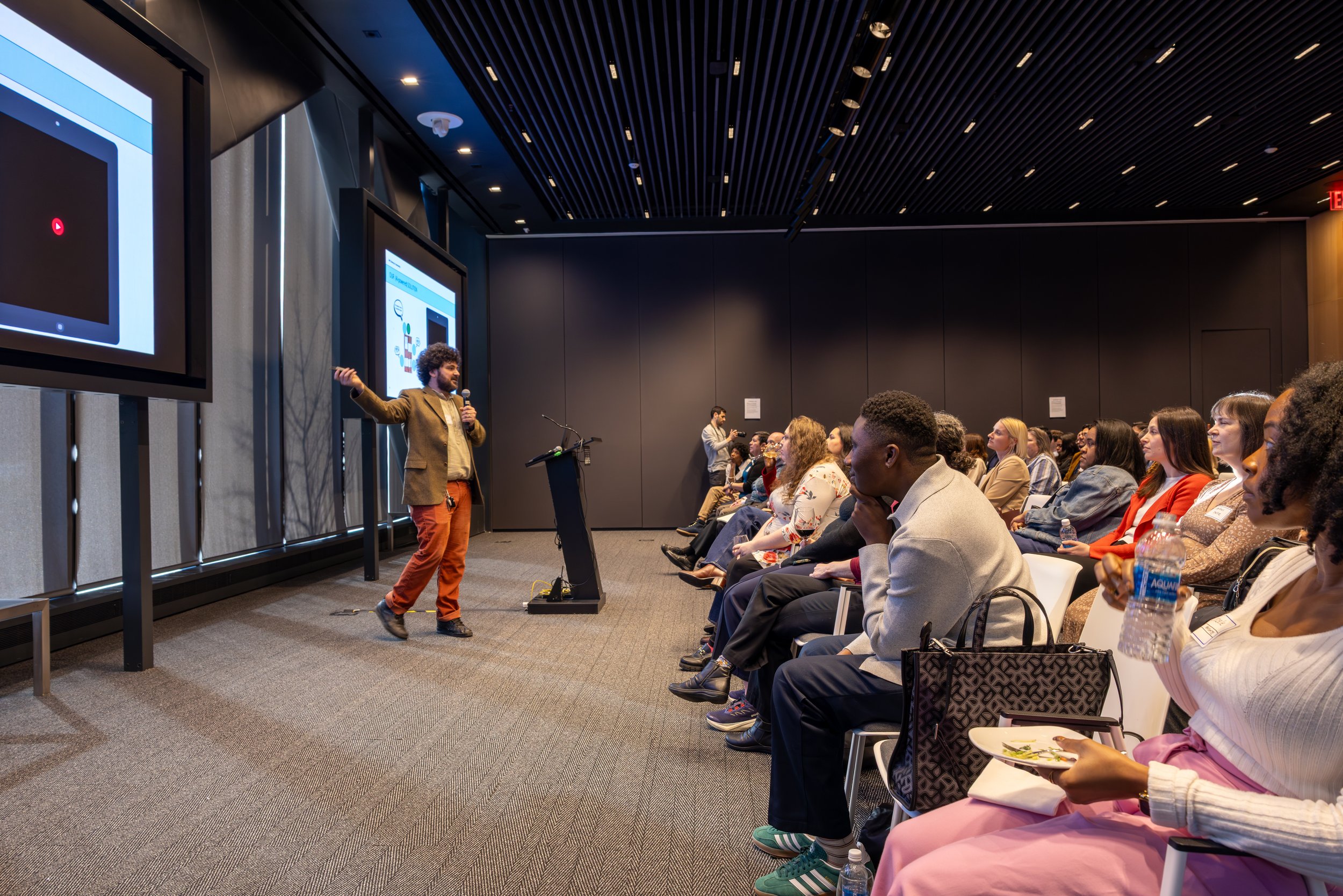
Nine organizations took the stage at Demo Day to share the AI solutions they built and the lessons they learned along the way. Decoded Futures exists to bridge the gap between the social sector sector and cutting-edge technologies, and that mission was on full display throughout the afternoon.
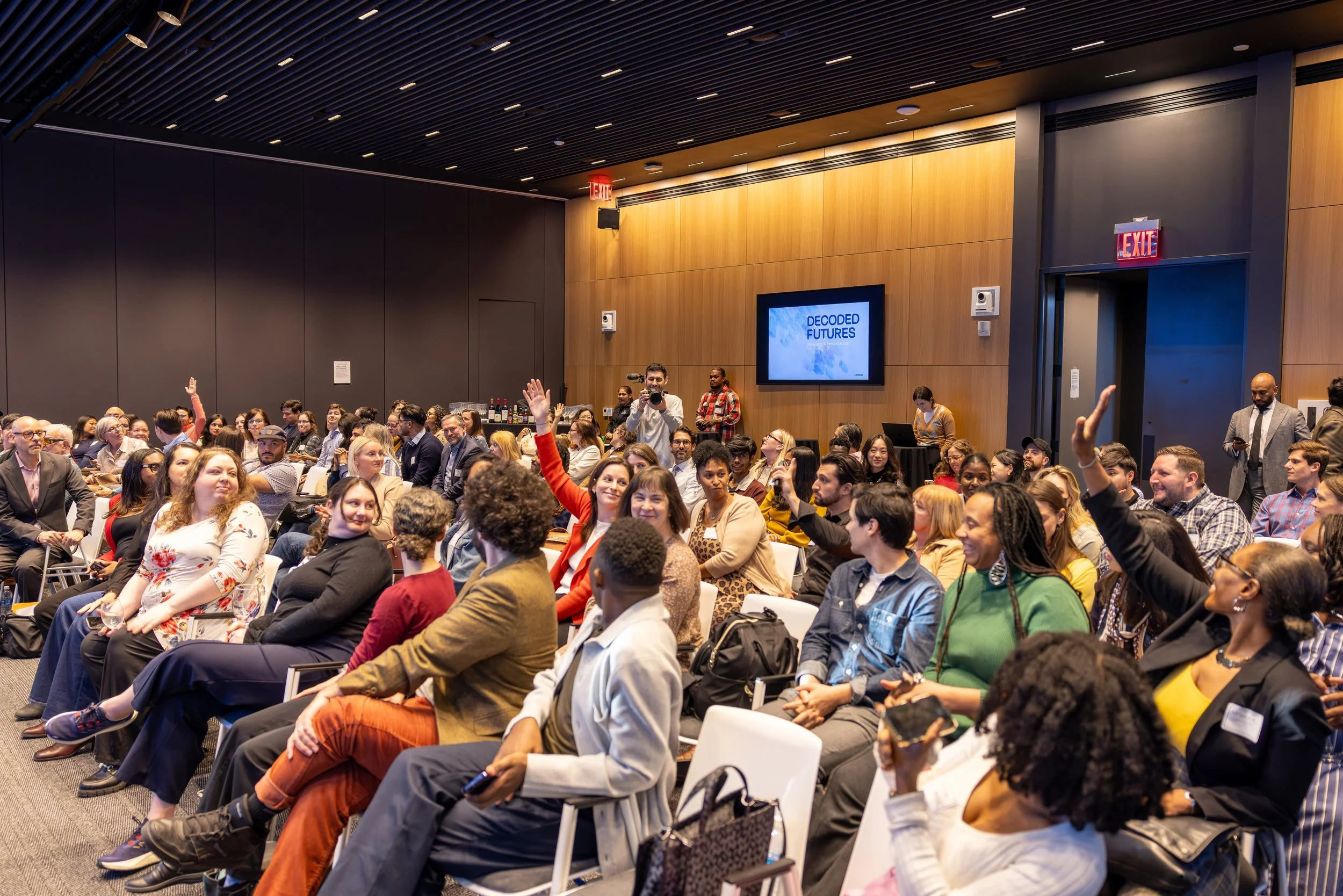
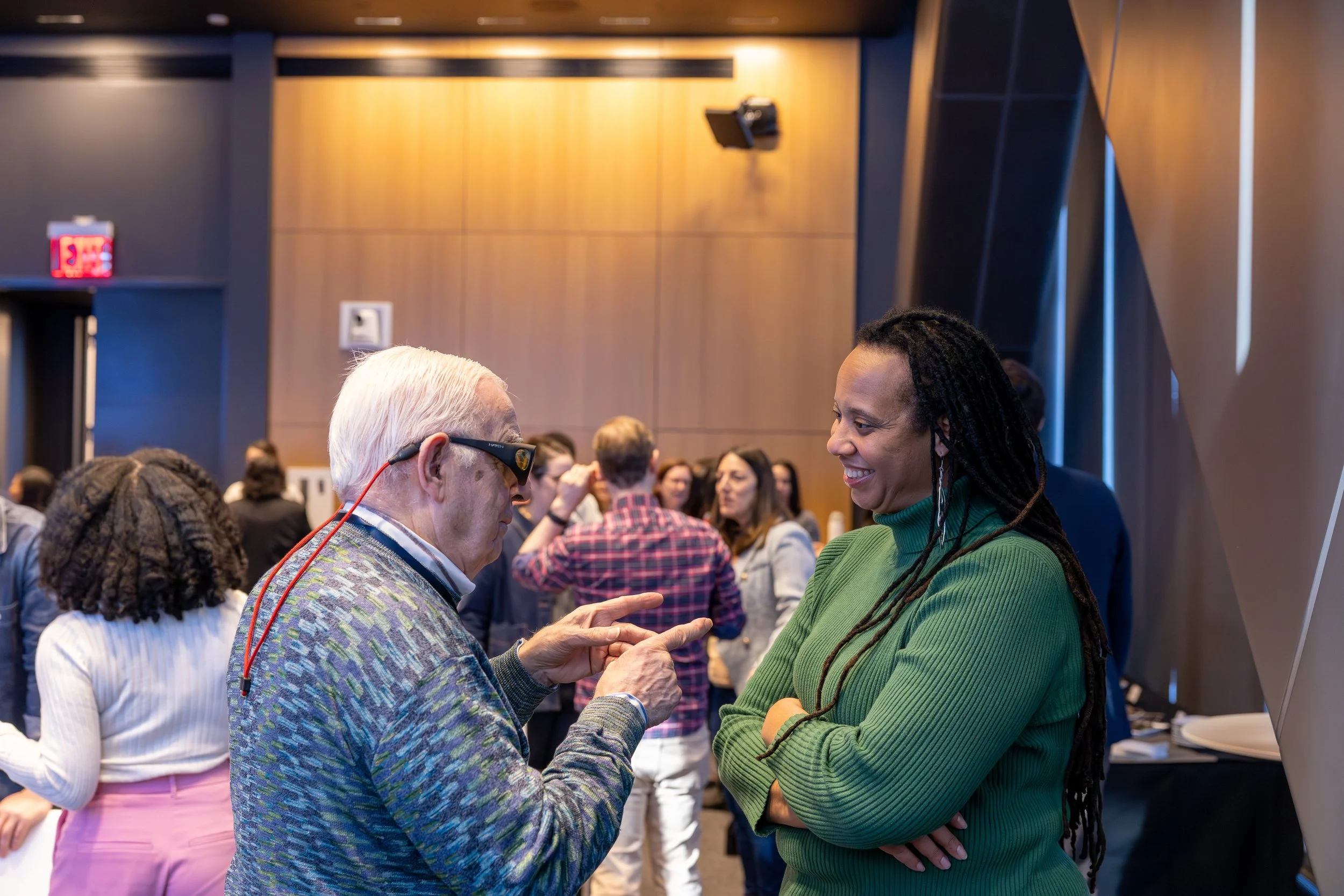
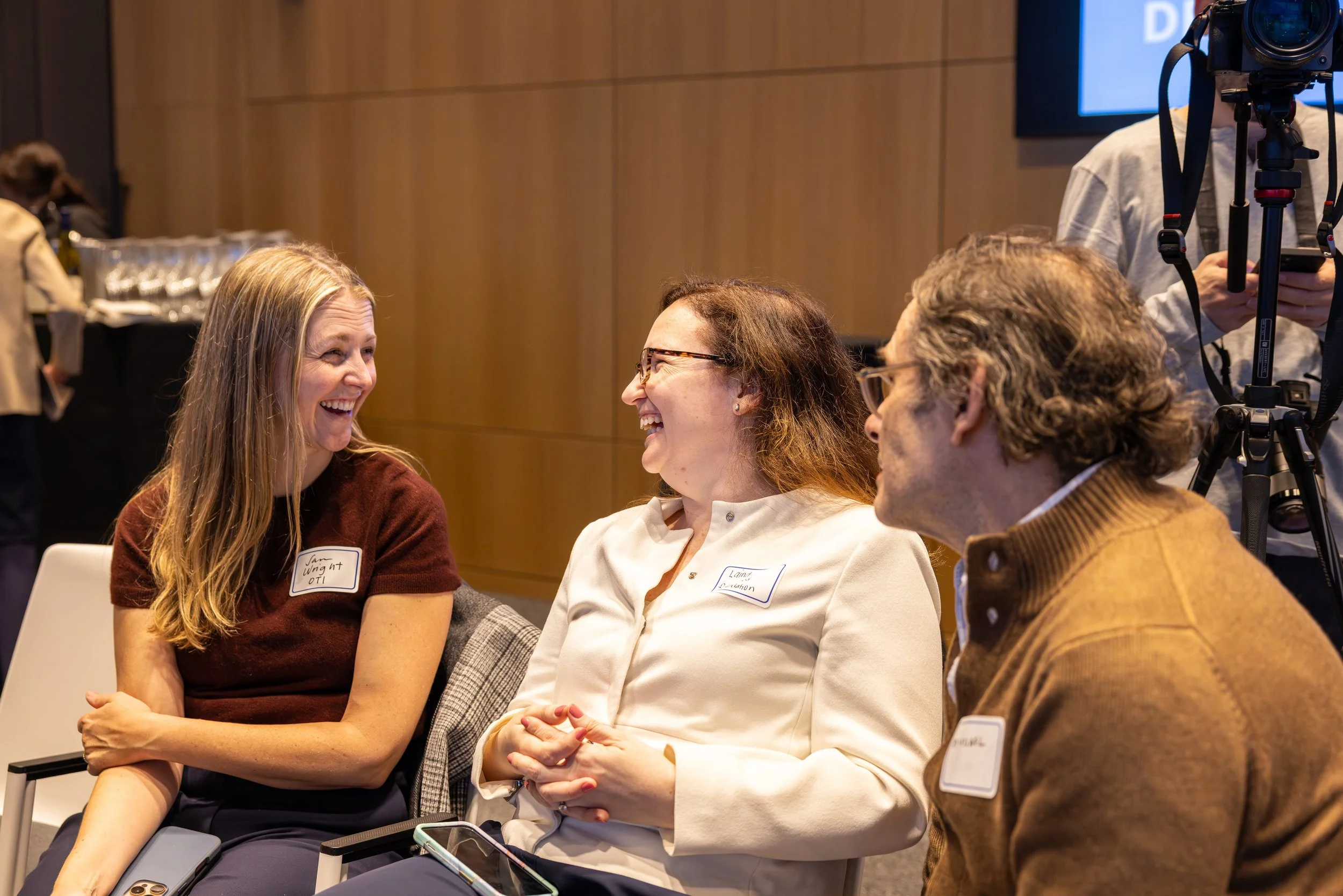
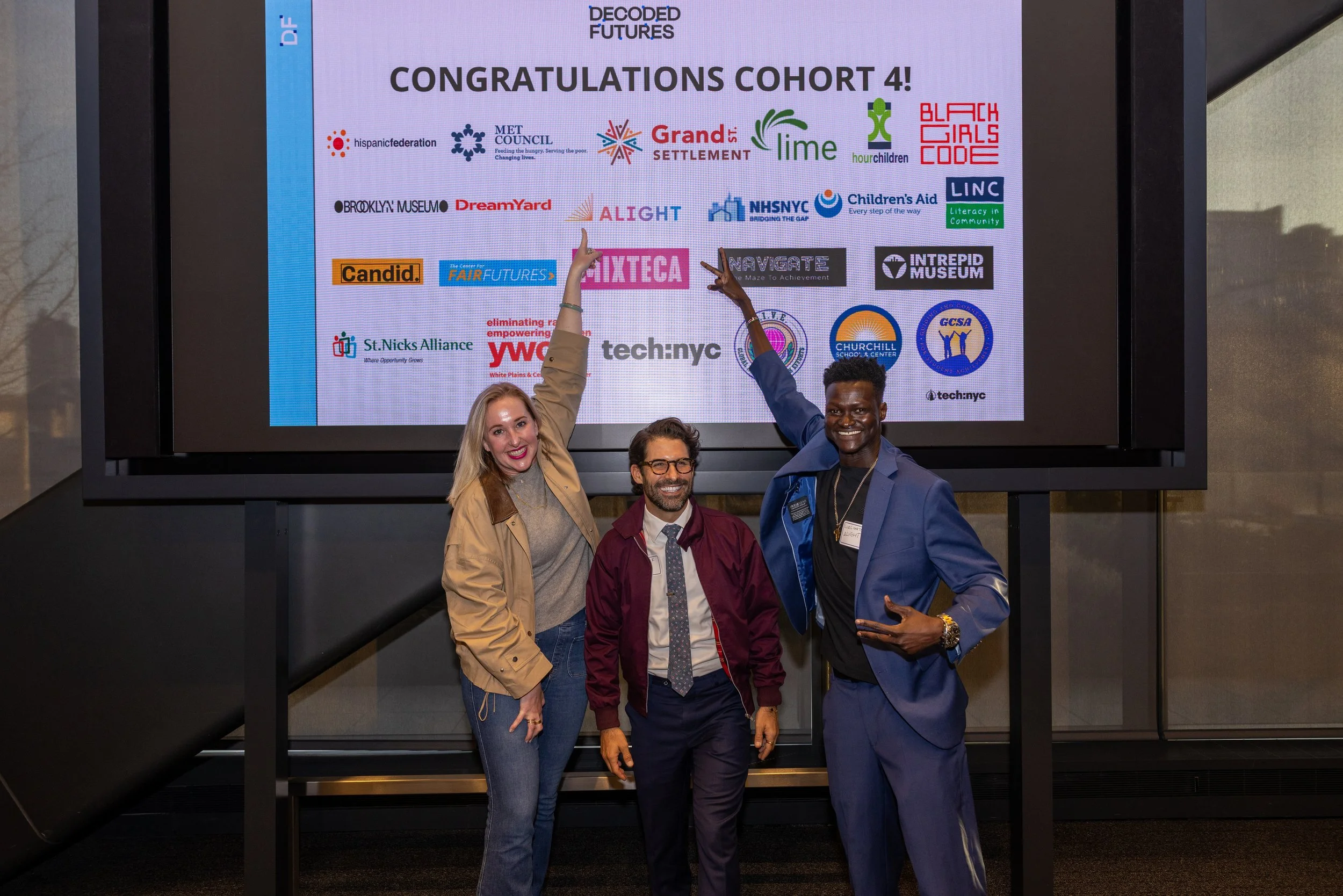
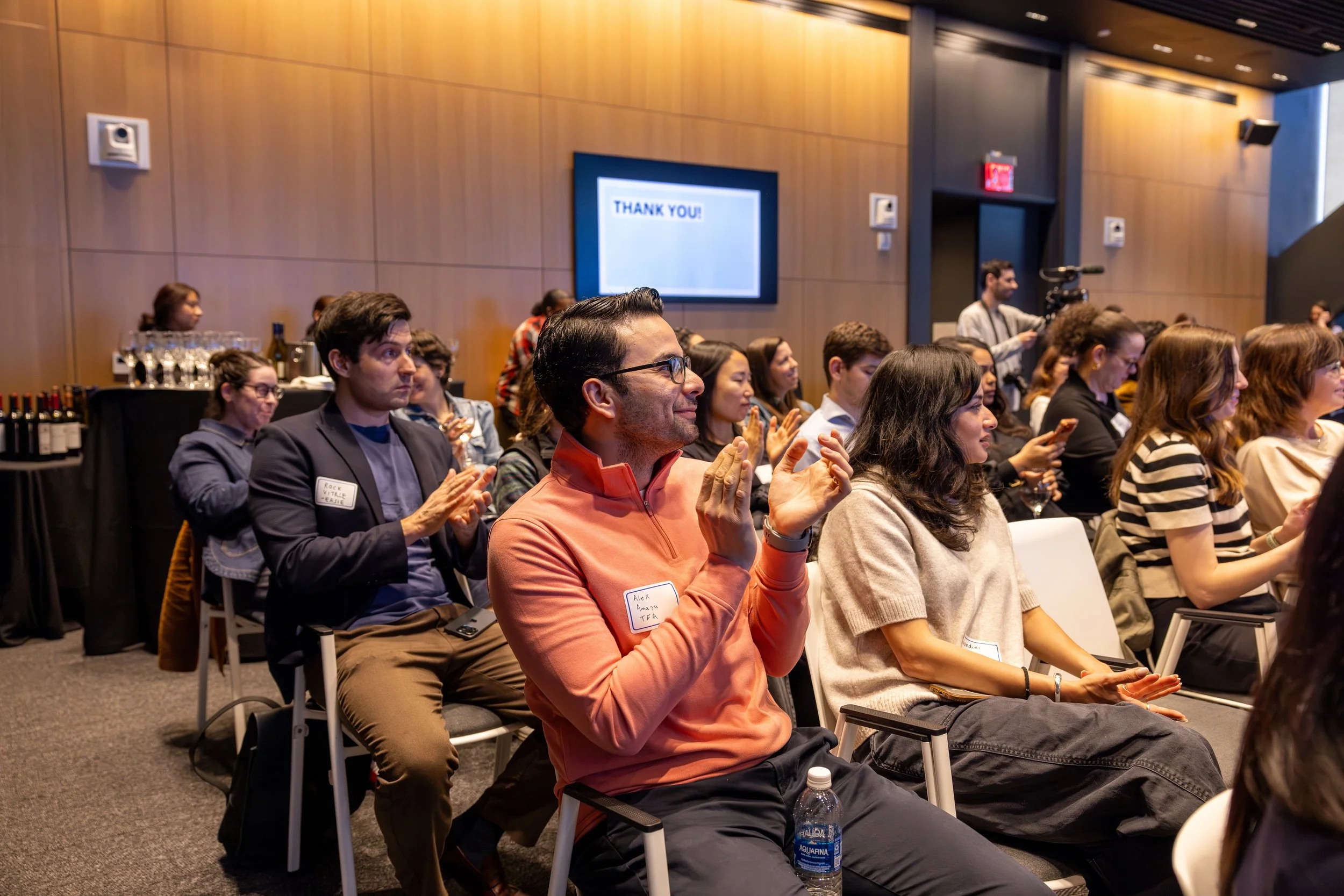
The cohort reflected the breadth and ambition of the social sector, spanning education, literacy, museums, social services, and community support. Together they demonstrated that AI’s potential in the social sector is broad, practical, and deeply mission-driven.
What stood out most on Demo Day was how grounded the projects were in real challenges. Cohort members designed practical tools designed to solve the everyday bottlenecks that limit nonprofit capacity:
The Governor’s Committee on Scholastic Achievement created a custom CRM to automate workflows and gain clearer insights from student data.
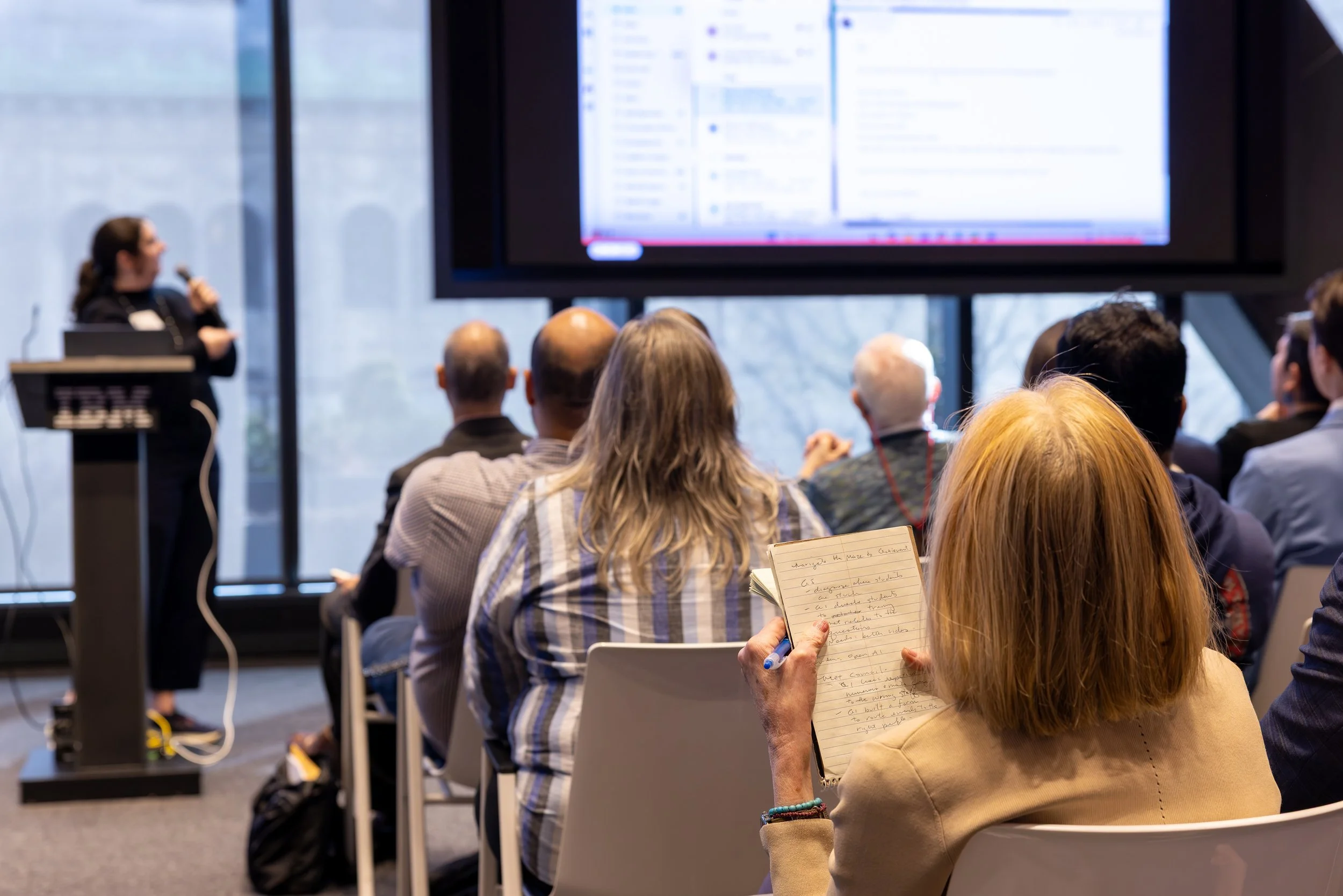
Met Council demonstrated an AI and automation workflow to route internal referrals faster and more accurately across a growing organization.
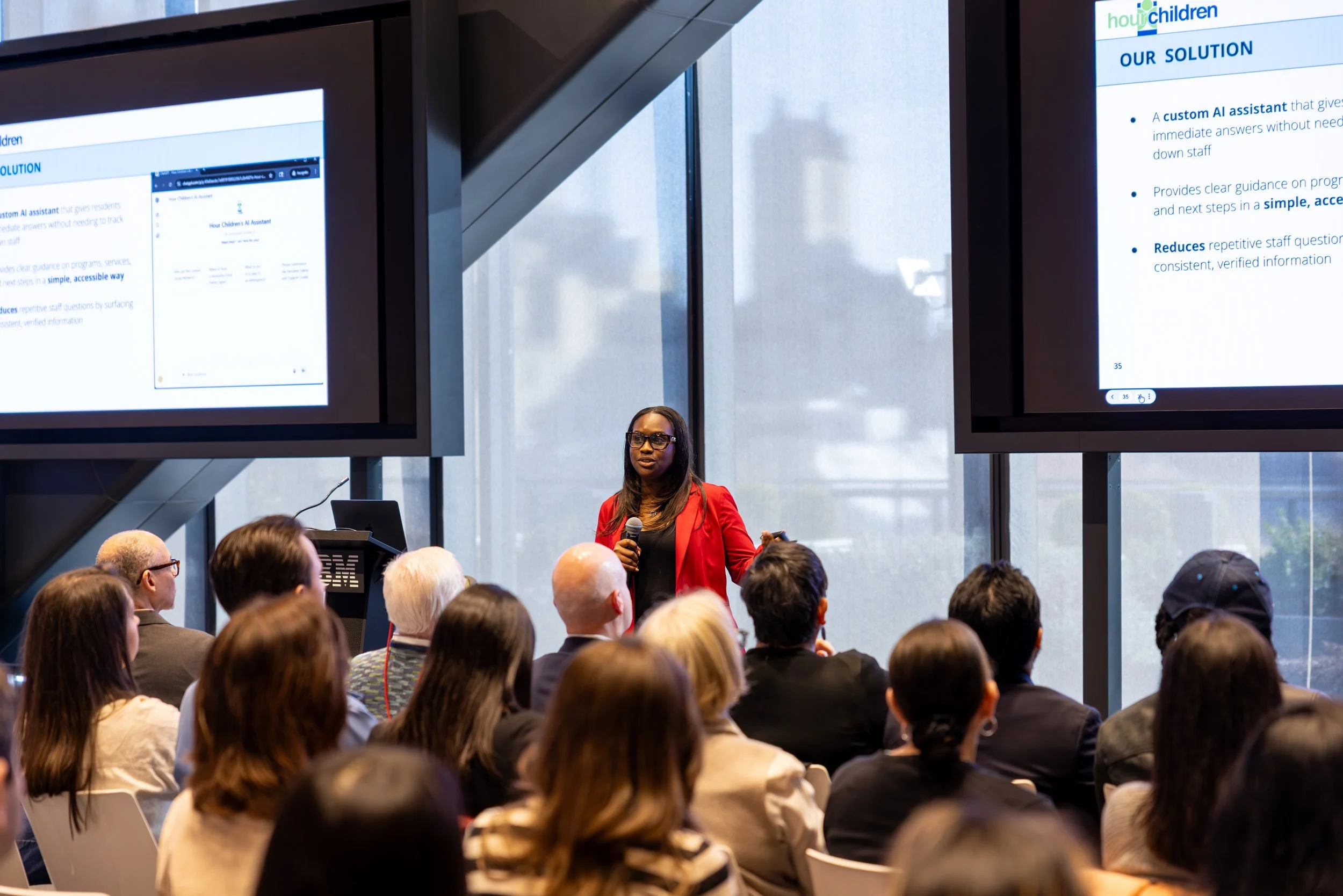
Hour Children built a custom AI assistant to help residents get timely answers about services and next steps, reducing staff burden and improving access to critical services.
Other demos highlighted the range of nonprofit innovation:
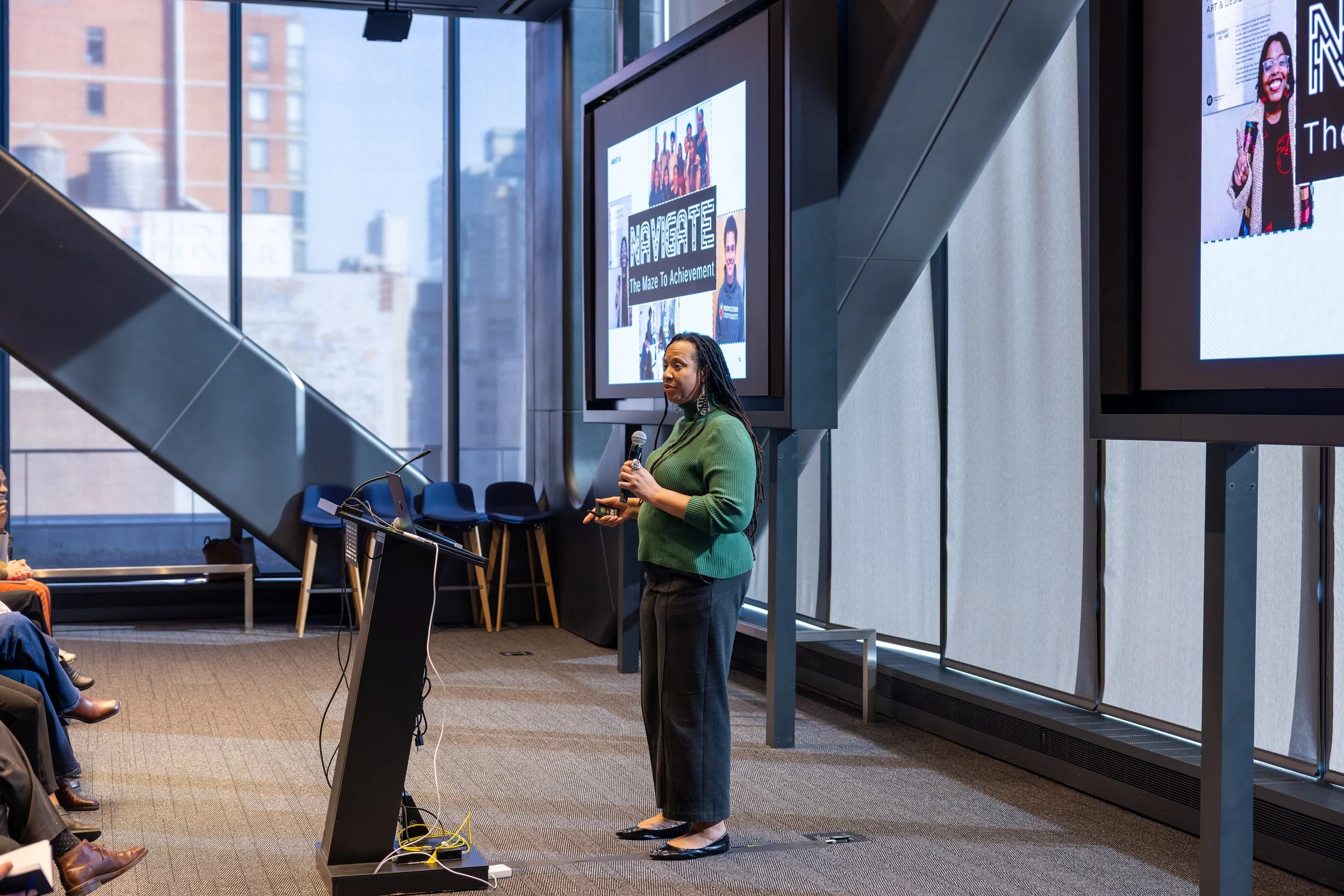
Navigate the Maze to Achievement presented an AI-powered math support platform built to help Black and Latino students persist through moments of frustration, with step-by-step support designed for correctness, confidence, and representation.
The Churchill School & Center built a private, open-source local LLM solution so educators could analyze student assessment data while safeguarding student privacy.
LINC NYC developed AI-powered tools to translate literacy data into accessible insights for families and educators.
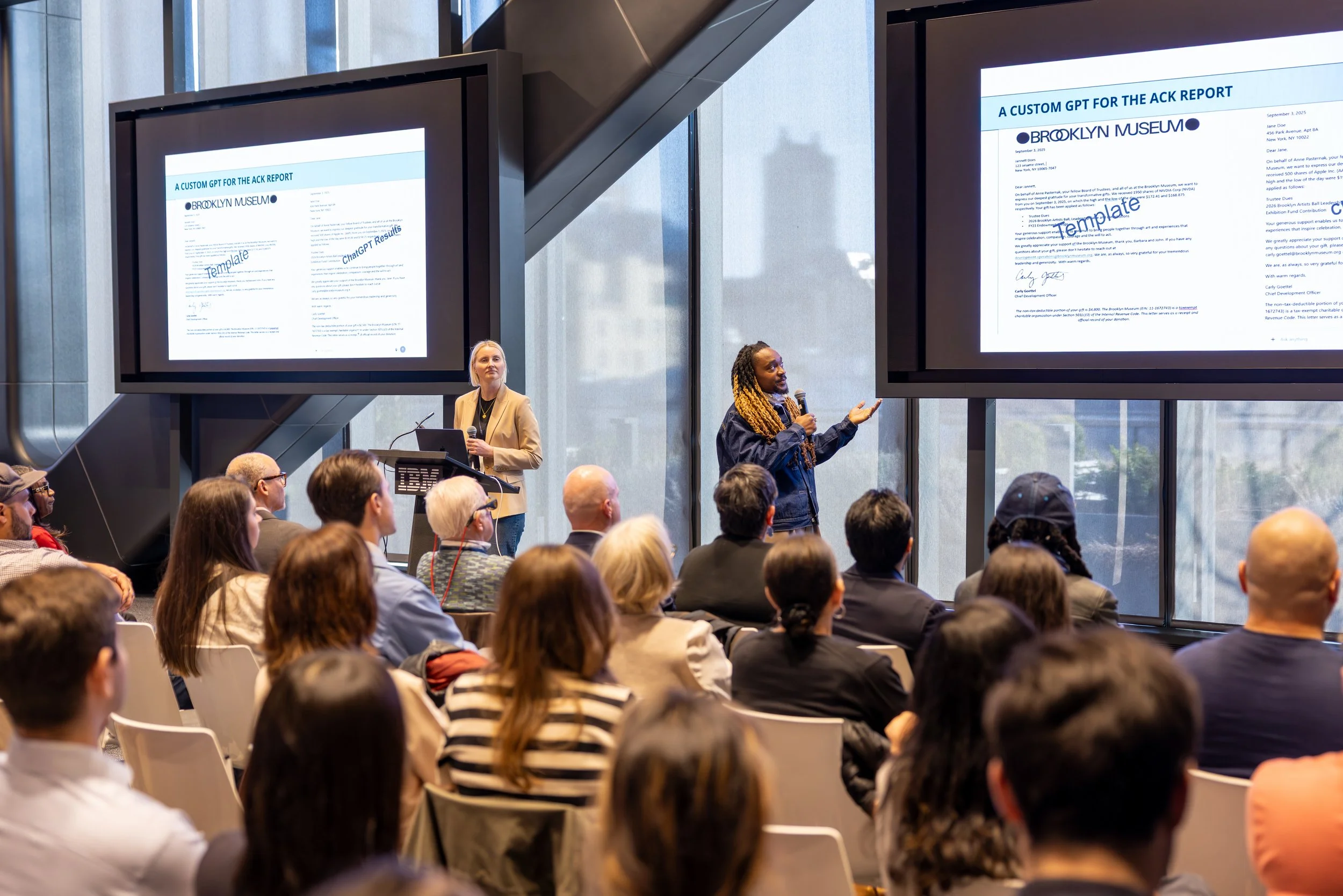
Brooklyn Museum streamlined development workflows through data with AI-powered automation.
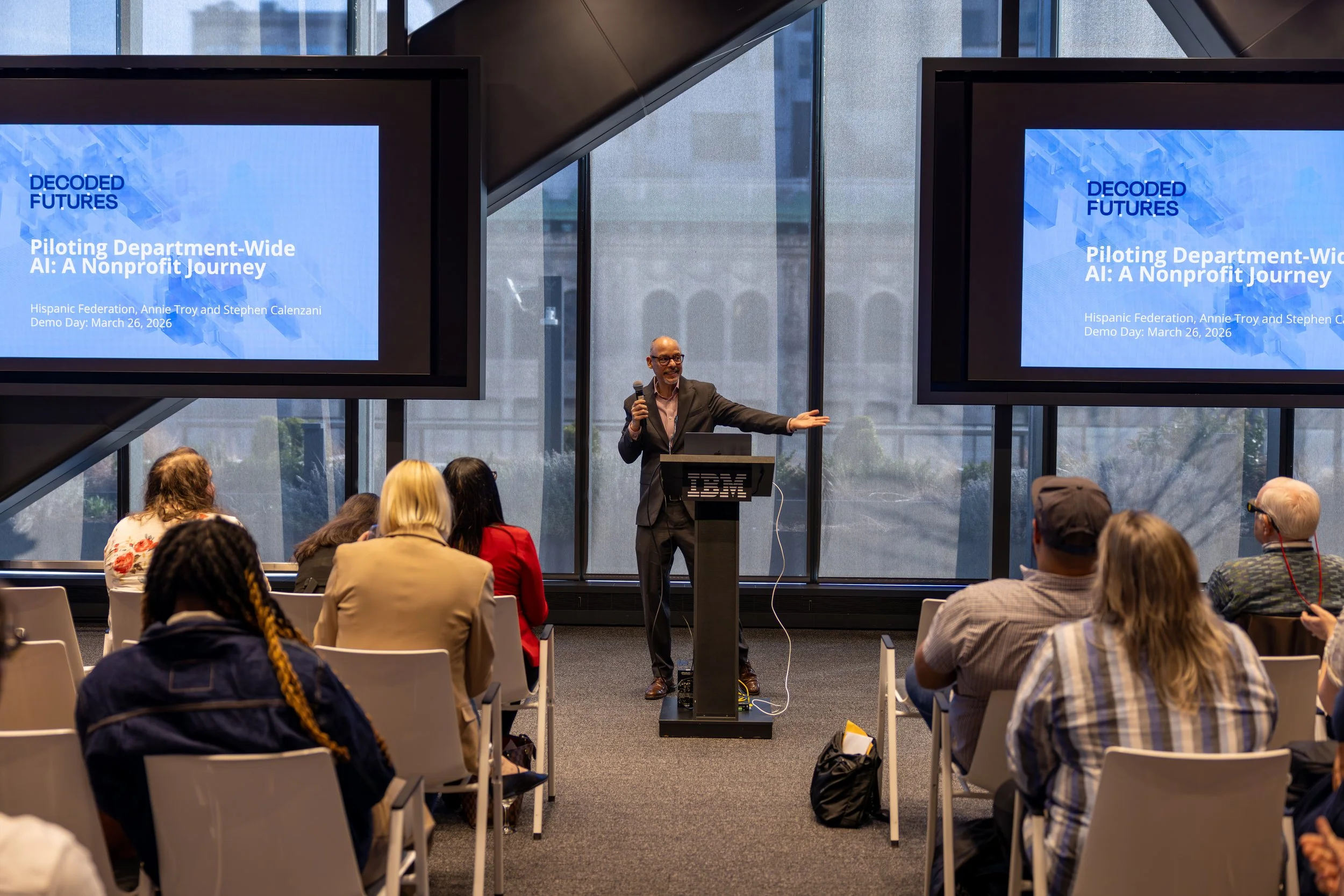
Hispanic Federation shared its bottom-up approach to piloting department-wide AI workflows.
The Intrepid Museum built a custom GPT to accelerate the analysis of decades of oral histories.
Across every project, a common theme emerged: successful AI adoption starts with a clear problem, close alignment with real workflows, and a willingness to iterate. Participants spoke candidly about what worked and what did not. They learned that accuracy builds trust, that clear and simple outputs drive usability, and that maintaining AI tools over time requires shared ownership and ongoing refinement.
The outcomes reinforced how Decoded Futures helps social sector leaders build confidence, community, and lasting capability.
Participants reported a 37-point jump in feeling connected to the people, tools, and resources they need to continue their AI journey.
97% said they plan to keep using AI workflows after the program, and 95% of all Decoded Futures alumni have continued using the AI framework.
Confidence in building AI workflows doubled over the course of the cohort.
One participant reflected, “This opportunity has helped transform the way our organization approaches its work.” Another shared, “I have developed more complex thinking around AI.”
We’re incredibly proud of our Cohort 4 alumni and the technologist volunteers who helped make this work possible. Together, they showed how AI serves as a powerful force multiplier for the social sector when it is grounded in community needs and paired with the right support.
Special thanks always to our funders: Google.org, Robin Hood, Salesforce, Altman Foundation, and AWS.
Photos credit: Bashir Abdulkareem