

Grid Fellowship: Inside the Systems That Keep New York Moving
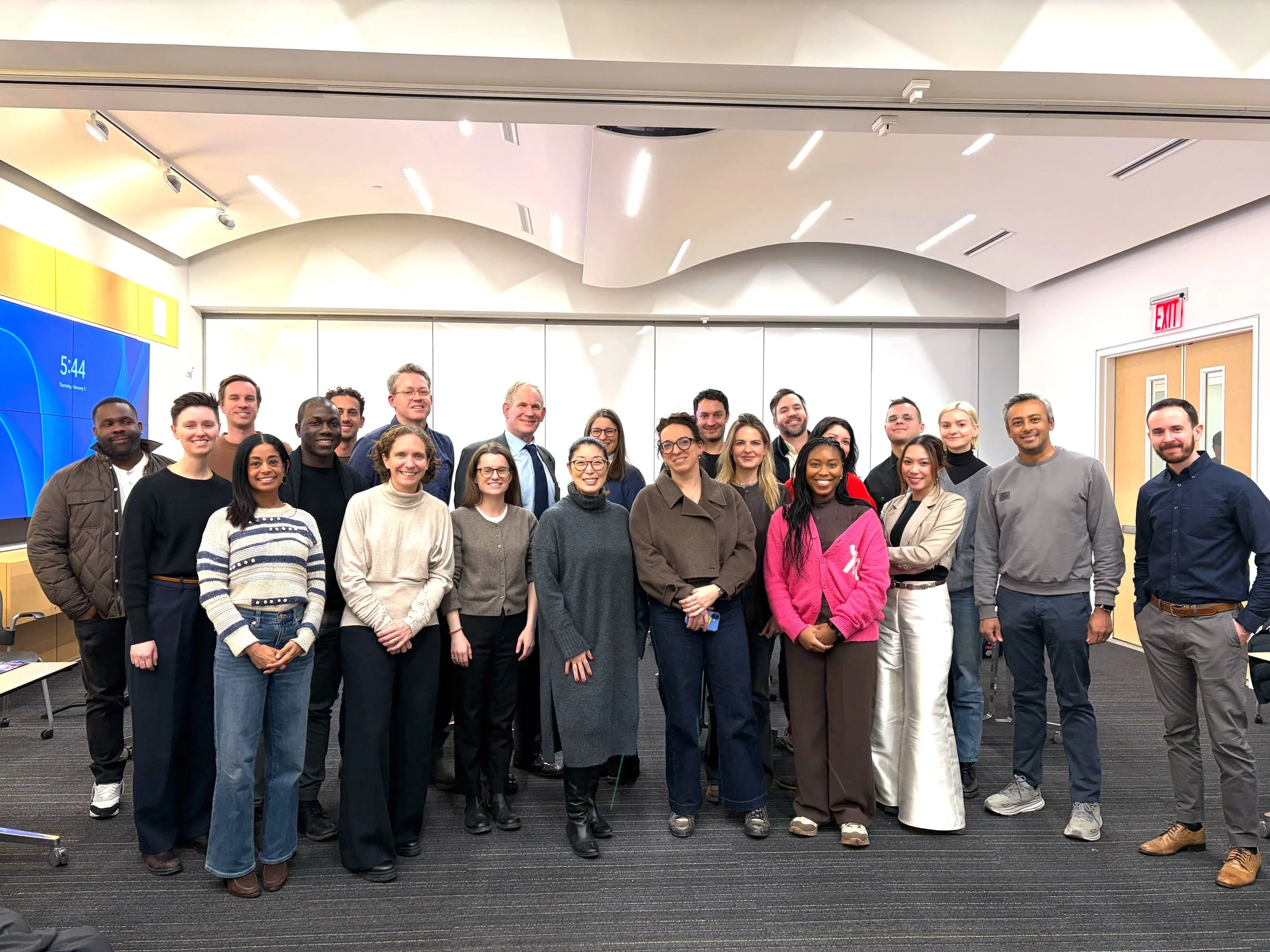
As part of the Grid Fellowship, Tech:NYC’s nine-month immersive civic leadership program, fellows step beyond boardrooms to understand firsthand the systems that make New York run. Launched in September 2025, the Fellowship prepares senior leaders — founders, operators, and C-suite executives — to engage deeply with the infrastructure, public institutions, and policy environments shaping life and New Yorkers across the five boroughs.
In February, the cohort gathered for a full-scale exploration of the physical, political, and institutional systems that keep one of the world’s largest cities moving. From underground subway lines to bustling commercial corridors, the day showed an urban truth: transportation in NYC involves power, public space, governance, equity, and execution.
A Full Day in Motion: Union Square to Grand Central
Fellows met *the* leaders shaping transportation policy and practice in one of the world’s most diverse cities:
Janno Lieber, MTA Chair & CEO, spoke about the challenges and opportunities of modernizing one of the largest transit agencies in the world.
Will Fisher, Head of Digital at MTA Grand Madison and the force behind the TrainTime app (among other updates), offered a tech-infused perspective on rider experience and scheduling innovation.
Polly Trottenberg, former U.S. Deputy Secretary of Transportation and now Dean of NYU Wagner Graduate School of Public Service, shared lessons from contentious but transformative reforms like the 14th Street Busway.
Sally Burns of the Union Square Partnership connected transportation decisions to public space, commerce, and urban life.
This was a day about trains, buses, and what powers them. At Grand Central Madison, fellows got a rare behind-the-scenes look at one of the city’s vital transit hubs. They stood inside the MTA control room, witnessing the real-time orchestration of trains, signals, and service across millions of weekday riders’ journeys. A walking tour of 14th Street offered a street-level view of multimodal design and public space in action.
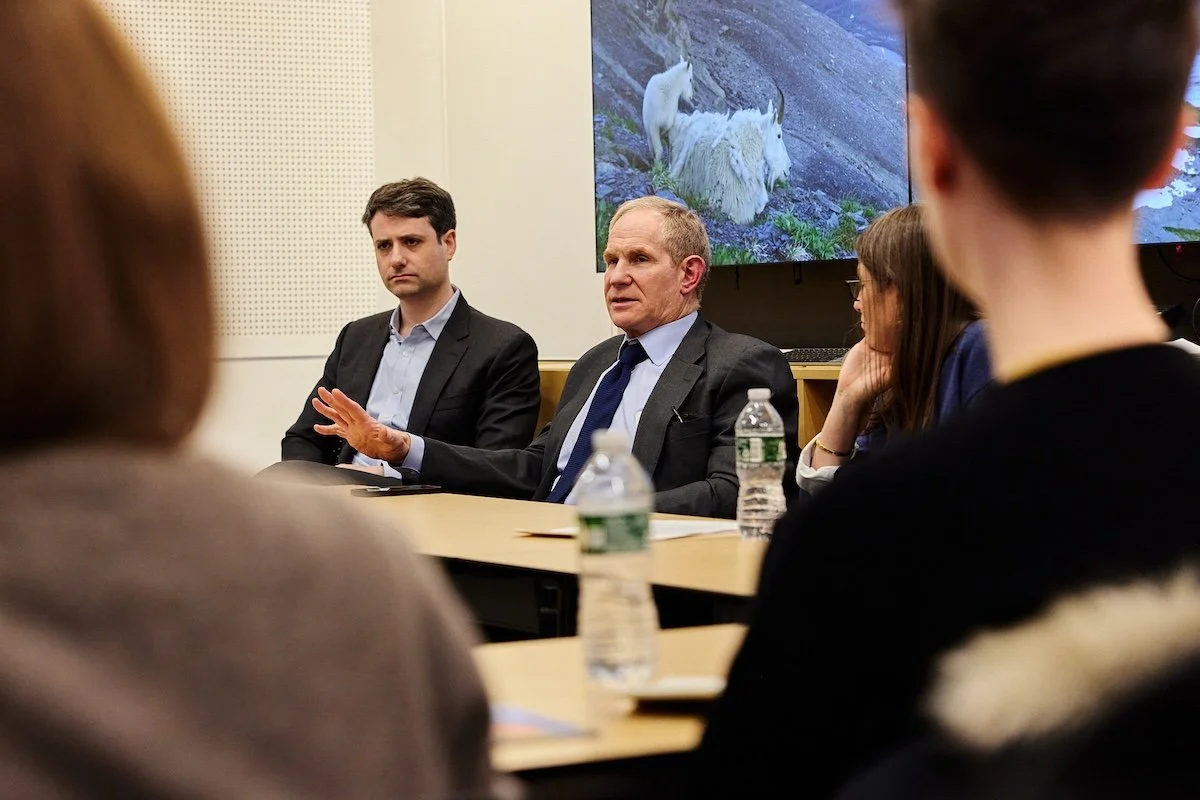
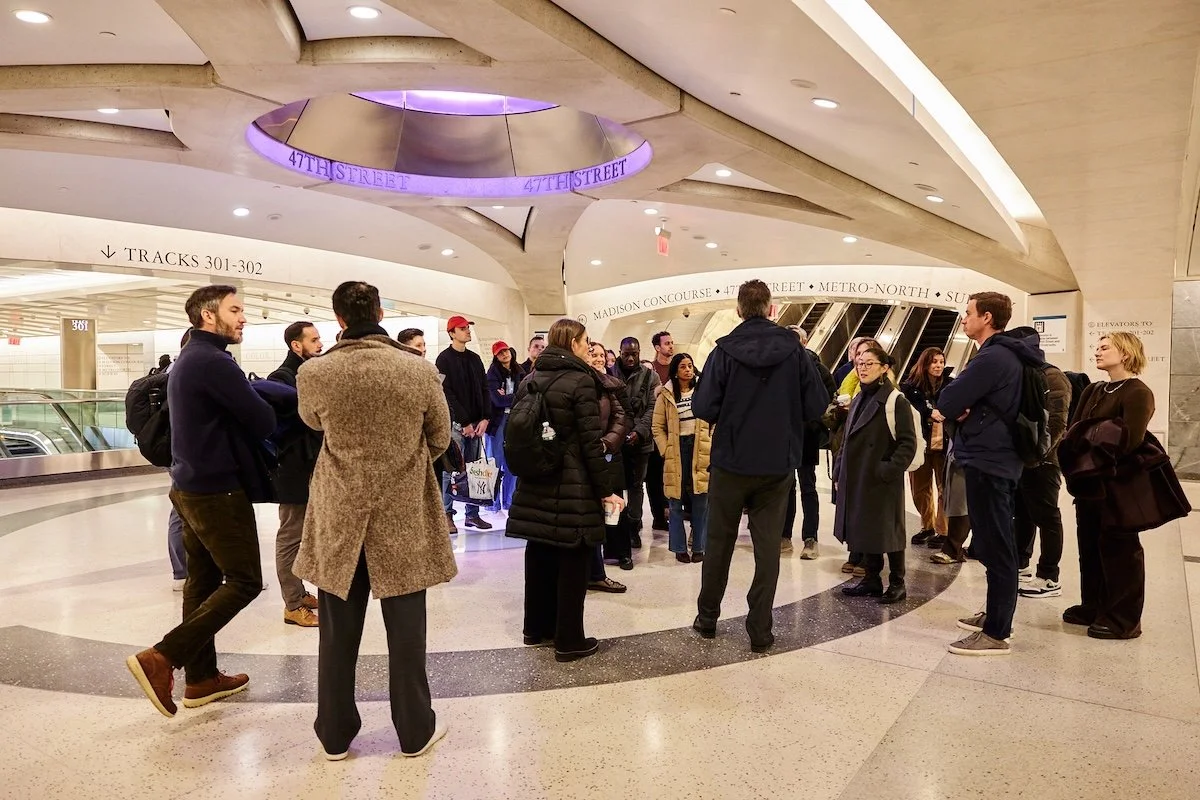
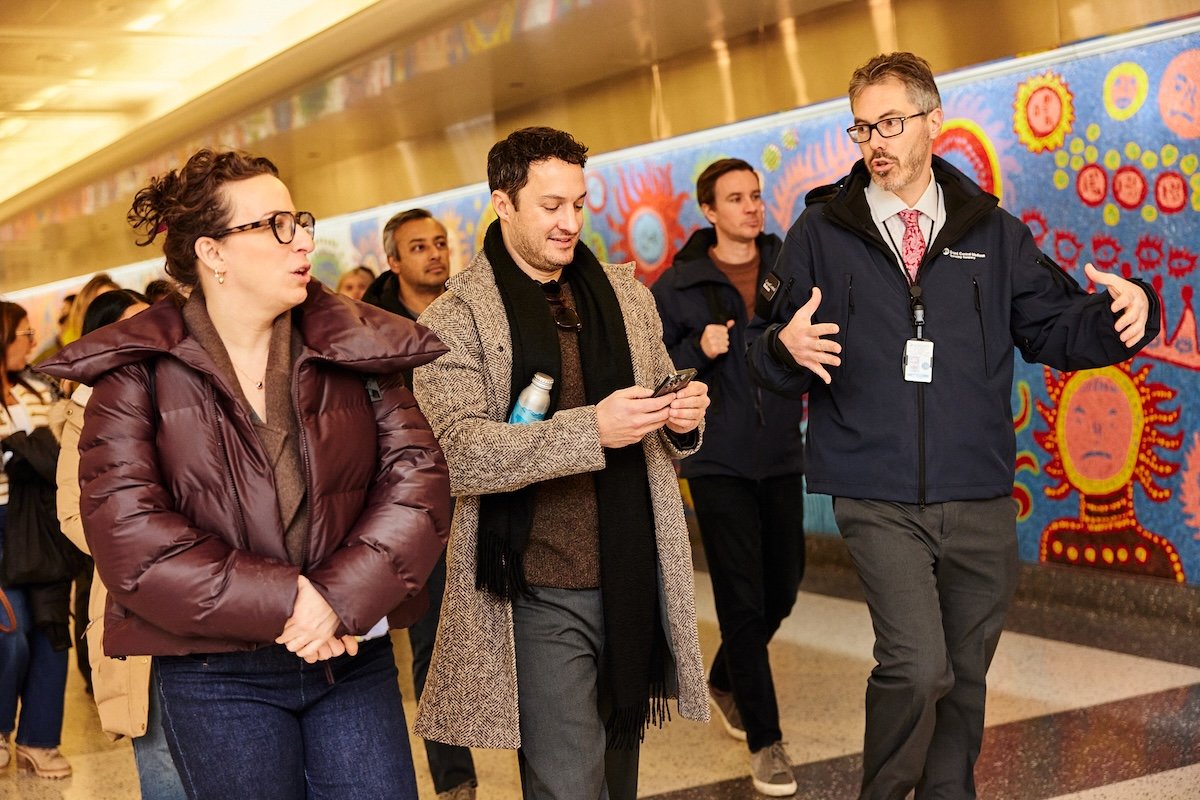
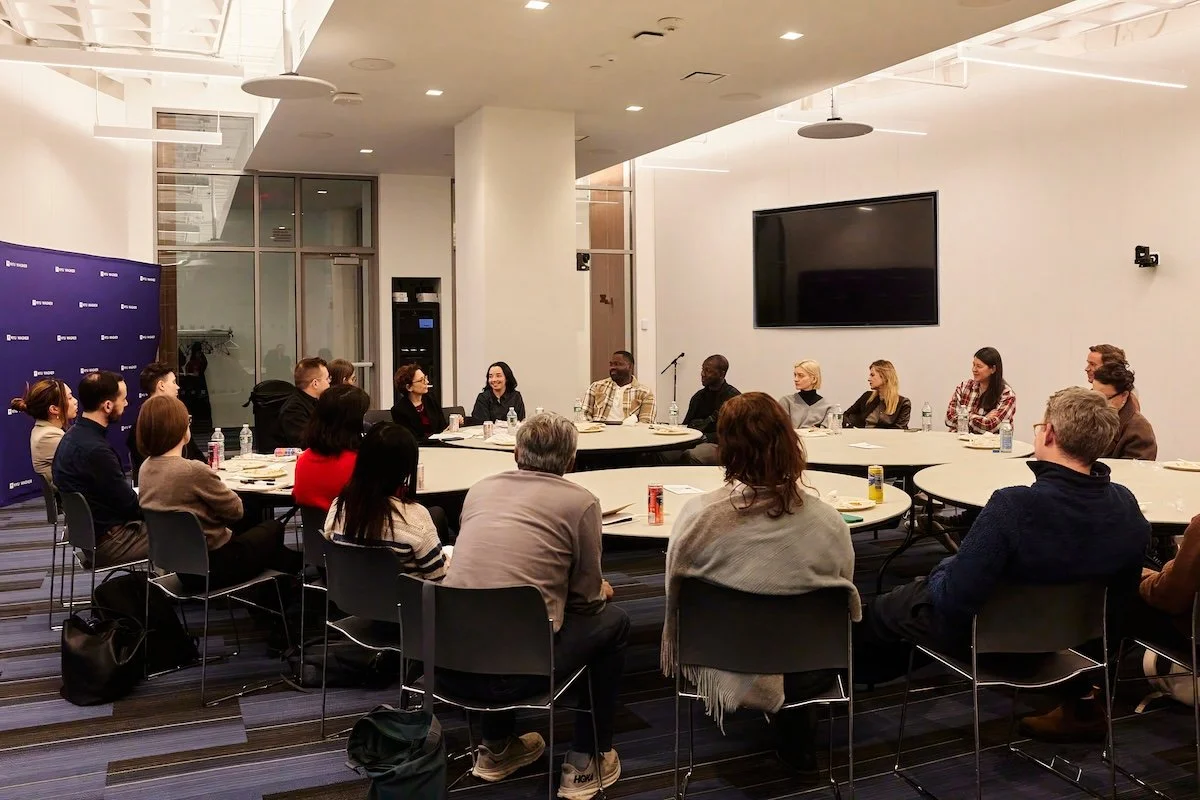
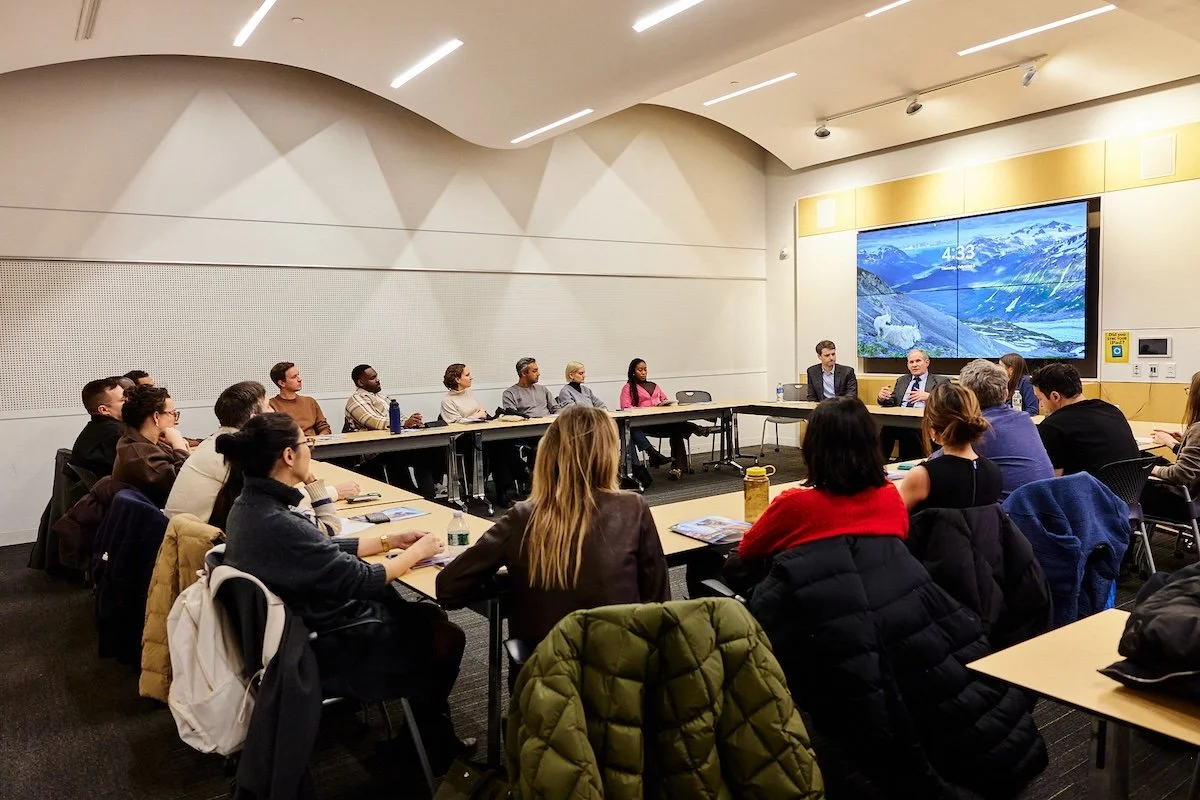
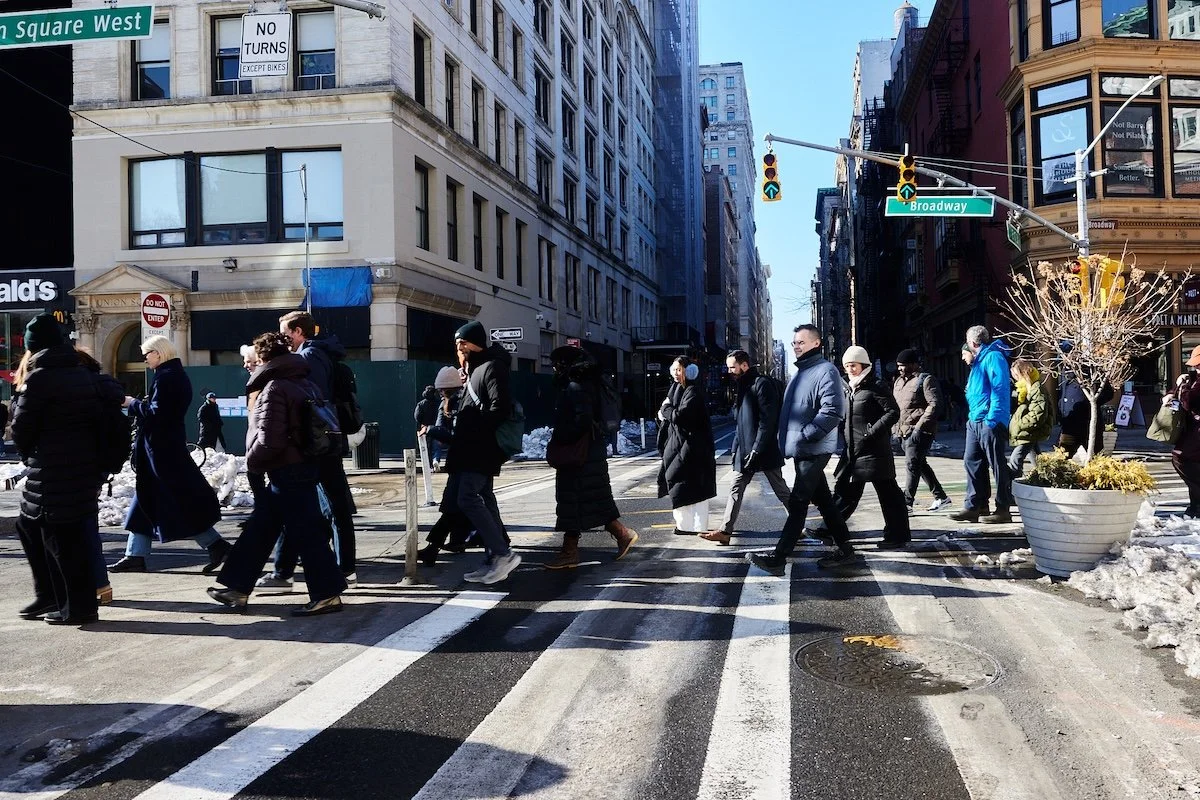
Photos credit: Elvin Abril
Transportation Is a Constant Negotiation Over Space
One of the clearest throughlines of the day was understanding that New York’s public space is one of its most scarce and contested resources, where land use, economics, and daily experience collide. Streets must accommodate buses, trucks, construction, bicycles, pedestrians, outdoor dining, vendors, and cars — often all at once. What might look like a simple lane closure or signal change is, in fact, a negotiation among competing uses and interests.
Dean Trottenberg walked the fellows through the “valley of death” for the public sector — the period just before a controversial policy goes live when public opinion can dip. From the 14th Street Busway to congestion pricing, initiatives frequently face lawsuits, backlash from merchants, fears of traffic spillover, and dire predictions. But if leaders hold steady and a policy delivers, public acceptance can rebound quickly and tangible gains emerge. For example, the 14th Street Busway resulted in:
~24% faster bus speeds
Redistributed traffic patterns
Strengthened local retail
New possibilities for public space design
The MTA: A Legacy Institution Adapting to the Future
Fellows learned that the MTA is one of the largest transit systems in the world, with roughly 72,000 employees, ~650 miles of track, and thousands of open roles at any given time. Grand Central Madison, with roomy corridors and state-of-the-art infrastructure, exists 13 stories below the city, sitting atop rock.
Historically, the MTA operated as a holding company of semi-autonomous entities — NYC Transit, Long Island Rail Road, Metro-North, and Bridges & Tunnels — each with its own practices and priorities. Today, consolidation and internal strategy teams are helping unlock new efficiencies and recurring savings while expanding reliability and service in the post-COVID era. As its leaders emphasized, innovation within government must always prioritize reliability and trust above novelty.
The Takeaways on Transportation
The Grid Fellowship transportation excursion was a lesson in how policy, politics, and physical systems intersect in NYC. Fellows saw:
How city and state authorities coordinate and sometimes clash
How crisis moments create opportunities for reform
Why political courage matters when implementing change
That design choices reallocate power across neighborhoods
In the words of one speaker, changing New York requires technical competence, political courage, institutional reform, and relentless attention to execution. And the biggest takeaway is innovating in NYC, as always, is an honor.